TL;DR:
- Backflow, caused by backsiphonage or backpressure, allows contaminated water to reverse into drinking supplies through cross-connections. New Jersey mandates annual testing of backflow prevention devices, with proper assembly types selected based on hazard levels to ensure compliance. Regular maintenance, timely repairs, and working with certified professionals are essential to prevent contamination risks and meet regulatory requirements.
If you manage property in New Jersey, your water line has at least one cross-connection that could silently let contaminated water back into the drinking supply. This reverse water flow guide covers exactly what causes that to happen, which prevention devices the state requires, and what you need to do to stay compliant. The proper industry term for this problem is backflow, and understanding both terms matters because your water utility may use either one when they send you a compliance notice.
Key takeaways
| Point | Details |
|---|---|
| Backflow is the real term | Reverse water flow and backflow describe the same hazard. Your utility uses “backflow” in official notices. |
| Two distinct causes exist | Backsiphonage and backpressure require different prevention strategies and device types. |
| NJ requires annual testing | Certified testers must submit inspection reports within 7 days or you risk compliance violations. |
| Device type must match hazard level | Installing the wrong assembly for your property type will not satisfy NJ code requirements. |
| Early detection saves money | Catching valve wear or pressure problems in routine testing prevents costly water line remediation later. |
Your reverse water flow guide: what backflow actually is
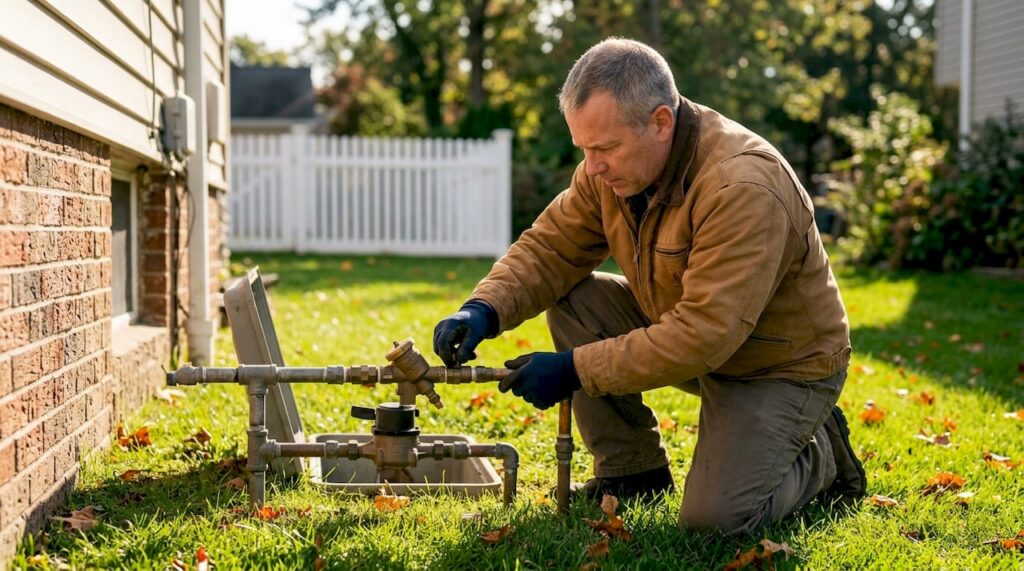
Most property owners assume water in a plumbing system only moves in one direction. That assumption is wrong, and it creates real risk. Backflow occurs when contaminated water reverses through cross-connections and re-enters the potable water distribution system. The two mechanisms that cause it are backsiphonage and backpressure, and they behave very differently.
Backsiphonage happens when pressure in the public water main suddenly drops, creating a vacuum effect that pulls water backward through your plumbing. Think of it like sipping from a straw and then releasing it. A water main break or heavy firefighting activity nearby can trigger this in seconds. Backpressure is different. It occurs when pressure on the non-potable side of a cross-connection exceeds the incoming water pressure, physically pushing contaminated water upstream. Boiler systems, irrigation pumps, and industrial equipment are common sources.
Cross-connections are the physical links that make backflow possible. They are more common than most people realize:
- Garden hoses submerged in buckets, pools, or chemical tanks
- Irrigation system heads below grade that can draw soil water back
- Faucets positioned too low inside sinks or utility basins
- Improperly configured irrigation systems and fire suppression lines
For New Jersey property owners, the risk is not theoretical. Older residential neighborhoods, mixed-use commercial buildings, and properties with irrigation or fire suppression systems all carry meaningful cross-connection exposure.
Pro Tip: If your property has an irrigation system, an in-ground pool, or a boiler, you almost certainly have a cross-connection that requires a tested backflow prevention assembly under NJ regulations.
Approved prevention assemblies and NJ compliance
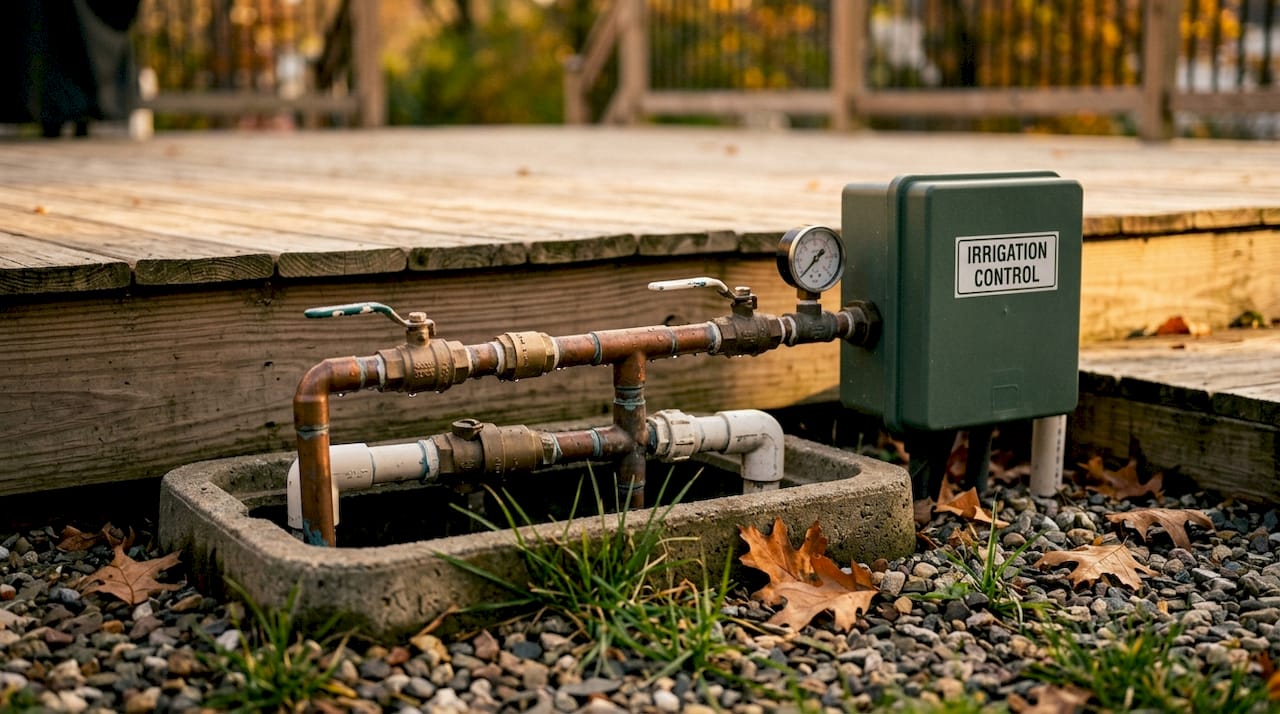
The central strategy is stopping reverse flow at the cross-connection itself using a tested and code-compliant backflow prevention assembly. New Jersey recognizes several device types, and the right one for your property depends on the hazard level your cross-connections present.
Here is how the main assemblies compare:
| Assembly type | How it works | Best suited for | NJ use case |
|---|---|---|---|
| Air gap | Physical separation between supply and receiving vessel | Highest hazard connections | Chemical handling, water treatment |
| Reduced pressure (RP) | Two check valves with a relief valve in between | High hazard connections | Commercial, industrial, irrigation |
| Double check valve (DC) | Two independent check valves in series | Moderate hazard connections | Fire suppression, commercial buildings |
| Pressure vacuum breaker (PVB) | Opens to atmosphere when pressure drops | Low to moderate hazard | Residential irrigation above grade |
| Spill-resistant PVB | Similar to PVB with added spill protection | Moderate hazard, indoor use | Indoor irrigation connections |
Most backflow preventers use one-way check valves that allow forward flow while closing automatically against reverse pressure. The reduced pressure assembly adds a middle relief chamber that vents to atmosphere if either check valve fails, making it the most protective option for high-hazard connections like commercial irrigation and chemical feed lines.
Device installation must occur near the water service connection on private property to isolate cross-connections effectively while keeping the assembly accessible for testing and repair. A buried or hidden assembly that testers cannot reach is a compliance problem waiting to happen.
New Jersey requires the RP assembly for irrigation systems connected to the potable supply, commercial and industrial properties with high-hazard cross-connections, and fire suppression systems in many jurisdictions. Residential properties with only low-hazard connections may qualify for a PVB or double check valve. If you are unsure which device applies to your property, the [NJ backflow prevention regulations](https://southjerseybackflow.com/library/understanding-new Jerseys-backflow-prevention-regulations) page lays out requirements by property type.
Pro Tip: Never downgrade a device type to save money on installation. An RP assembly costs more than a PVB, but installing a PVB where an RP is required will result in a failed inspection and potential fines that cost far more than the price difference.
Testing, troubleshooting, and maintaining your backflow system
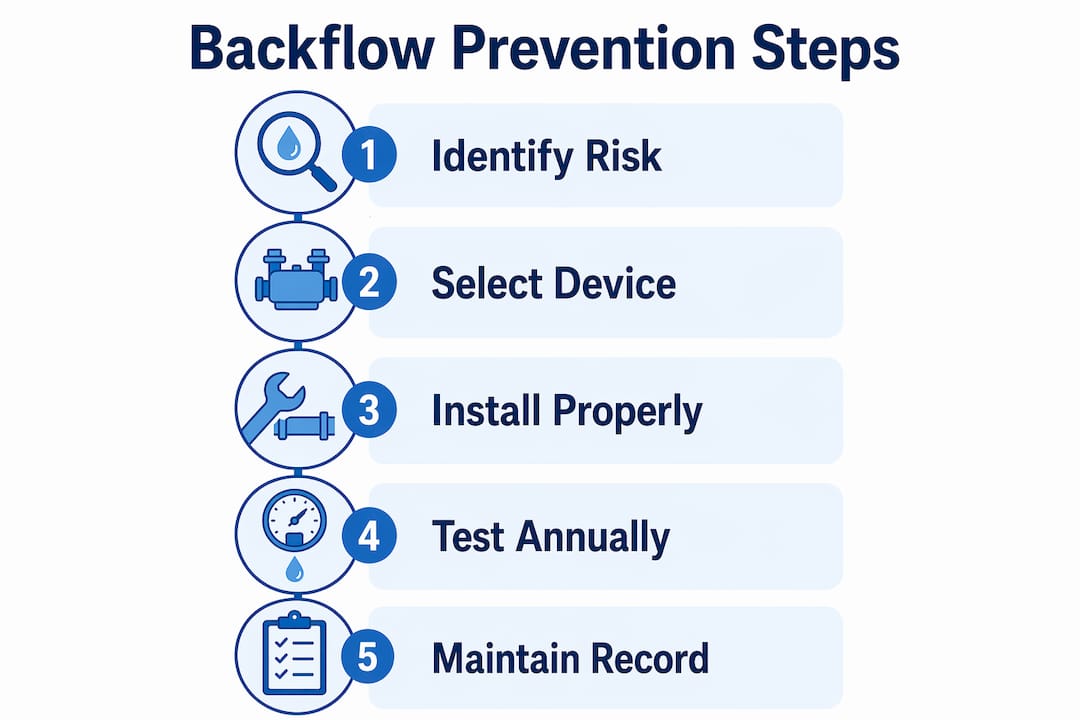
Owning a compliant backflow prevention assembly is only part of the obligation. Annual testing is required by federal, state, and local codes, and in New Jersey, certified testers must submit reports within 7 days of the inspection to the relevant water authority.
Here is a practical maintenance sequence to keep your system in compliance year after year:
- Schedule your annual test before your compliance deadline. Water utilities typically send reminder notices, but you are responsible for the deadline regardless of whether you receive one.
- Hire a certified backflow tester. New Jersey requires testers to hold specific state certifications. A general plumber without this credential cannot submit a valid test report.
- Be present or have your property manager present during testing. This lets you ask about any issues detected in real time rather than reading about them in a report after the fact.
- Review the test report carefully. Common findings include worn check valve seals, slow-closing valves, and relief valve leakage. Any failure requires immediate repair before the assembly is retested.
- Confirm report submission. Testing detects valve failures and other defects, but the compliance clock does not stop until the report is filed with your water utility.
Between annual tests, watch for signs that something may be wrong with your system. Unexplained drops in water pressure, discoloration at faucets near cross-connections, or a relief valve that discharges frequently are all signals worth investigating before your next scheduled test.
Pro Tip: Keep a physical folder or digital record for each backflow assembly on your property. Include the device serial number, installation date, last test date, and tester contact information. This saves significant time when a utility makes an unexpected request for documentation.
Troubleshooting techniques and remediation options
When a test fails or a reverse flow event is suspected, you need a clear path to diagnosis and resolution. Guessing at the problem and replacing parts at random wastes money and may not fix the underlying issue.
Flow measurement and pressure monitoring are the standard starting points. A certified tester uses differential pressure gauges to evaluate check valve function and identify exactly which component is failing. This data-driven approach tells you whether you need a simple seal replacement, a full valve overhaul, or a system-level modification.
Here is a comparison of the most common remediation paths:
| Remediation option | When to use it | Cost range | Compliance impact |
|---|---|---|---|
| Seal or disc replacement | Worn check valve seal causing slow closure | Low | Passes re-test if successful |
| Full valve assembly replacement | Aged device past service life or irreparable failure | Moderate to high | Resets compliance clock with new install |
| Cross-connection elimination | Hazardous configuration can be physically separated | Variable | Reduces or eliminates assembly requirement |
| System pressure redesign | Chronic backpressure from downstream equipment | High | Addresses root cause, not just symptom |
Some persistent problems trace back not to device failure but to how the system was designed or modified over time. A boiler bypass line added years ago, an irrigation zone extended without a proper isolation point, or a fire suppression system tapped into the wrong part of the water line can all create backpressure conditions that overwhelm a properly functioning assembly.
The key factors that determine which path makes sense for your property:
- Age and condition of the existing assembly
- Whether the cross-connection can be physically eliminated or must be managed with a device
- The hazard classification of your property under NJ code
- Budget and timeline for bringing the property back into compliance
If you have received a backflow violation notice, remediation is not optional. New Jersey water utilities have authority to terminate service for unresolved backflow violations.
What years of working with NJ properties have taught me
I have seen a lot of property owners treat backflow compliance as a box-checking exercise. Schedule the test, file the report, and move on. That approach works until it does not.
What I have found is that the properties with the most serious contamination risks are rarely the ones with obvious problems. They are the ones where a well-intentioned renovation added a cross-connection nobody documented, or where an irrigation expansion shifted the hazard classification of the property without anyone noticing. The assembly from the original installation is still there, still being tested annually, but it is no longer sized or rated for the actual risk the property presents.
The other pattern I have noticed is that people delay device upgrades because of cost. An RP assembly replacing an older double check valve runs several hundred dollars in parts and labor. It feels like an unnecessary expense when the old device keeps passing its annual test. But check valves pass tests right up until they do not. And when they fail during a real backpressure event, the remediation cost is not a few hundred dollars. It is emergency repairs, possible water quality testing, utility notifications, and potential liability.
My honest take: annual testing is the floor, not the ceiling, of what responsible backflow management looks like. Work with a certified professional who will tell you when your system needs an upgrade, not just whether it passed this year’s test.
— Jordan
Stay compliant with South Jersey Backflow
Managing reverse water flow risks across a New Jersey property is not something to handle with guesswork or a general plumber who holds no backflow certification. The stakes include water safety, regulatory compliance, and real financial exposure.
Southjerseybackflow specializes in exactly this work for property owners and managers across South Jersey. The team handles backflow testing and certification for residential, commercial, irrigation, and fire suppression systems, and all test reports are filed with your water authority within the required window. If you are in Salem County or Gloucester County, service is local and scheduling is straightforward. If you have already received a compliance notice from your utility, Southjerseybackflow can help you understand what that notice requires and get your property back into good standing before a deadline becomes a problem.
FAQ
What is the difference between backflow and reverse water flow?
They describe the same problem. Backflow is the official industry term used in plumbing codes and utility notices. Reverse water flow is a plain-language description of what physically happens when water moves backward through a cross-connection.
What causes reverse water flow in NJ properties?
Two mechanisms cause backflow: backsiphonage, triggered by sudden drops in water main pressure, and backpressure, when downstream equipment pressure exceeds incoming supply pressure. Irrigation pumps, boilers, and fire suppression systems are frequent sources in New Jersey properties.
How often do backflow prevention devices need to be tested in New Jersey?
Annual testing is required under NJ regulations, and certified testers must file reports with the water authority within 7 days of the inspection. Failure to test on schedule can result in compliance violations and potential service interruption.
Which backflow prevention assembly does my NJ property require?
The required device depends on your property’s hazard classification. High-hazard connections such as commercial irrigation and industrial equipment require a reduced pressure assembly. Lower-hazard residential connections may qualify for a pressure vacuum breaker or double check valve. A certified backflow professional can assess your specific cross-connections and confirm the correct device under current NJ code.
What should I do if my backflow device fails its annual test?
A failed test requires immediate repair or replacement of the defective assembly, followed by a re-test before a passing report can be submitted. Do not continue operating the system with a failed device. Contact a certified NJ backflow tester to assess whether the problem requires part replacement or a full assembly swap.
Pingback: Sewer Backflow vs Water Backflow: NJ Homeowner Guide
Pingback: Backflow Company Background Check: NJ Property Guide