TL;DR:
- Local water utilities in New Jersey enforce backflow laws through cross-connection control programs that monitor compliance, validate test reports, and issue penalties for violations. Enforcement is triggered by recordkeeping and audit procedures rather than physical device status alone, with property owners responsible for timely testing and reporting. Risk level and property type influence enforcement strictness, with high-risk facilities facing more frequent inspections and oversight.
Local water utilities are the primary enforcers of backflow laws in New Jersey, operating cross-connection control programs that track compliance, validate test reports, and issue penalties for violations. Federal law sets the framework, state plumbing codes define the standards, and your local water utility is the entity that will actually contact you, fine you, or shut off your service if you fall out of compliance. Understanding who enforces backflow laws and how that enforcement works is the difference between a smooth annual inspection and an unexpected service interruption.
Who enforces backflow laws and what gives them authority?
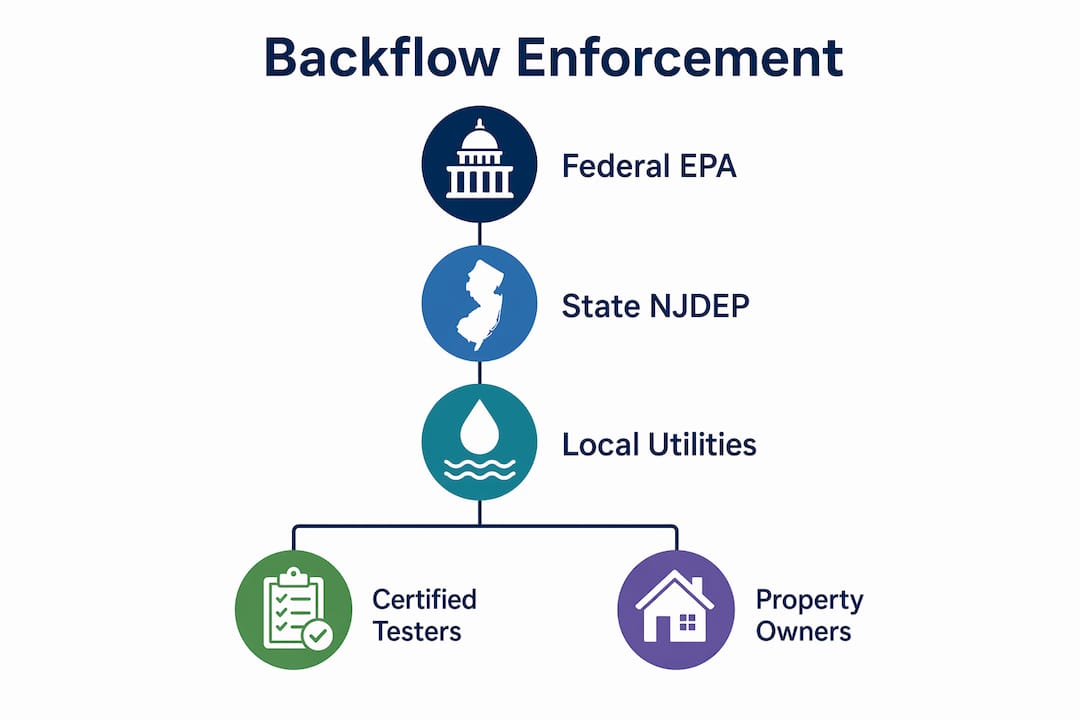
The authority to enforce backflow prevention regulations flows from the federal level down to your water meter. The Safe Drinking Water Act mandates that public water systems implement cross-connection control programs to protect potable water from contamination. That federal mandate delegates operational enforcement to state agencies and, in turn, to local water utilities.
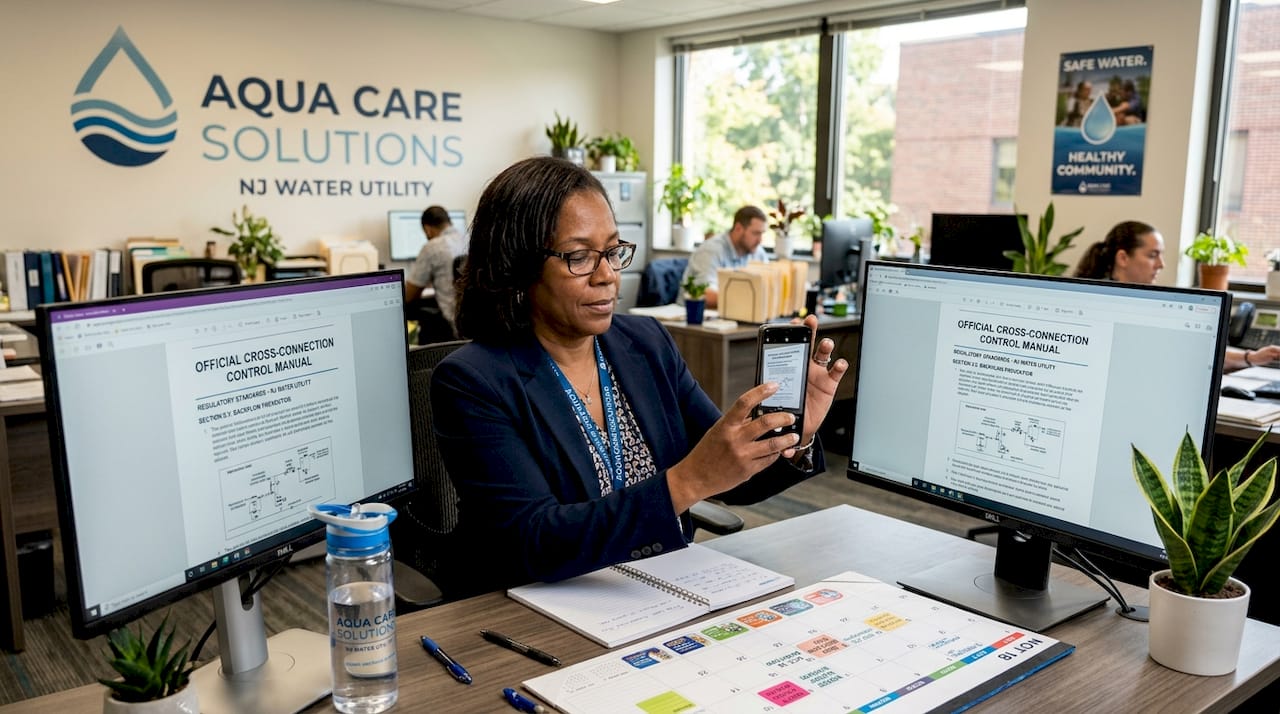
In New Jersey, the state plumbing code and the New Jersey Department of Environmental Protection (NJDEP) define the specific backflow testing requirements, approved device types, and tester qualifications that utilities must enforce. The NJDEP sets the rules; your local water utility enforces them on the ground.
The backflow prevention authorities in this system include:
- Federal level: The Environmental Protection Agency (EPA) establishes the Safe Drinking Water Act framework and oversees state compliance.
- State level: The NJDEP and the New Jersey State Board of Examiners of Plumbing set plumbing code requirements and certify licensed plumbers and testers.
- Local level: Your municipal water utility or water authority administers the cross-connection control program, tracks your property, and issues compliance notices.
- Certified testers: Licensed professionals who perform the physical tests and submit results to the utility. Their reports are the documentation that triggers or resolves enforcement action.
Pro Tip: Contact your local water utility directly to confirm which cross-connection control program covers your property. In New Jersey, service territories vary, and the program requirements can differ between municipalities.
The enforcement of plumbing codes in New Jersey is not handled by police or code enforcement officers in most cases. It is a regulatory function administered by water utilities with the legal authority to control access to the water supply itself.
How do local water utilities enforce backflow testing compliance?
Water utilities track required properties, testing schedules, submitted test reports, and compliance status through their cross-connection control programs. The operational enforcement process follows a predictable sequence that every New Jersey property owner should understand.
Here is how enforcement typically unfolds:
- Property identification. The utility identifies properties that require backflow prevention devices based on the type of water use, potential hazards, and connection type. Commercial, industrial, and irrigation connections are almost always flagged.
- Annual notice. The utility sends a compliance notice before your testing deadline, reminding you that a test is due and specifying the submission requirements.
- Test submission window. You hire a certified tester, the test is performed, and the tester submits results electronically to the utility within the required deadline. Missing this window is where most violations begin.
- Non-compliance notice. If no test report is received, the utility issues a formal notice of non-compliance. This is not a warning. It is the start of an enforcement action.
- Escalation. Continued non-compliance can result in fines, mandatory reinspection requirements, or water service disconnection. Failure to comply can result in service disconnections or financial penalties.
- Resolution. Once a compliant test report is submitted and any required repairs are completed, the utility closes the enforcement action.
The most important insight here is that enforcement is triggered by recordkeeping and audit procedures rather than solely physical inspections. A device that is physically functioning correctly can still generate a violation if the paperwork is not submitted on time. This surprises many property owners who assume that having a working device is sufficient.
Pro Tip: Ask your certified tester to confirm submission to the utility before they leave your property. Get the confirmation number or submission receipt in writing. This single step prevents the majority of false non-compliance notices.
Local backflow inspectors at the utility level review submitted reports for completeness and accuracy. Reports from testers who are not approved by the utility are rejected outright, which resets the compliance clock and can push you into violation status even if the test itself was valid.
What responsibilities do property owners and certified testers share?
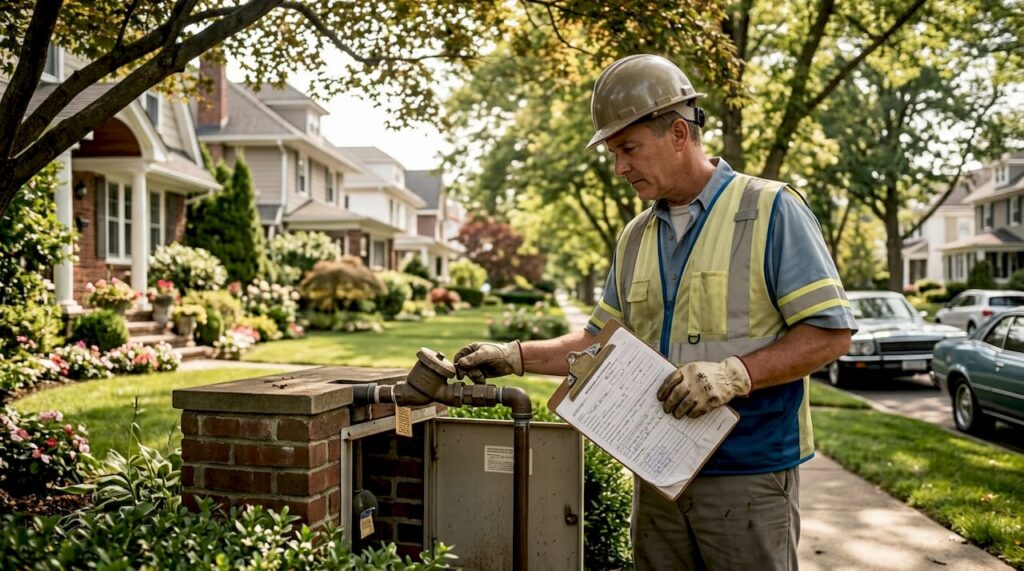
Property owners bear the legal responsibility for compliance, even though certified testers handle the technical work. This distinction matters when enforcement action arrives. The utility will contact the property owner, not the tester, when a violation occurs.
Your responsibilities as a New Jersey property owner include:
- Scheduling annual testing before the utility’s deadline, not after receiving a non-compliance notice.
- Hiring only certified backflow testers who meet state and utility-specific qualifications. Testing agencies follow standards such as ASSE 5015 to verify accuracy and compliance. Reports from uncertified testers are rejected.
- Confirming that test results are submitted to your specific utility within the required timeframe. Some utilities require electronic submission within 10 business days; others have tighter windows.
- Funding any repairs identified during testing. A failed test requires repair and retesting before the compliance cycle closes.
- Maintaining records of all test reports, repair invoices, and utility correspondence for at least three years. These records are your defense in any audit or dispute.
The certified tester’s role is to perform the physical test accurately, document findings on the approved form, and submit results electronically within specific deadlines. Improper or missing submissions can lead to non-compliance notices or penalties that fall on the property owner.
Proper device installation and maintenance by licensed plumbers certified in backflow prevention is as critical as annual testing for long-term compliance. A device that has not been maintained between tests is more likely to fail, which triggers a repair requirement and extends the compliance timeline. Review the NJ water backflow prevention guide for a clear breakdown of what maintenance looks like between test cycles.
How does enforcement vary by property type and risk level?
Backflow compliance regulations are not applied uniformly across all properties in New Jersey. The intensity of enforcement scales with the risk level of the connection.
| Property type | Enforcement intensity | Typical testing frequency | Key enforcement focus |
|---|---|---|---|
| Residential (standard) | Low to moderate | Annual | Test report submission |
| Residential (irrigation) | Moderate | Annual, pre-season | Seasonal startup compliance |
| Commercial (low hazard) | Moderate | Annual | Report submission and device condition |
| Commercial (high hazard) | High | Annual or semi-annual | Device type, tester qualifications, repair timelines |
| Industrial and healthcare | High | Annual or more frequent | Strict device standards, audit readiness |
High-risk properties such as commercial, industrial, and healthcare facilities face increased testing frequency and more intensive oversight. A hospital or chemical processing facility will have a different enforcement relationship with its utility than a single-family home with a garden hose connection.
Irrigation systems present a specific compliance challenge in New Jersey because they are seasonal. Many utilities require backflow testing at system startup each spring, and some require a separate inspection when the system is winterized. Missing the startup test is a common violation for residential and commercial irrigation users alike.
Local variations in enforcement practices also exist across New Jersey’s many water authorities. Some utilities send multiple reminder notices before escalating to formal action. Others move quickly from notice to penalty. The NJ residential backflow protection guide outlines what homeowners can expect from their local program, including how to read compliance notices and respond correctly.
Public water systems must maintain control programs that prevent contamination from cross-connections, and the enforcement intensity reflects the contamination risk each property type presents. The logic is straightforward: the greater the potential harm to the public water supply, the more closely the utility monitors compliance.
Key takeaways
Local water utilities are the operational enforcers of backflow laws in New Jersey, acting under authority delegated from the Safe Drinking Water Act through state plumbing codes.
| Point | Details |
|---|---|
| Primary enforcer | Your local water utility administers the cross-connection control program and issues all compliance notices. |
| Documentation drives enforcement | A working device still generates a violation if the test report is not submitted on time and to the correct utility. |
| Property owner accountability | The utility holds the property owner responsible for compliance, not the tester. |
| Risk-based enforcement | Industrial, healthcare, and commercial properties face stricter testing requirements and faster escalation than residential properties. |
| Certified testers only | Reports from testers not approved by your specific utility are rejected, resetting your compliance clock. |
What I’ve learned about backflow enforcement after years in New Jersey
The single most common mistake I see New Jersey property owners make is treating backflow compliance as a one-time task rather than an ongoing administrative responsibility. They get the device installed, pass the first test, and then miss the next annual deadline because no one set a reminder. The device is fine. The paperwork is missing. The utility sends a non-compliance notice. The owner panics and calls us.
What makes this frustrating is that the enforcement system is actually designed to be predictable. Utilities send notices. They give you a window. They escalate only when you ignore them. The owners who get hit with fines or service interruptions are almost never the ones with defective devices. They are the ones who lost track of the calendar.
Working with a certified tester who knows your specific utility’s submission system is worth more than most people realize. New Jersey has dozens of water authorities, and each one has its own portal, its own deadlines, and its own quirks. A tester who submits to Elizabethtown Water every week knows exactly what that utility’s compliance team expects. A tester who is unfamiliar with your utility’s system may submit a technically correct report in the wrong format and get it rejected.
My honest advice: build a relationship with your local water utility’s cross-connection control department before you ever receive a notice. Call them, introduce yourself as the property owner, and ask what their submission process looks like. Utilities respond better to owners who are proactively engaged. When something goes wrong, that relationship is the difference between a quick resolution and a drawn-out enforcement process.
— Jordan
Stay compliant with professional backflow testing in New Jersey
Southjerseybackflow specializes in backflow testing and certification for New Jersey property owners and managers who need accurate results submitted correctly to their local water utility. The team understands the specific requirements of New Jersey’s water authorities, from submission deadlines to approved tester qualifications, and handles the entire compliance process from test to report. If your device needs repair or retesting, Southjerseybackflow manages that too, so your compliance record stays clean. Review the full process at NJ backflow testing guide or explore testing and certification services tailored to your property type.
FAQ
Who enforces backflow laws in New Jersey?
Local water utilities enforce backflow laws in New Jersey through their cross-connection control programs. They track compliance, validate test reports, and issue notices or penalties for violations.
What happens if I miss my backflow testing deadline?
Your water utility will issue a formal non-compliance notice, and continued failure to comply can result in fines or water service disconnection. Submitting a valid test report from a certified tester is the only way to resolve the violation.
Can any licensed plumber test my backflow preventer?
No. Certified testers must meet state and utility-specific qualifications, and reports from unapproved testers are rejected by the utility. Always confirm your tester is approved by your specific water authority before scheduling.
How often are backflow devices required to be tested in New Jersey?
Backflow devices must undergo annual inspections and tests by approved testers to comply with local laws and water utility requirements. High-risk commercial and industrial properties may face more frequent testing requirements.
Does the type of property affect how strictly backflow laws are enforced?
Yes. Commercial, industrial, and healthcare facilities face increased testing frequency and more intensive oversight compared to standard residential properties. Irrigation systems also carry specific seasonal compliance requirements that differ from standard annual testing.