TL;DR:
- Backflow inspection in New Jersey ensures devices are compliant and maintained before property transactions. Skipping this step risks regulatory fines, legal liability, and costly remediation after closing. Conducting early professional inspections and reviewing documentation provides leverage and legal protection during due diligence.
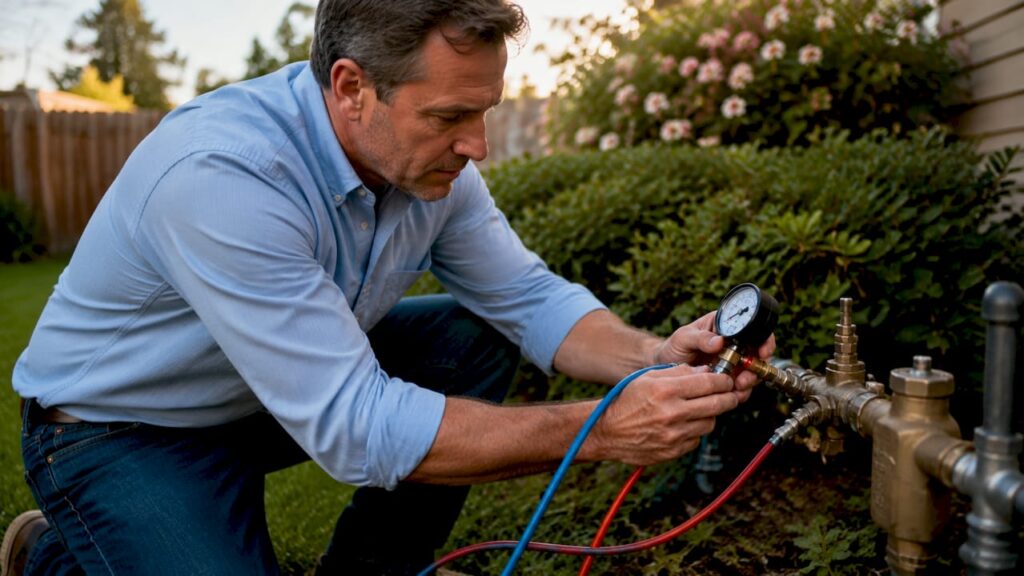
Due diligence backflow inspection is the process New Jersey property owners and investors use to verify that backflow prevention devices are compliant, properly maintained, and certified before completing a purchase or lease. Skipping this step is one of the most expensive oversights in NJ real estate transactions. The New Jersey Department of Environmental Protection (NJDEP) mandates annual testing and certification for backflow prevention assemblies, and many buyers discover violations only after closing, when the cost and liability fall entirely on them. A structured inspection process, combined with thorough document review, protects your investment and your water supply.
What are the backflow compliance requirements in new jersey?
Backflow devices require annual inspection and certification by licensed professionals in New Jersey. That means every backflow prevention assembly on a property must be tested once per year, timed to the month of its original installation. Missing that window puts the property owner in violation of NJDEP rules and creates immediate liability.
New Jersey’s backflow compliance framework rests on three pillars:
- Licensed testers only. Certified cross-connection control technicians are the only professionals authorized in New Jersey to inspect, test, and repair backflow prevention devices. Credentials matter. An inspection performed by an unlicensed individual is not valid.
- Annual testing cycle. Testing must occur every 12 months. The clock starts from the installation date, not the calendar year. A device installed in march must be tested each march.
- Submission of results. Test results must be submitted to the local water purveyor using approved NJDEP forms. Failure to submit is treated the same as failure to test.
Non-compliance carries real consequences. Property owners face regulatory fines, potential service interruptions, and legal exposure if contamination occurs. For investors acquiring commercial properties, a lapsed certification discovered during escrow can delay or kill a deal.
Pro Tip: Ask the seller for the last three years of backflow test reports before you make an offer. Gaps in the testing record signal deferred maintenance and give you negotiating leverage before you are under contract.
What documentation should you collect during backflow due diligence?
Proper documentation is the foundation of any credible backflow compliance review. Without it, you cannot confirm whether devices were tested on schedule, whether violations were corrected, or whether the current certification is valid. Gaps in records translate directly into gaps in your legal protection.
Here is the documentation sequence to follow during any property transaction:
- Request all historical test reports. Ask for at least three years of signed test reports. Each report should show the device tested, the date, the tester’s license number, and the pass or fail result.
- Obtain installation permits. Confirm that every backflow prevention assembly was installed with a permit. Unpermitted installations may not meet current code and could require replacement.
- Verify the tester’s credentials. Cross-reference the license number on each report against the NJDEP’s certified tester database. Fraudulent certifications exist and are more common than buyers expect.
- Check for open violations or notices. Request any correspondence from the local water authority or municipality regarding backflow non-compliance. Open notices become your liability at closing.
- Confirm submission receipts. Test reports must be submitted to the water purveyor. Ask for proof of submission, not just the test report itself.
Due diligence periods in commercial real estate typically run 30–90 days. That window is your only protected opportunity to review records and negotiate remediation before you own the problem. Use it.
Pro Tip: If a seller cannot produce test reports for the current year, treat the property as non-compliant. Do not accept verbal assurances. Require written documentation or a price concession that covers the cost of bringing the system into compliance.

How do you commission a backflow inspection during property due diligence?
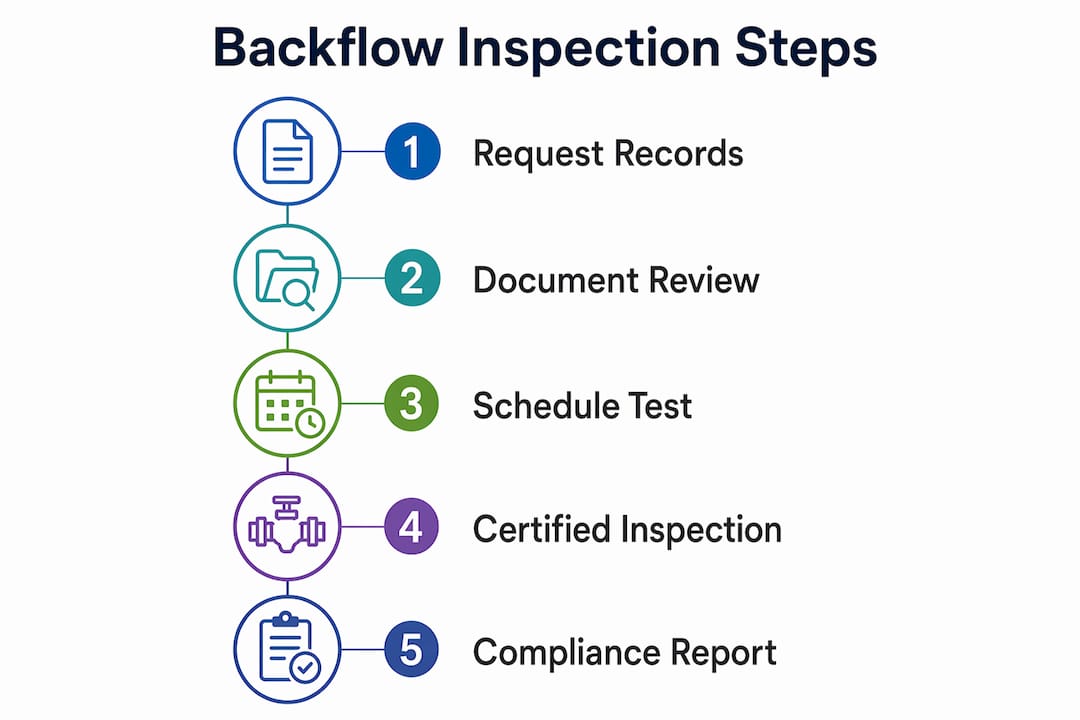
A structured approach to commissioning a backflow prevention inspection protects you from surprises and gives you defensible findings for negotiation. The process has six clear steps.
- Identify all backflow prevention assemblies on the property. Request a site plan or plumbing diagram from the seller. Commercial properties often have multiple devices serving irrigation, fire suppression, and potable water systems separately.
- Hire a certified tester and verify credentials before scheduling. Confirm the tester holds a valid New Jersey cross-connection control certification. Verify the license directly with NJDEP, not just from a business card.
- Schedule the inspection early in the due diligence window. Commercial real estate experts recommend integrating backflow inspection early in the 30–90 day window to maximize negotiation leverage. Waiting until week eight leaves no time to act on findings.
- Use NJDEP-standardized inspection forms. NJDEP inspection forms standardize reporting and document flow conditions, odors, discolorations, and structural damage. Require your tester to use them.
- Interpret the results by category. Findings fall into three groups: immediate closing issues that must be resolved before transfer, first-year capital items that require budgeted repair within 12 months, and deferred reserves for longer-term maintenance planning.
- Use findings to negotiate. A failed test or lapsed certification is a documented deficiency. Use it to request a price reduction, a seller credit, or a remediation agreement before closing.
The table below shows how to categorize common inspection findings:
| Finding | Category | Recommended Action |
|---|---|---|
| Failed pressure test | Immediate closing issue | Require repair and retest before closing |
| Lapsed annual certification | Immediate closing issue | Require current certification or credit |
| Worn internal components | First-year capital item | Budget for replacement within 12 months |
| Outdated device model | Deferred reserve | Plan for upgrade in capital budget |
| Missing installation permit | Immediate closing issue | Require permit or code compliance letter |
Common pitfalls include accepting a seller-provided test report without verifying the tester’s credentials, and failing to inspect devices on secondary systems like irrigation or fire suppression. Both mistakes leave you exposed.
What are the liability risks of skipping backflow compliance?
Backflow non-compliance creates liability across three categories: public health, legal, and financial. Each one can affect a transaction and your long-term ownership costs.
The health risk is direct. Backflow contamination can introduce sewage, pesticides, or industrial chemicals into a potable water supply. That risk is not theoretical. Cross-connection failures have caused documented public health incidents in New Jersey and across the country.
The legal exposure is equally serious:
- Property owners are legally responsible for maintaining compliant backflow prevention devices under NJ law.
- A contamination event traced to a failed or uncertified device creates personal liability for the owner, not the seller.
- Open violations discovered after closing cannot be renegotiated. You own them.
- Municipalities can issue fines, mandate service shutoffs, and require remediation at the owner’s expense.
“Thorough backflow compliance due diligence is not optional for NJ property investors. It is the difference between a clean acquisition and an inherited legal problem.”
The financial exposure compounds over time. Remediation costs for a non-compliant commercial system can run into thousands of dollars. Transaction delays caused by last-minute compliance discoveries cost money in extended carrying costs, legal fees, and renegotiation time. Early and thorough inspection is always cheaper than post-closing remediation.
DIY review vs. hiring certified professionals: which approach works?
Self-assessment has a limited but legitimate role in backflow compliance property due diligence. You can review documents, check submission dates, and flag obvious gaps before spending money on a professional inspection. What you cannot do is perform a valid test, certify a device, or submit results to the water purveyor.
| Factor | DIY Document Review | Certified Professional Inspection |
|---|---|---|
| Legal validity | None | Fully valid under NJ law |
| Cost | No direct cost | Varies by device count and property type |
| Scope | Records only | Physical test, certification, and submission |
| Negotiation value | Limited | Defensible findings for price negotiation |
| Risk of error | High without training | Low with licensed tester |
| Recommended use | Pre-offer screening | Required during due diligence period |
The right sequence is to do your own document review before making an offer, then commission a certified professional inspection during the due diligence period. Trying to skip the professional step on commercial properties is a false economy. The cost of a certified backflow testing service is a fraction of the cost of a post-closing violation.
Pro Tip: For properties with multiple backflow assemblies, ask the tester for a device inventory list as part of the inspection deliverable. Many investors discover devices they did not know existed, each carrying its own compliance obligation.
Key takeaways
Backflow compliance due diligence in New Jersey requires annual certified testing, complete documentation review, and professional inspection before any property transaction closes.
| Point | Details |
|---|---|
| Annual testing is mandatory | NJ law requires certified testing every 12 months, timed to the installation month. |
| Documentation gaps signal risk | Missing test reports or permits indicate deferred maintenance and create negotiation leverage. |
| Inspect early in due diligence | Schedule professional inspection in the first third of the 30–90 day window to allow time for remediation. |
| Categorize findings strategically | Sort findings into immediate issues, first-year capital items, and deferred reserves for negotiation. |
| DIY review has limits | Self-assessment works for pre-offer screening only. Certified professionals are required for valid results. |
What i’ve learned watching investors skip this step
I have seen the same mistake repeated across dozens of NJ property transactions. A buyer focuses on the structural inspection, the environmental report, and the title search. Backflow compliance gets treated as a checkbox, not a substantive review. Then, 60 days after closing, a notice arrives from the water authority.
The documentation review is where most of the value is. A failed test report from two years ago, never corrected, tells you more about how a property has been managed than almost any other document in the due diligence file. Sellers who cannot produce records are not disorganized. They are telling you something.
The negotiation angle is also underused. A lapsed certification or a failed device is a documented, quantifiable deficiency. It is not a reason to walk away from a good deal. It is a reason to adjust the price or require a seller credit. Investors who skip the inspection lose that leverage entirely.
My strongest advice: treat backflow compliance as a first-week task, not a last-week formality. The NJ backflow compliance codes are not ambiguous, and the liability for non-compliance transfers with the deed. Get the inspection done early, get the documentation in writing, and use the findings.
— Jordan
How Southjerseybackflow supports NJ property transactions
Southjerseybackflow provides certified backflow testing and compliance services across New Jersey, specifically for property owners and investors navigating due diligence. The team handles device testing, documentation, and submission to local water purveyors, giving you a complete compliance record before closing.
Whether you are acquiring a commercial property in Ocean County or a residential investment in Gloucester County, Southjerseybackflow delivers inspection results you can use in negotiation and documentation that satisfies NJDEP requirements. Their backflow testing and compliance guide walks you through every step of the process. Contact Southjerseybackflow before your due diligence window closes, not after.
FAQ
What is a backflow inspection in new jersey?
A backflow inspection is a certified test of a backflow prevention assembly to confirm it is functioning correctly and preventing contaminated water from flowing back into the potable supply. In New Jersey, only licensed cross-connection control technicians can perform valid inspections.
How often must backflow devices be tested in NJ?
Backflow devices must be tested annually, timed to the month of original installation. Missing the annual cycle puts the property owner in violation of NJDEP requirements.
What documents should i request for backflow compliance during due diligence?
Request at least three years of signed test reports, installation permits, proof of submission to the water purveyor, and any open violation notices from the municipality. Missing documentation is a red flag that warrants a price adjustment or seller credit.
Can i perform a backflow inspection myself during due diligence?
You can review records and flag gaps on your own, but only a certified professional can perform a legally valid test in New Jersey. Self-assessment is useful for pre-offer screening, but it does not replace a certified inspection during the due diligence period.
What happens if a property has a lapsed backflow certification at closing?
The liability transfers to the new owner. You will be responsible for bringing the system into compliance, paying any fines, and covering remediation costs. Identifying the lapse before closing gives you the option to negotiate a credit or require the seller to resolve it.
Pingback: Backflow Testing Vendor Selection Criteria for NJ Owners