TL;DR:
- Proper compliance with New Jersey’s backflow regulations requires understanding state and local requirements and maintaining approved prevention devices. Regular testing, proactive inspections, and detailed recordkeeping are essential to prevent costly water contamination and code violations. Combining certification services with routine maintenance fosters a safety culture that protects tenants, property value, and long-term compliance.
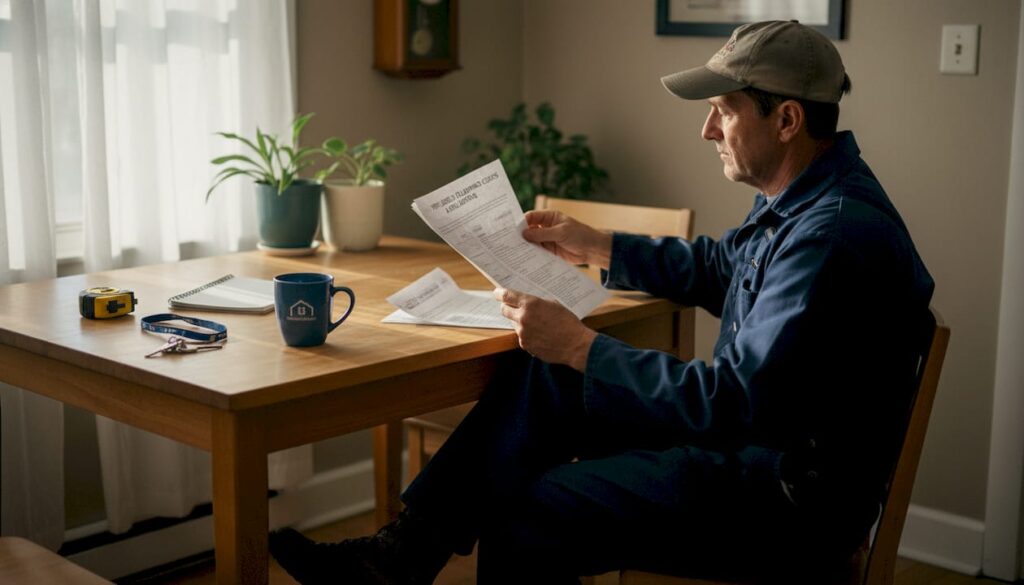
A single missed backflow test or an ignored drip under a sink can spiral into a contaminated water supply, a code violation notice, and a repair bill that wipes out months of rental income. New Jersey property managers face a layered web of state regulations, municipal ordinances, and physical infrastructure demands that rarely get the attention they deserve until something goes wrong. This guide walks you through the exact steps you need to take, from understanding your legal obligations under NJDEP rules to building a maintenance routine that keeps your properties safe, compliant, and protected against costly emergencies.
Table of Contents
- Know New Jersey’s plumbing and backflow regulations
- Install and maintain approved backflow prevention devices
- Adopt a proactive plumbing maintenance routine
- Compare your compliance and safety practices
- What most property managers miss about plumbing safety
- Protect your property with certified backflow and plumbing safety services
- Frequently asked questions
Key Takeaways
| Point | Details |
|---|---|
| Understand all codes | Plumbing safety starts with mastering both state and local New Jersey requirements. |
| Use approved devices | Install the correct NJDEP-approved backflow devices and maintain proper testing documentation. |
| Routine maintenance matters | Proactively inspect and service your plumbing to prevent hidden leaks and ensure long-term safety. |
| Benchmark your practices | Compare your current procedures to proven best practices to spot gaps and reduce risks. |
| Go beyond compliance | Real safety comes from exceeding minimum requirements and building safer habits every day. |
Know New Jersey’s plumbing and backflow regulations
Understanding the rules is not optional for property managers in this state. New Jersey operates under a two-tier system where state minimums set the floor, and local municipalities can raise the bar from there.
At the state level, backflow prevention regulations fall primarily under the NJDEP’s Safe Drinking Water Act framework. Specifically, N.J.A.C. 7:10 regulations govern physical connections and cross-connection control for public water systems, covering everything from approved installation types to required inspection and testing procedures. Cross-connection control, for those newer to the terminology, refers to the management of any actual or potential link between a potable (drinkable) water supply and a source of contamination.
On top of state requirements, property managers must also account for the Uniform Construction Code (UCC), administered by the New Jersey Department of Community Affairs (NJDCA). Local municipality plumbing variations mean that your obligations in Cherry Hill may look different from those in Newark or Trenton. Municipal codes can layer on requirements that exceed state minimums, and the penalties for ignoring local ordinances are just as real as those for ignoring NJDEP rules.
Here is a quick breakdown of the key regulatory layers affecting most New Jersey properties:
- NJDEP N.J.A.C. 7:10 covers cross-connection control for public water systems, including device approvals and inspection procedures
- NJ UCC (NJDCA) sets statewide minimum technical standards for plumbing installations and permits
- Municipal ordinances can establish stricter testing intervals, additional inspection requirements, and local enforcement procedures
- Water purveyor programs (your local water company) often administer ongoing backflow testing programs separate from permit-based installation
The distinction between permit-based installation and ongoing operational testing trips up a lot of property managers. Getting a permit and passing an installation inspection is a one-time event. Staying compliant year after year requires a separate, recurring testing program coordinated with your water utility and local authority. Knowing the backflow inspection requirements specific to your municipality is the only way to stay ahead of notices and fines.
Key takeaway: Never assume that state-level compliance covers your municipal obligations. Call your local health department or water utility directly to confirm what testing intervals and documentation they require from property managers in your area.
Install and maintain approved backflow prevention devices
Once you understand the regulations, your next priority is the right equipment and a robust maintenance plan.
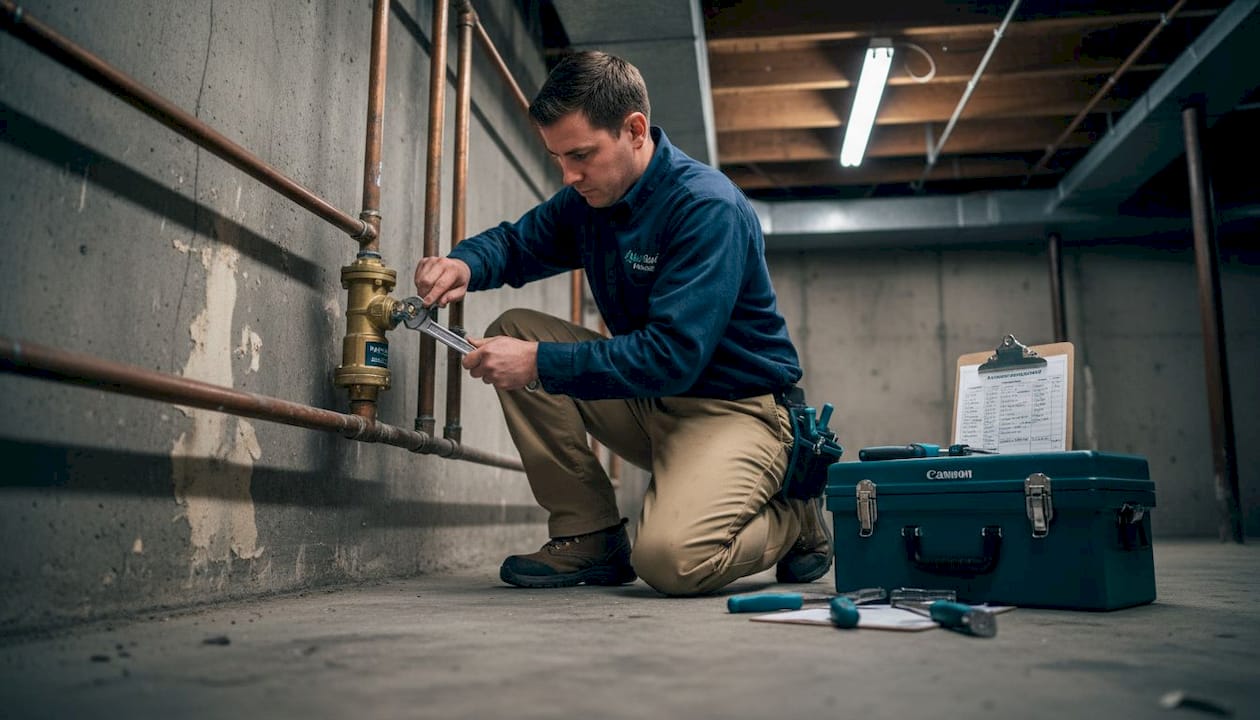
Not every backflow preventer qualifies as “approved” under New Jersey code. N.J.A.C. 7:10 regulations specify that installations must use devices such as a double check valve assembly (DCVA) or a reduced pressure zone (RPZ) backflow preventer, both of which must be installed and tested according to code. The RPZ is the higher-protection option and is typically required at properties with elevated contamination risk, such as those with irrigation systems, fire suppression connections, or commercial-grade equipment tied to the water supply.
Here is a step-by-step overview of how a compliant installation should proceed for most New Jersey properties:
- Assess your hazard level. Determine whether your connection represents a low hazard (a DCVA is typically sufficient) or a high hazard (an RPZ is required). A licensed professional can help you make this determination.
- Select an approved device. Your device must be on the NJDEP or American Backflow Prevention Association (ABPA) approved products list. Using an unapproved device voids compliance regardless of how well it functions.
- Pull the proper permit. Installation without a permit is a code violation in most New Jersey jurisdictions. Your plumber or contractor should handle this, but confirm before work begins.
- Schedule the installation inspection. After installation, a certified inspector will verify that the device meets code requirements. Pass this step, and you have your baseline compliance record.
- Enroll in annual operational testing. This is separate from the installation inspection and is ongoing. Work with a certified backflow testing and certification provider to schedule recurring tests on the timetable your municipality requires.
- Keep all records. Test reports, certification paperwork, and inspection dates should all be stored both digitally and in a physical file at the property. Many municipalities require you to submit copies directly to the water utility.
Maintenance between annual tests matters too. Devices exposed to freezing temperatures, high sediment, or heavy use can degrade faster than the testing calendar reflects. A visual inspection every few months, checking for corrosion, physical damage, or unusual moisture around the device housing, can catch early problems before they become expensive failures.
Pro Tip: Schedule your professional certification and testing appointment at the same time each year, ideally in the spring after the risk of freezing has passed. Keep a dedicated inspection log for every device on your property. If you ever face a code audit or insurance review, having organized records demonstrates proactive management and can protect you from penalties.
You can also reference the detailed backflow device installation guide for specific guidance on device selection and installation standards for New Jersey property types.
Adopt a proactive plumbing maintenance routine
Installing proper devices is only part of the equation. Ongoing vigilance through regular maintenance is equally crucial.
Most plumbing failures do not happen suddenly. They build slowly over weeks or months, through minor leaks that saturate wall cavities, pipe corrosion that weakens joints, and fixture wear that eventually fails under pressure. Routine inspection and maintenance focused on catching leaks, corrosion, and early fixture failures is one of the most cost-effective risk management strategies available to property managers.
Here are the key checkpoints to include in any routine plumbing inspection:
- Under-sink cabinets: Look for moisture stains, warped wood, or musty odors that indicate slow drip leaks from supply lines or drain connections
- Visible pipe sections: Check for discoloration, white mineral deposits, or green oxidation on copper pipes, all of which signal active or developing corrosion
- Water heater connections: Inspect both the inlet and outlet connections, the pressure relief valve, and the area around the base for rust or moisture
- Toilet supply lines and flapper valves: Running toilets can waste thousands of gallons per month and can silently inflate water bills without any visible leak
- Exterior hose bibs and irrigation shutoffs: Freeze-thaw cycles in New Jersey winters cause more pipe failures than most managers realize
- Backflow preventer housing: Even between formal test cycles, a quick visual check for dripping or physical damage takes 60 seconds and can catch issues early
Documenting everything you find, even when you find nothing, creates a paper trail that protects you legally and helps identify patterns over time. If Apartment 4B keeps showing moisture under the sink every three months, that pattern tells you there is a systemic issue that a simple re-tightening is not fixing.
Pro Tip: When in doubt, call a certified plumber before a minor concern becomes a major repair. Emergency plumbing calls cost two to three times more than scheduled service visits, and water damage remediation can run tens of thousands of dollars. A $150 service call to investigate a suspicious moisture stain is always a better investment than the alternative. You can also use the residential backflow protection guide as a reference for property-specific risk factors.
Compare your compliance and safety practices
Having explored proactive routines, it is time to measure how your current approach stacks up to best-in-class standards.
Municipal supplemental ordinances on topics like backflow preventer testing intervals demonstrate that UCC sets the floor, but the ceiling is defined by how seriously you take your safety program. The table below breaks down three tiers of practice so you can identify where your property currently sits and what changes would move you up.
| Practice area | Basic compliance | Intermediate | Best practice |
|---|---|---|---|
| Backflow device testing | Annual, reactive scheduling | Annual, proactive scheduling | Annual plus mid-year visual inspection |
| Inspection documentation | Paper records only | Digital records on file | Digital records plus submitted to water utility |
| Routine plumbing checks | No formal schedule | Seasonal (twice per year) | Monthly walkthroughs with written logs |
| Response time to leaks | When visible or reported | Within 1 week of detection | Within 24 to 48 hours of any sign |
| Permit and certification records | Stored somewhere | Organized by property | Organized, indexed, and backed up offsite |
| Coordination with water utility | Only when required | Annual contact to confirm requirements | Ongoing relationship with utility contact |
| Device upgrades | When forced by failure | On a 10 to 15 year replacement cycle | Proactive review every 5 to 7 years |
Properties operating at the basic compliance level are meeting the legal minimum, but they are absorbing the most risk. A device that passes its annual test can still fail mid-year, and without mid-cycle visual checks, you may not catch it until a water quality complaint triggers an investigation.
Properties at the best practice level experience measurably fewer emergency repairs and code violations. The reason is straightforward: more frequent checkpoints mean shorter windows between when a problem develops and when it gets addressed. That compression of the response window is what turns a $200 repair into a non-event instead of a $20,000 water damage claim.
Review the full testing and compliance guide to see exactly how New Jersey’s submission and testing process works in practice.
What most property managers miss about plumbing safety
Here is what we see consistently after years of working with New Jersey property managers: the managers who get into trouble are rarely the ones who ignore the rules completely. They are the ones who believe that getting a device installed and passing the first inspection means their job is done.
This confusion between installation compliance and operational compliance is pervasive. Installation and operational testing are fundamentally distinct obligations. The permit-based installation inspection confirms that the device was installed correctly. Annual operational testing, managed through your water utility’s cross-connection control program, confirms that the device is still working correctly. These are two different questions, and only one of them gets asked on a recurring basis.
The managers whose properties consistently perform well over time treat compliance as a living system, not a checkbox. They maintain organized records. They call their water utility contact proactively to confirm testing intervals rather than waiting for a violation notice. They train maintenance staff to recognize early warning signs rather than waiting for tenant complaints. They know their backflow preventer basics well enough to ask the right questions when a technician is on site.
Going beyond minimum code is not just idealism. It is risk management. A contamination event traced back to a failed backflow device on your property exposes you to liability that no insurance policy fully covers. Your tenants’ health, your reputation, and the long-term value of your investment all depend on a safety culture that outlasts any single inspection cycle.
Protect your property with certified backflow and plumbing safety services
Ready to raise your property’s safety level beyond routine compliance? Specialized help is just a click away.
Managing backflow compliance across multiple properties while keeping up with municipal ordinances, water utility programs, and documentation requirements is a real operational burden. South Jersey Backflow provides certified testing, installation, and routine service specifically for New Jersey property managers who want to stay compliant with backflow testing without the headache of tracking it all manually. From first installation to annual certification, our team handles the paperwork, coordinates with your water utility, and keeps your records organized and submission-ready. Explore our full range of backflow testing and certification services and find out how straightforward compliance can be when you have the right partner.
Frequently asked questions
How often does New Jersey require backflow preventer testing?
Most New Jersey municipalities require annual backflow preventer testing, though local testing intervals can vary based on supplemental municipal ordinances, so always confirm the specific schedule with your water provider.
What are the penalties for non-compliance with plumbing safety regulations?
Penalties can include fines and, for repeat violations, discontinuation of water service. NJDEP’s Safe Drinking Water Act regulations provide enforcement authority that extends to public water system connections, meaning non-compliance is not just a paperwork issue.
What’s the difference between backflow device installation and operational testing?
Installation is a one-time event covered by a permit and a code inspection, while operational testing is a recurring requirement managed through your local water authority’s cross-connection control program and must happen annually at minimum.
How can I tell if my property’s plumbing is at risk?
Look for moisture stains, corrosion around fixtures, or unexplained damp areas under sinks. Early leak detection through routine inspections consistently reduces the chance of major failures and helps property managers act before small issues escalate into serious damage.
Pingback: Water pressure backflow: NJ property owner's guide
Pingback: Most common plumbing code violations in NJ
Pingback: Water Safety Compliance Steps for NJ Property Owners