
TL;DR:
- Emergency water leak responses require immediate action to shut off water and electricity, prevent structural damage, and document evidence for insurance. Rapid containment, proper drying, and temporary repairs are essential within the first critical hour to reduce mold risk and long-term costs. Knowing plumbing safety and having a plan before an emergency can significantly minimize damage and health hazards.
Emergency steps for water leaks are the critical first actions you take to stop water flow, protect your safety, and prevent thousands of dollars in structural damage. A burst pipe can release 2 to 8 gallons per minute, flooding a room in minutes before a plumber ever picks up the phone. For New Jersey homeowners and renters, knowing exactly what to do in those first 60 minutes is the difference between a manageable repair and a gutted home. The industry term for this process is emergency water damage mitigation, and it follows a strict sequence: stop the water, secure the space, then limit the damage.
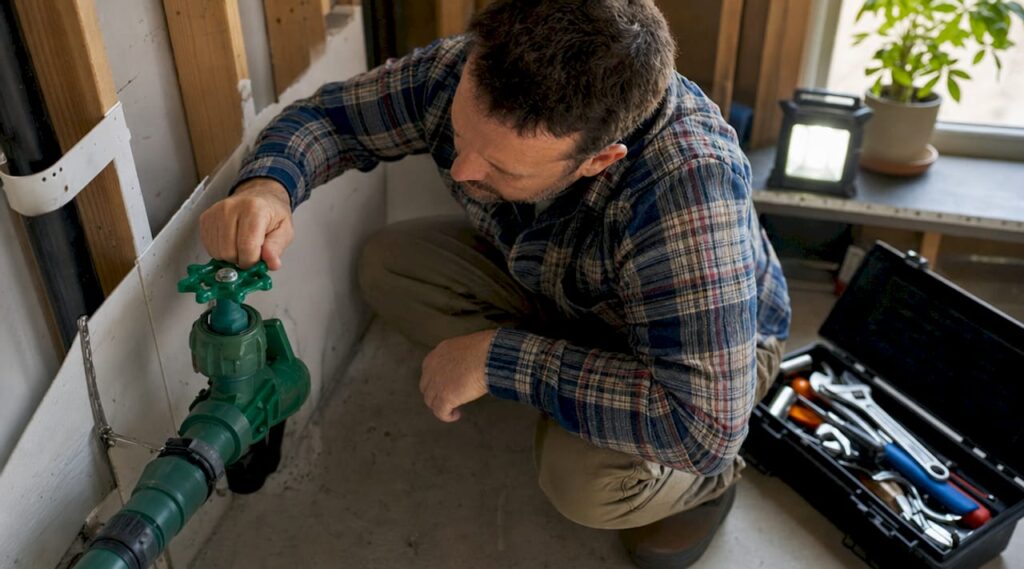
1. Shut off your water supply immediately
Finding the shutoff valve matters more than finding the exact source of the leak. Close the main shutoff first, then figure out what broke. Every second of delay adds more water volume to your floors, walls, and subfloor.
Your main shutoff valve is typically located in one of these spots:
- Basement or crawl space: Near the front foundation wall, where the supply line enters from the street
- Utility room: Adjacent to the water heater or pressure tank
- Outside: At the curb box near the sidewalk, operated with a utility key
Gate valves require multiple full turns to close. Ball valves close with a single quarter turn. If you have a gate valve and it resists turning, do not force it. Shut off at the curb instead.
After closing the main valve, open the lowest faucet in your home, typically a basement utility sink or a first floor bathroom faucet. This drains residual pressure from the supply lines and reduces the volume still pushing through the damaged section.
Pro Tip: Walk your home once a year, locate every shutoff valve, and label each one with a waterproof marker. A $2 marker and 20 minutes of prep can save you critical seconds during a real emergency.
2. Cut power if water is near electrical sources
Water and electricity together create a life-threatening hazard that many homeowners underestimate until it is too late. Cut power at the breaker for any area where water is near outlets, appliances, or the electrical panel. Do this only if you can reach the breaker box from dry ground.
If the breaker panel is in a flooded area, do not enter. Call PSE&G or your local New Jersey utility company and ask them to cut power at the meter. This is a free emergency service and the only safe option when water has reached the panel.
Never stand in standing water before confirming the power is off. Even a small amount of current traveling through water can cause cardiac arrest. This step is non-negotiable.
3. Identify structural hazards before entering the space
A sagging or bubbling ceiling means water has pooled above the drywall. That ceiling can collapse without warning, dropping gallons of water and debris on anyone below. If you see visible bulging, stay out of the room until you can safely address it.
Warped or soft flooring is another warning sign. Water-saturated subfloor can give way underfoot, especially in older New Jersey homes with wood framing. Test the floor with one foot before committing your full weight.
If the leak originates from a sewage line or septic system, treat the entire affected area as a biohazard. Category 3 contamination carries the highest health risk and requires rubber gloves, waterproof boots, and an N95 mask at minimum. For NJ properties with older sewer infrastructure, this scenario is more common than most homeowners expect. Review the NJ property backflow guide for specifics on sewage contamination risks.
4. Document everything before you touch anything
Photographing damage before cleanup is not optional if you plan to file an insurance claim. Cleaning before documenting leads to denied claims or reduced payouts because adjusters cannot verify the scope of damage after the fact.
Shoot photos of the water source, all wet surfaces, damaged contents, and any visible structural issues. Then record a video walkthrough of every affected room. Video captures scope and context that still photos miss, particularly for large areas like finished basements.
Do not discard any damaged items until your insurance adjuster has reviewed the claim. Even ruined carpet and furniture serve as physical evidence of loss.
5. Contain and remove standing water fast
Mopping standing water within the first hour reduces mold growth risk significantly. Mold begins colonizing saturated materials within 24 to 48 hours, so speed here directly affects your long-term repair costs.
Use towels, mops, and buckets to soak up and remove as much water as possible. Move furniture, electronics, and valuables to dry areas before water reaches them. If a ceiling is bulging, use a screwdriver to puncture it at a controlled point over a bucket. This releases the pooled water in a manageable stream rather than waiting for a full collapse.
A wet/dry vacuum like those made by Shop-Vac or Ridgid removes water from hard floors and low-pile carpet faster than any mop. Run it in overlapping passes and empty the tank frequently.
Pro Tip: Place aluminum foil squares under furniture legs to prevent rust and tannin stains from transferring to wet carpet while you work.
Water you cannot see is more dangerous than water you can. Moisture trapped inside walls, under flooring, and in insulation feeds mold long after the surface looks dry.
6. Improve airflow and start drying the space
Open windows and exterior doors if outdoor humidity is lower than indoor humidity. In New Jersey summers, outdoor air can actually be more humid than indoor air, which would make this counterproductive. Check the weather before opening up.
Run ceiling fans and any portable fans you have to move air across wet surfaces. Household fans alone are not enough for serious leaks. Surface drying does not remove moisture trapped in walls, subfloor, and insulation, where mold actually grows. Professional restoration companies use industrial air movers and desiccant dehumidifiers that pull moisture from structural materials, not just the air.
IICRC-certified restoration companies provide the most reliable outcomes for drying and mold prevention after significant leaks. Calling one within the first few hours, even just for an assessment, can prevent a repair bill that doubles or triples in scope.
7. Apply temporary fixes to stop active leaks
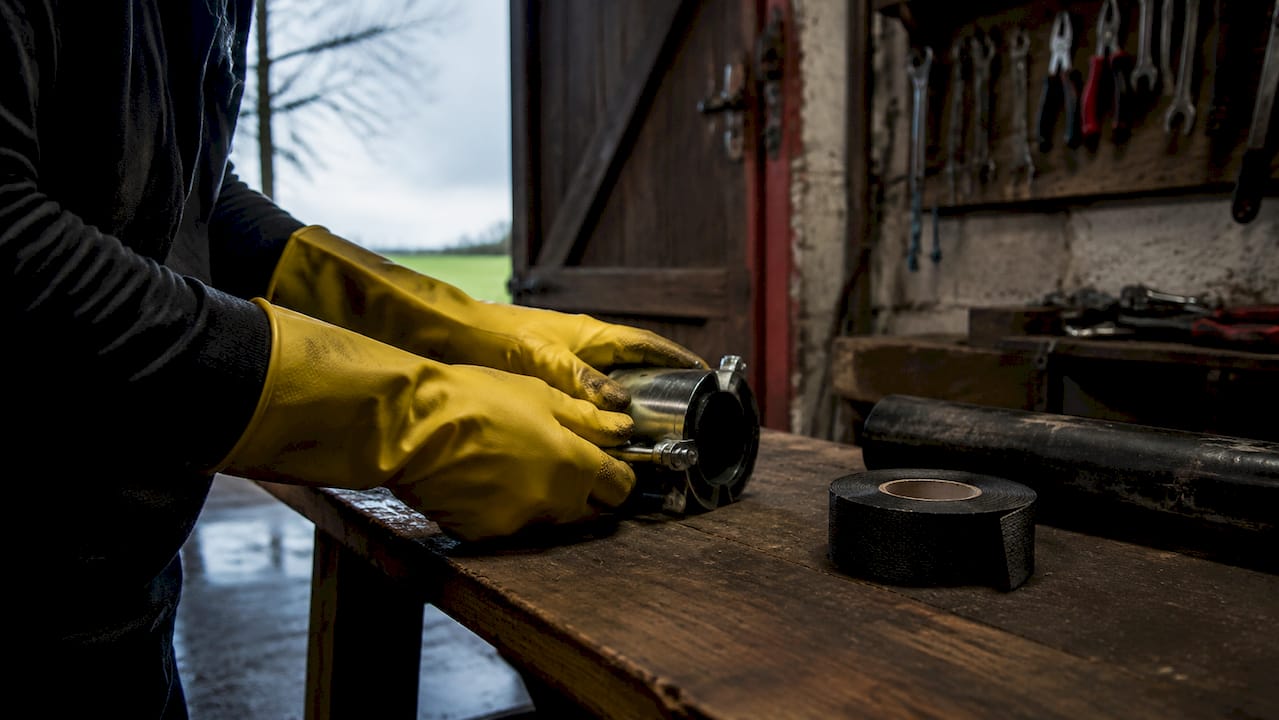
Temporary repairs buy you time between the emergency and a licensed plumber’s arrival. Three materials work reliably as stopgap solutions:
- Pipe repair clamps: Metal clamps with a rubber gasket that compress over the damaged section. They work on copper, PVC, and galvanized pipe and hold under normal household pressure.
- Self-fusing silicone tape: Wraps tightly around small cracks or pinhole leaks. It bonds to itself, not the pipe, so it works on wet surfaces better than standard tape.
- Epoxy putty: A two-part compound you knead together and press over the leak. It cures in minutes and handles both metal and plastic pipe.
Temporary fixes fail when applied to a pressurized, wet pipe. Shut off the water supply, open a faucet to drain residual pressure, and dry the pipe surface with a rag before applying any repair material. Skipping these steps risks enlarging the leak when pressure returns.
These materials are available at Home Depot, Lowe’s, and most hardware stores in New Jersey for under $20. They are not permanent repairs. A licensed plumber must inspect and replace the damaged section within days.
| Repair method | Best for | Limitations |
|---|---|---|
| Pipe repair clamp | Splits and cracks on straight pipe runs | Requires access to full pipe circumference |
| Self-fusing silicone tape | Pinhole leaks and joint seeps | Not rated for high-pressure main lines |
| Epoxy putty | Irregular surfaces and fittings | Needs 10 to 60 minutes cure time before repressurizing |
Key takeaways
The most effective response to a water leak emergency follows a strict sequence: shut off water first, eliminate electrical hazards second, then contain and document damage before any cleanup begins.
| Point | Details |
|---|---|
| Shut off water immediately | Locate the main valve before an emergency occurs and close it the moment a leak is discovered. |
| Power off near water | Cut the breaker for affected areas or call your utility company if the panel is inaccessible. |
| Document before cleaning | Photograph and video all damage before moving or discarding anything to protect your insurance claim. |
| Act within the first hour | Removing standing water within 60 minutes directly reduces mold risk, which starts within 24 to 48 hours. |
| Temporary fixes need prep | Dry and depressurize the pipe before applying clamps, tape, or epoxy or the repair will fail. |
What I’ve learned from watching homeowners respond to leaks
I’ve seen the same pattern repeat itself too many times. A homeowner discovers a leak, grabs towels, and starts mopping. They never touch the shutoff valve. By the time they realize the water is still flowing, the damage has tripled.
The sequential approach is not intuitive. Your instinct is to address the visible mess first. But stopping the source is always the first move, even if the leak looks small. Small leaks become large ones fast, especially in older New Jersey homes where pipe conditions are unpredictable.
The electrical hazard is the most underestimated risk I see. People walk through standing water without a second thought, not realizing a submerged outlet or appliance cord can energize the entire puddle. Electrical safety in water emergencies is not overcaution. It is the step that keeps people alive.
My honest advice: call an IICRC-certified restoration company within the first two hours of any significant leak, even if you think you have it under control. The moisture you cannot see is the moisture that costs you the most six weeks later when mold remediation adds $10,000 to your repair bill. DIY drying has a ceiling, and most homeowners hit it faster than they expect.
Know your home’s plumbing safety risks before an emergency forces you to learn them under pressure.
— Jordan
How Southjerseybackflow helps NJ homeowners stay protected
Water leaks are often symptoms of larger water system problems, including failed backflow preventers that allow contaminated water to enter your supply lines.

Southjerseybackflow serves homeowners and property managers across New Jersey with certified backflow testing, inspection, and repair services. If your home has experienced a water leak involving sewage or supply line contamination, a backflow inspection is a critical next step. Learn how backflow testing in New Jersey works and what compliance requires for your property. Southjerseybackflow also serves specific counties including Ocean County residents needing local backflow services. Contact Southjerseybackflow to schedule an inspection and protect your water system before the next emergency.
FAQ
What is the first thing to do when a pipe bursts?
Shut off the main water supply valve immediately. A burst pipe can release 2 to 8 gallons per minute, so stopping flow is the top priority before any other action.
How do I stop a water leak temporarily?
Apply a pipe repair clamp, self-fusing silicone tape, or epoxy putty after shutting off the water and drying the pipe surface. These materials are available at most hardware stores and hold until a licensed plumber makes a permanent repair.
Is it safe to stay in a home with a water leak?
It depends on the source. Clean water leaks from supply lines are manageable with proper precautions, but sewage or septic leaks are Category 3 biohazards requiring protective gear and professional cleanup. Always cut power to affected areas before entering.
When should I call a professional restoration company?
Call within the first two hours of any significant leak. IICRC-certified companies use industrial drying equipment that removes moisture from inside walls and subfloor, where mold grows even after surfaces appear dry.
Does homeowner’s insurance cover water leak damage?
Most standard policies cover sudden and accidental water damage but not gradual leaks or flood events. Document all damage with photos and video before cleanup to support your claim and avoid denial.