
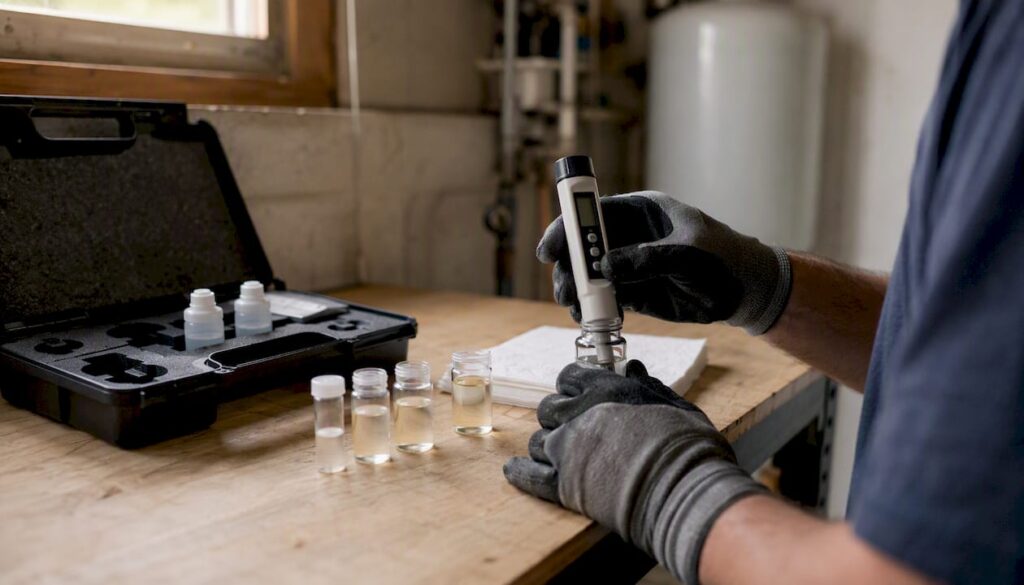
The most common examples of water contaminants include arsenic, lead, nitrate, PFAS (per- and polyfluoroalkyl substances), E. coli, Giardia, disinfection byproducts such as trihalomethanes, and radiological contaminants like uranium and radon. Finding one of these in a water test doesn’t automatically mean danger. As the EPA notes, presence alone doesn’t imply a health risk — concentration and exposure context are what matter. Regulatory bodies like the EPA and CDC set Maximum Contaminant Levels (MCLs) to define what’s safe.
Here’s what to do right now:
- Check your Consumer Confidence Report (CCR): Municipal water suppliers mail this annually. It lists detected contaminants and whether they exceeded any limits.
- Order a certified lab test: For private wells, or if you want more detail than the CCR provides, request testing from a state-certified lab. Ask specifically for lead, arsenic, nitrates, PFAS, and microbial indicators.
- Don’t rely on your senses: Many hazardous contaminants are completely odorless, tasteless, and invisible — PFAS and certain radionuclides being prime examples.
- If you suspect backflow or cross-connection issues: Contact a certified backflow tester. Southjerseybackflow handles testing, certification, and repair for residential and commercial properties across New Jersey.
Pro Tip: Clear, odorless water is not proof of safety. Lab testing is the only reliable way to confirm what’s actually in your water.
Key Takeaways
Water contaminants span four categories — chemical, biological, radiological, and physical — and the only reliable way to know what’s in your water is certified lab testing, not sensory inspection.
| Point | Details |
|---|---|
| Testing is non-negotiable | Taste, odor, and appearance cannot detect PFAS, arsenic, uranium, or many pathogens. |
| Category determines treatment | A UV filter kills bacteria but won’t touch lead; reverse osmosis handles both chemicals and some pathogens. |
| Boiling has limits | Boiling removes biological threats but concentrates chemical contaminants like lead, arsenic, and nitrate. |
| Backflow is a post-treatment risk | Cross-connections and pressure drops can introduce contaminants after water leaves the treatment plant. |
| Check your CCR and test wells annually | Municipal customers should review their CCR; private well owners need annual coliform and nitrate tests at minimum. |
Table of Contents
- The four categories of water contaminants and why they matter
- 10 examples of water contaminants: profiles, sources, and what to do
- How contaminants get into your water
- Health effects and who faces the greatest risk
- How to find out what’s in your water
- How to reduce or remove contaminants from your water
- Backflow and cross-connections: a preventable contamination source
- An editorial perspective on water testing and what people get wrong
- Sources
The four categories of water contaminants and why they matter
The EPA classifies drinking water contaminants into four categories: physical, chemical, biological/microbial, and radiological. The category a contaminant falls into determines how it’s tested, how it affects health, and which treatment technology will actually remove it. A UV filter kills bacteria but does nothing for lead. Reverse osmosis removes arsenic but won’t disinfect a microbial outbreak. Knowing the category is the first step toward choosing the right response.
- Physical: Sediment, turbidity, and particulate matter. These affect water clarity and can carry other contaminants. Detected visually or with turbidity meters.
- Chemical: Lead, arsenic, nitrate, PFAS, pesticides, and industrial solvents. Detected through lab analysis. Removal depends on the specific chemical.
- Biological/Microbial: Bacteria (E. coli), protozoa (Giardia, Cryptosporidium), and viruses (Norovirus). Detected through coliform testing and specific pathogen assays.
- Radiological: Uranium, radon, radium. Naturally occurring in many aquifers. Require specialized testing and specific removal technologies.
| Category | Typical Test | Common Removal Approach |
|---|---|---|
| Physical | Turbidity meter, visual inspection | Sediment filters, coagulation/flocculation |
| Chemical | Certified lab analysis (ICP-MS, chromatography) | Activated carbon, reverse osmosis, ion exchange |
| Biological/Microbial | Total coliform, E. coli, pathogen-specific tests | Disinfection (chlorine, UV), filtration |
| Radiological | Alpha/beta particle testing, radon test kits | Reverse osmosis, aeration, ion exchange |
10 examples of water contaminants: profiles, sources, and what to do
The contaminants below represent both legacy pollutants (long-regulated, well-understood) and emerging ones. Each profile covers what it is, where it comes from, the primary health concern, and one practical next step. USGS groundwater contamination data and CDC tap water chemical profiles inform these summaries.
1. Arsenic
A naturally occurring metalloid found in rock and soil formations, arsenic leaches into groundwater in many parts of the western U.S. and New England. Long-term exposure is linked to bladder, lung, and skin cancers, as well as cardiovascular effects. Private well owners in high-risk regions should test annually. Reverse osmosis or activated alumina filters are the most effective point-of-use removal options.
2. Lead
Lead enters water almost entirely through plumbing, not the source water itself. Older service lines, lead solder in pipes installed before 1986, and some brass fixtures are the main culprits. Children under six are most vulnerable: even low-level exposure can impair neurodevelopment. There is no safe level of lead in children’s blood. If your home was built before 1986, order a lead test from a certified lab and consider a certified pitcher or under-sink filter rated for lead removal while you investigate the plumbing.
3. Nitrate and nitrite
Nitrate comes primarily from fertilizer runoff, animal waste, and septic system leachate. It’s one of the most widespread agricultural contaminants in rural groundwater. The acute danger is for infants under six months: high nitrate levels cause methemoglobinemia (“blue baby syndrome”), a condition where the blood can’t carry oxygen efficiently. Boiling water does not remove nitrate and actually concentrates it. Reverse osmosis or ion exchange are the reliable removal methods.
4. PFAS
Per- and polyfluoroalkyl substances are a class of thousands of synthetic chemicals used in nonstick coatings, food packaging, and firefighting foam (AFFF). They’re called “forever chemicals” because they don’t break down in the environment or the human body. Levels tend to be highest near manufacturing sites, military bases, and airports where AFFF was used. Possible health effects include immune system disruption, thyroid issues, and developmental effects in children. A CDC review of legacy and emerging contaminants identifies PFAS as a priority concern due to infrastructure and regulatory gaps. Granular activated carbon (GAC) and reverse osmosis can reduce PFAS levels.
5. E. coli
Escherichia coli is a bacterial indicator of fecal contamination. Its presence in drinking water signals that sewage, animal waste, or a failing septic system has reached the water supply. Most strains cause gastrointestinal illness; E. coli O157:H7 can cause severe kidney damage. Boiling water for at least one minute kills E. coli. For ongoing protection, UV disinfection or chlorination is standard.
6. Giardia
Giardia is a microscopic protozoan parasite shed in the feces of infected humans and animals. It forms hardy cysts that survive in cold water and resist standard chlorination at typical doses. Symptoms include prolonged diarrhea, cramping, and fatigue, appearing one to three weeks after exposure. Filtration with an absolute 1-micron filter or reverse osmosis removes Giardia cysts reliably. UV treatment also inactivates them.
7. Disinfection byproducts (trihalomethanes)
When chlorine or other disinfectants react with naturally occurring organic matter in water, they form disinfection byproducts (DBPs). Trihalomethanes (THMs) like chloroform are the most studied. Long-term exposure at elevated levels has been associated with increased cancer risk and adverse reproductive outcomes. THMs are regulated under the EPA’s Stage 2 Disinfectants and Disinfection Byproducts Rule. Activated carbon filters reduce THM levels at the tap.
8. Uranium
Uranium occurs naturally in rock and soil and dissolves into groundwater, particularly in the western U.S. and parts of the Midwest. It poses both chemical toxicity (kidney damage) and a low-level radiological risk. Private well owners in uranium-prone geology should include it in their testing panel. Reverse osmosis and ion exchange are effective removal methods.
9. Radon
Radon is a radioactive gas that forms from the decay of uranium in soil and rock. It dissolves into groundwater and can be released into indoor air when water is used for showering or cooking. Inhalation is the primary exposure route and the main cancer risk. Aeration systems are the most effective treatment for radon in water; point-of-use activated carbon filters can also reduce levels but require careful disposal of the spent media.
10. Emerging contaminants: pharmaceuticals and microplastics
Pharmaceuticals enter water through human excretion, improper disposal, and agricultural runoff from livestock operations. Microplastics come from plastic degradation, synthetic textiles, and stormwater runoff. Neither class is currently regulated under federal MCLs, which means they won’t show up as violations in a CCR even if present. Research into their health effects is ongoing. Reverse osmosis is the most effective point-of-use option for reducing both.
Pro Tip: Boiling kills biological contaminants but does nothing for chemical ones. It can actually concentrate lead, arsenic, nitrate, and PFAS by reducing water volume. For chemical contamination, boiling is not a solution.
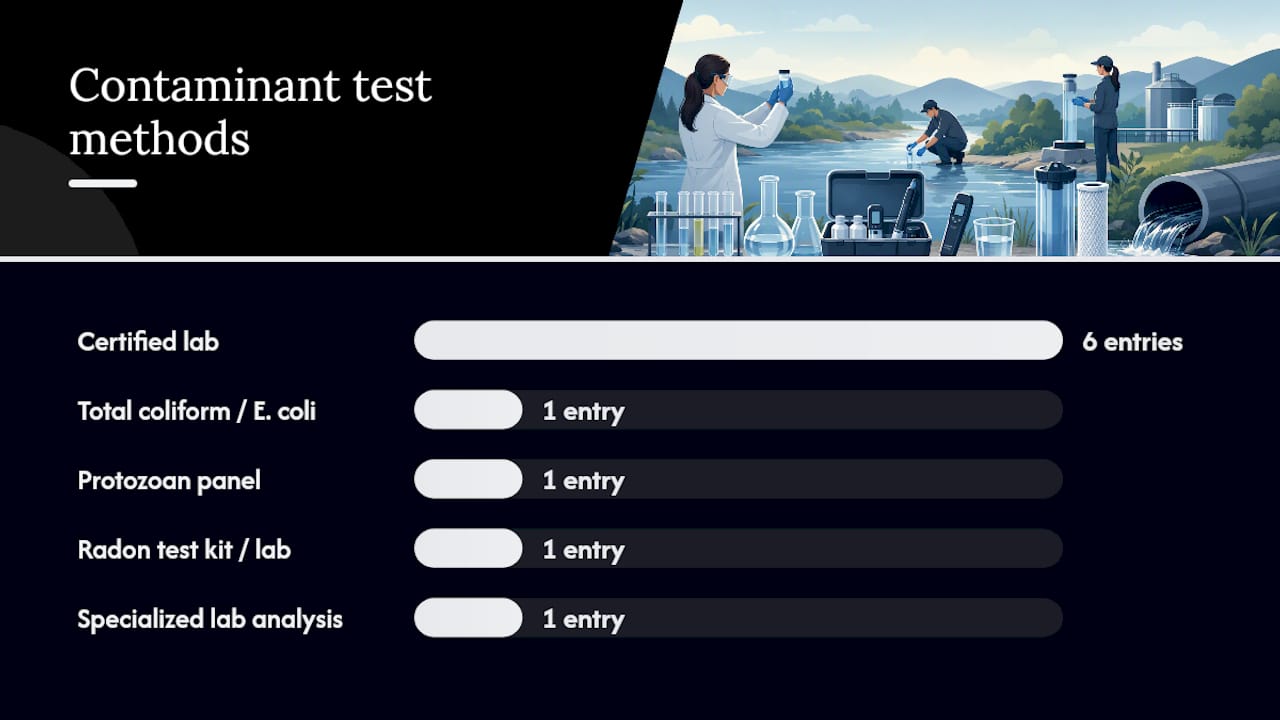
| Contaminant | Primary Source | Key Health Concern | Best Test Method |
|---|---|---|---|
| Arsenic | Natural rock deposits, mining | Cancer (bladder, lung, skin) | Certified lab (ICP-MS) |
| Lead | Plumbing, old service lines | Neurodevelopmental harm in children | Certified lab (ICP-MS) |
| Nitrate | Fertilizer runoff, septic systems | Methemoglobinemia in infants | Certified lab (ion chromatography) |
| PFAS | Manufacturing, AFFF firefighting foam | Immune and developmental effects | Certified lab (EPA Method 533/537.1) |
| E. coli | Fecal contamination, sewage | Gastrointestinal illness, kidney damage | Total coliform / E. coli test |
| Giardia | Animal/human fecal matter | Prolonged diarrhea, cramping | Protozoan/parasite panel |
| Trihalomethanes | Chlorination of organic matter | Long-term cancer risk | Certified lab (DBP panel) |
| Uranium | Natural rock deposits | Kidney damage, radiological risk | Certified lab (radiological panel) |
| Radon | Uranium decay in soil/rock | Lung cancer (via inhalation) | Radon-in-water test kit or lab |
| Pharmaceuticals/Microplastics | Excretion, disposal, runoff | Under investigation | Specialized lab analysis |
How contaminants get into your water
Contamination can enter at any point from the original source to your tap. Understanding the pathway helps you identify the most likely risk for your specific situation.
Point sources vs. nonpoint sources
Point source pollution comes from a single, identifiable discharge point: a factory pipe, a sewage overflow, a leaking underground storage tank. Nonpoint source pollution is diffuse. According to the EPA, agricultural runoff, urban stormwater, and mine drainage are the leading causes of water quality degradation nationally, carrying fertilizers, pesticides, animal waste, oil, and road salt into waterways. Nonpoint sources are harder to trace and more expensive to manage because they come from across an entire watershed, not a single pipe.
Common contamination pathways:
- Agricultural runoff: Fertilizers and pesticides wash into streams and infiltrate groundwater after rain events, raising nitrate and pesticide levels.
- Aging infrastructure: Corroded pipes and deteriorating service lines leach lead and copper directly into tap water after treatment. CDC guidance identifies aging infrastructure as a primary contamination driver.
- Failing septic systems: A failing or overloaded septic tank can push nitrates, bacteria, and pathogens into nearby groundwater.
- Flooding: Floodwater mixes surface runoff, sewage, and soil contaminants, overwhelming treatment systems and contaminating wells. Plumbing issues linked to flooding can also introduce contaminants — common tenant plumbing complaints often spike after flood events.
- Industrial sites: Nearby manufacturing, dry cleaning, or mining operations can release solvents, heavy metals, or PFAS into soil and groundwater.
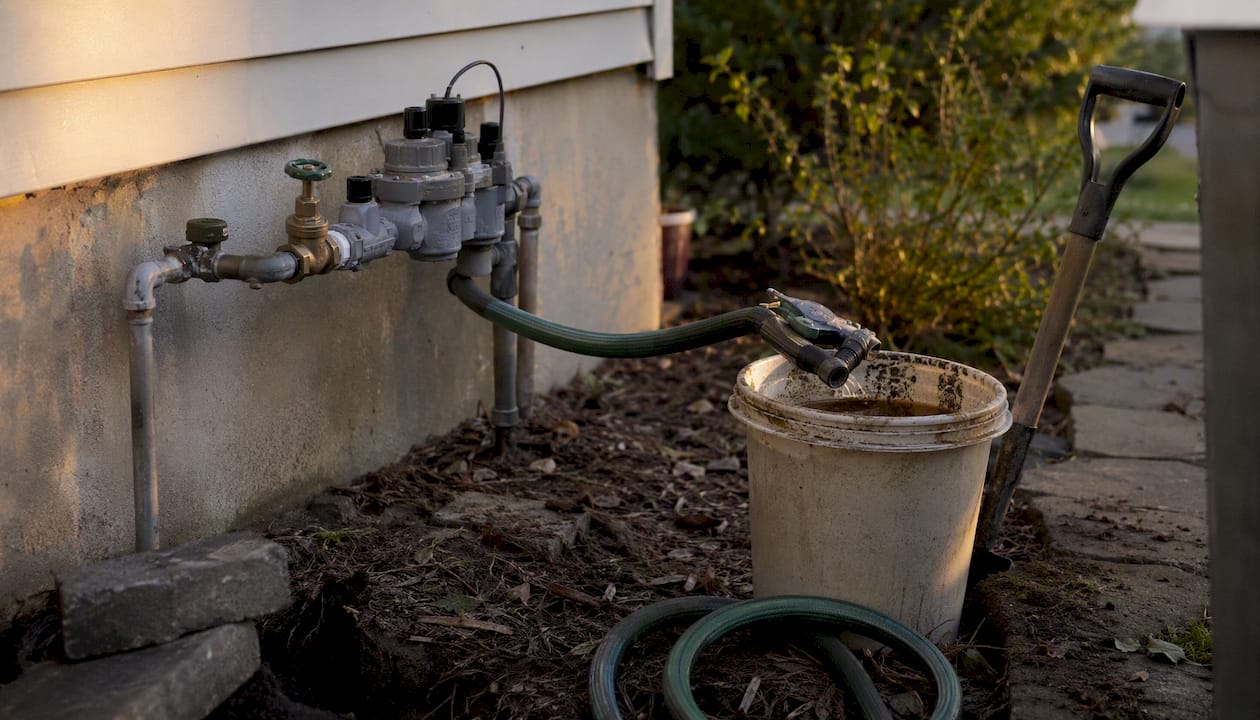
- Backflow and cross-connections: When water pressure drops or reverses in a building’s plumbing, contaminated water from irrigation systems, boilers, or chemical lines can flow backward into the potable supply. This is a post-treatment contamination risk that occurs inside the building, not at the source.
Health effects and who faces the greatest risk
Not every exposure causes harm, but certain contaminants at certain concentrations can cause serious, lasting damage. The timeline matters too: microbial contamination causes acute illness within days, while heavy metals and radionuclides accumulate over years before symptoms appear.
Contaminant-to-health-outcome map:
- Lead: Neurodevelopmental impairment in children, hypertension and kidney disease in adults
- Arsenic: Bladder, lung, and skin cancers with chronic exposure; peripheral neuropathy
- Nitrate: Methemoglobinemia in infants; possible colorectal cancer risk with long-term adult exposure
- PFAS: Possible immune suppression, thyroid disruption, developmental effects, and some cancer associations
- E. coli / Giardia / Cryptosporidium: Acute gastrointestinal illness; severe outcomes in vulnerable individuals
- Trihalomethanes: Elevated cancer risk and adverse reproductive outcomes with long-term exposure
- Uranium/Radon: Kidney damage (uranium); lung cancer risk from radon inhalation
Vulnerable groups who should prioritize testing:
- Infants and young children (especially for lead and nitrate)
- Pregnant people (lead, nitrate, PFAS)
- Elderly individuals with reduced kidney function (uranium, arsenic)
- Immunocompromised people (microbial contaminants, Cryptosporidium in particular)
- Private well owners in agricultural or industrial areas
The dose makes the poison, but you can’t guess the dose by looking at the water. Many of the most dangerous contaminants — PFAS, arsenic, uranium, certain microbes — produce no taste, odor, or color change at harmful concentrations. Sensory inspection is not a safety check. Testing is.
How to find out what’s in your water
Understanding MCLs and the legacy vs. emerging gap
The EPA sets Maximum Contaminant Levels (MCLs) for regulated substances. If a public water system exceeds an MCL, it must notify customers and take corrective action. Legacy contaminants like lead, arsenic, and nitrate have established MCLs. Emerging contaminants like PFAS and most pharmaceuticals are a different story. A CDC analysis of legacy and emerging contaminants highlights the regulatory lag: PFAS only recently received federal MCLs, and many pharmaceuticals have none. A clean CCR doesn’t mean those substances are absent — it means they weren’t tested for, or aren’t yet regulated.
Step-by-step: how to check your water
- Get your Consumer Confidence Report (CCR): Municipal suppliers are required to provide this annually. Find it on your supplier’s website or request a copy directly. It lists detected contaminants and whether any exceeded limits.
- Identify your water source: Municipal supply, private well, or shared community well. Private well owners are entirely responsible for their own testing — there is no regulatory body monitoring their water.
- Order tests from a state-certified lab: Search the EPA’s Safe Drinking Water Hotline (1-800-426-4791) or your state health department for certified labs. Specify the analytes you want tested.
- Request the right tests by contaminant group:
- Lead and heavy metals: ICP-MS panel
- Nitrate/nitrite: Ion chromatography
- PFAS: EPA Method 533 or 537.1
- Microbial: Total coliform and E. coli
- Radiological: Alpha/beta particle screen, then specific radionuclide panel if elevated
- Test private wells regularly: At minimum, test annually for coliform bacteria and nitrate. Test for additional contaminants (heavy metals, PFAS, pesticides) every three to five years, or after flooding, nearby construction, or changes in taste or odor.
- Check for aging well components: EPA research on submersible well pumps found that older pump components with leaded brass parts can leach lead into well water — a risk many private well owners overlook entirely.
- For municipal water: check your CCR first, then order supplemental testing for PFAS and lead if your home has older plumbing.
- For private wells: schedule annual testing and inspect well components for age and condition.
How to reduce or remove contaminants from your water
Treatment technology is not one-size-fits-all. The right system depends on which contaminants are present, at what levels, and whether you need whole-house protection or just at the tap.
Point-of-use vs. point-of-entry
Point-of-use (POU) systems treat water at a single tap: under-sink reverse osmosis units, countertop filters, and pitcher filters. They’re cost-effective for drinking and cooking water but don’t protect shower water or appliances. Point-of-entry (POE) systems treat all water entering the home, which matters for contaminants absorbed through skin or inhaled in steam, like radon or certain volatile organic compounds.
- Identify your contaminants first. No filter removes everything. Buying a filter before testing is guesswork.
- Look for NSF/ANSI certification. NSF International certifies filters against specific contaminants. NSF/ANSI 58 covers reverse osmosis; NSF/ANSI 53 covers activated carbon for specific chemicals including lead.
- Replace filter media on schedule. An expired filter can release accumulated contaminants back into your water. Follow the manufacturer’s replacement interval, not just the taste of the water.
- Retest after installation. Confirm the filter is actually reducing the target contaminant to acceptable levels.
Pro Tip: Activated carbon filters handle many organic chemicals and can reduce PFAS, but they won’t remove lead unless specifically certified for it (NSF/ANSI 53). For lead, pair activated carbon with reverse osmosis or use a filter explicitly certified for lead reduction.
Pro Tip: Boiling is effective against biological threats but concentrates chemical contaminants. Never boil water to address lead, arsenic, nitrate, or PFAS — it makes those problems worse, not better.
Backflow and cross-connections: a preventable contamination source
Most people think about contamination at the source: a polluted river, a leaking landfill, agricultural runoff. But contamination can also enter your building’s water supply after it’s been treated and delivered, through a mechanism called backflow.
What backflow is and why it matters
A cross-connection is any physical link between a potable water line and a non-potable source: an irrigation system, a boiler, a chemical injection line, or even a garden hose submerged in a bucket of fertilizer solution. Under normal conditions, water pressure keeps flow moving in one direction. When pressure drops — during a water main break, heavy firefighting demand, or a pump failure — water can reverse direction, pulling whatever is in that cross-connected line back into the potable supply.
Consider a commercial property with an irrigation system connected to the building’s water supply without a properly functioning backflow preventer. A pressure drop during a nearby main repair could draw fertilizer-laced irrigation water back into the building’s drinking water lines. The occupants wouldn’t know until someone got sick or a routine test flagged it.
Signs that backflow risk may be present in your building:
- Irrigation systems, boilers, or fire suppression lines connected to the potable supply
- No backflow preventer installed, or one that hasn’t been tested in over a year
- Unexplained changes in water taste, odor, or color after a pressure event
- A compliance notice from your water authority requiring a backflow test
Pro Tip: Backflow preventers require annual testing to confirm they’re functioning correctly. A preventer that fails silently offers no protection. If you’ve received a compliance notice or haven’t had your device tested recently, preventing backflow contamination starts with a certified inspection.
Southjerseybackflow provides backflow testing and certification for residential and commercial properties across New Jersey, including direct filing of test reports with water authorities. If you’ve received a backflow compliance letter, the process is straightforward with the right certified tester handling the paperwork.

An editorial perspective on water testing and what people get wrong
Most people treat water safety as a binary: either the water is safe or it isn’t. The reality is more nuanced and, in some ways, more unsettling. A water supply can pass every regulated test and still contain PFAS at levels that concern toxicologists, or pharmaceuticals that no current MCL addresses. The regulatory framework is built on what we’ve known long enough to regulate, not on everything that’s present.
The other thing people consistently underestimate is the plumbing between the treatment plant and the tap. Source water quality gets the headlines. But lead contamination in Flint, Michigan, wasn’t a source water problem — it was a distribution and plumbing problem. Backflow events, corroded service lines, and aging building plumbing can introduce contaminants into water that was perfectly clean when it left the treatment facility.
Testing is the only honest answer. Not a filter you bought because it sounded good, not a visual check, not the fact that your neighbors seem fine. A certified lab test, targeted to the contaminants most likely in your area and your specific plumbing situation, is the only way to know what you’re actually drinking. For property owners in New Jersey dealing with backflow compliance or cross-connection concerns, Southjerseybackflow is a practical local resource worth contacting before a problem becomes a violation.
Sources
The following authoritative resources are the best starting points for verifying claims, finding certified labs, and understanding contaminant-specific guidance:
- Types of Drinking Water Contaminants | US EPA
- What Causes Tap Water Contamination | Drinking Water | CDC
- Contamination of groundwater — USGS Water Science School
- US drinking water quality: exposure risk profiles for seven legacy and emerging contaminants
- Basic information about nonpoint source (NPS) pollution | US EPA
This article is general information, not a substitute for advice from a qualified doctor. Consult a qualified healthcare professional about your own circumstances before acting on anything here.