
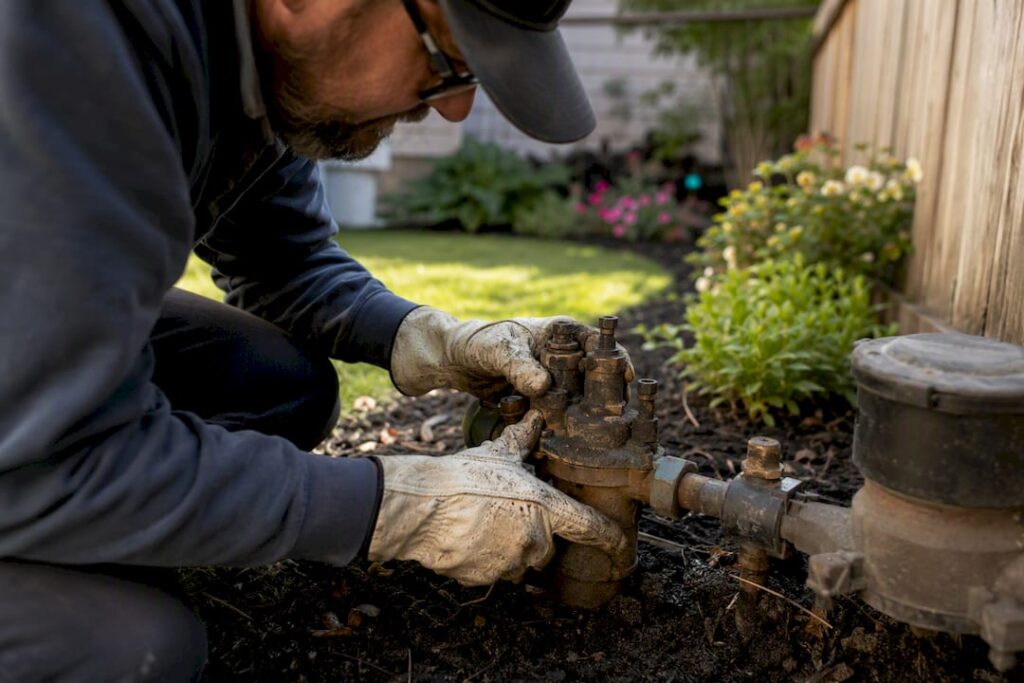
Proactive maintenance cuts unplanned downtime, extends asset life, and lowers long-term maintenance cost. That’s the finding across multiple industry studies, though the actual return depends heavily on how well a program is run. Facility-focused research shows well-executed preventive programs cutting maintenance costs by 12 to 18 percent and slashing downtime by half. The catch: you pay upfront for sensors, software, and training before you see any of it back.
The core advantages of proactive maintenance break down into a short list:
- Fewer unplanned outages and emergency repair calls
- Longer service life on pumps, motors, valves, and mechanical assets
- Lower total lifecycle cost versus running equipment to failure
- Better safety outcomes and fewer compliance violations
- Higher product and process quality, with fewer defects
- Smoother parts inventory and labor scheduling
- Measurable gains in uptime and overall equipment effectiveness
The tradeoff is real: expect a slower payback in year one, with ROI ranging anywhere from modest to as high as 10 to 1 in the best-documented cases, depending on asset criticality and how disciplined the rollout is.
Key Takeaways
| Point | Details |
|---|---|
| Downtime drops fast | Preventive programs cut downtime by up to 50 percent versus reactive baselines. |
| Asset life extends significantly | Well-run programs extend equipment life by 20 to 40 percent, delaying capital replacement. |
| Cost is the top barrier | NIST research identifies upfront cost as the most cited obstacle to adoption. |
| Start small and measure | Pilot on 5 critical assets for 90 days before scaling the program company-wide. |
| Backflow devices need scheduled testing | Southjerseybackflow provides testing, certification, and rebuilding for backflow preventers across New Jersey, filing reports directly with water authorities. |
Table of Contents
- What Is Proactive Maintenance, and How Does It Differ From Reactive Repairs?
- What Are the Main Types of Proactive Maintenance?
- How Does Proactive Maintenance Improve Reliability and Cut Costs?
- What Does Proactive Maintenance Cost, and What Slows Adoption?
- How Do You Start a Proactive Maintenance Program?
- What KPIs Show Whether Proactive Maintenance Is Working?
- What Do Proactive Maintenance Results Look Like by Industry?
- How Does Proactive Maintenance Apply to Backflow Preventers?
- Where Do Proactive Maintenance Programs Usually Go Wrong?
- When Does It Make Sense to Bring in a Backflow Specialist?
- Sources
What Is Proactive Maintenance, and How Does It Differ From Reactive Repairs?
Proactive maintenance means servicing equipment on a schedule or based on its actual condition, before it breaks, instead of waiting for a failure and then scrambling to fix it. Reactive maintenance is the opposite: you run equipment until it fails, then repair or replace it. Neither approach is inherently wrong for every asset. A cheap sensor with no safety implications might be fine to run to failure. A backflow preventer protecting a public water supply is not.
| Factor | Proactive maintenance | Reactive maintenance |
|---|---|---|
| Timing | Scheduled or condition-triggered | After failure occurs |
| Cost profile | Predictable, spread over time | Spiky, often includes overtime and rush parts |
| Downtime | Planned, minimized | Unplanned, often extended |
| Planning | Requires data and scheduling | Minimal planning needed |
| Best-fit assets | Critical, expensive, or safety-related equipment | Low-cost, redundant, non-critical items |
A backup light fixture is a reasonable candidate for run-to-failure. A commercial boiler, an elevator, or a backflow assembly tied to regulatory compliance is not.
What Are the Main Types of Proactive Maintenance?
Proactive maintenance isn’t one method. It’s a family of approaches, and picking the right one depends on your budget, the criticality of the asset, and how much data you can actually collect.
- Preventive maintenance services equipment at fixed intervals (time or usage-based) regardless of its current condition. Example: replacing a filter every 90 days.
- Condition-based maintenance triggers work when a measured parameter crosses a threshold. Example: servicing a bearing once vibration readings exceed a set limit.
- Predictive maintenance uses sensor data and trend analysis to forecast failure before it happens. Example: an algorithm flagging a motor for service based on rising temperature trends over weeks.
- Prescriptive maintenance goes a step further, recommending the specific corrective action, not just the timing. Example: a system that tells a technician exactly which component to replace and in what sequence.
- Reliability-Centered Maintenance (RCM) and Total Productive Maintenance (TPM) are broader frameworks that decide which strategy fits each asset and build a culture of shared ownership over equipment health.
If you have limited data and a tight budget, start with preventive maintenance. If you have sensors and a data team, condition-based or predictive approaches pay off faster on your most critical assets.
How Does Proactive Maintenance Improve Reliability and Cut Costs?
Each advantage traces back to a specific mechanism, not just a general feeling that “maintenance is good.”
Improved uptime and availability. Scheduling work during planned windows instead of emergencies keeps production lines and building systems running when you need them. Facilities that shift to preventive maintenance report downtime reductions of up to 50 percent compared to reactive baselines.
Reduced unplanned downtime and emergency repair cost. Emergency repairs cost more because they involve overtime labor, rush shipping on parts, and often more extensive damage than a routine fix would have caught early. One industry comparison found reactive-maintenance facilities experience 3.3 times more downtime and 16 times more defects than facilities running structured preventive programs.
Statistic Callout: Facilities leaning on reactive maintenance report roughly 2.8 times more lost sales tied to equipment failures than those running proactive programs.
Longer asset life and lower replacement spend. Regular servicing, lubrication, and calibration slow wear on moving parts. Vendor research points to equipment life extensions of 20 to 40 percent under well-run preventive programs, which pushes capital replacement cycles further out and frees up budget for other priorities.
Improved safety and compliance. A worn seal, a stuck check valve, or a corroded fitting caught during a scheduled inspection never becomes an incident report. Regulatory frameworks in manufacturing, utilities, and water systems increasingly expect documented maintenance records, not just working equipment.
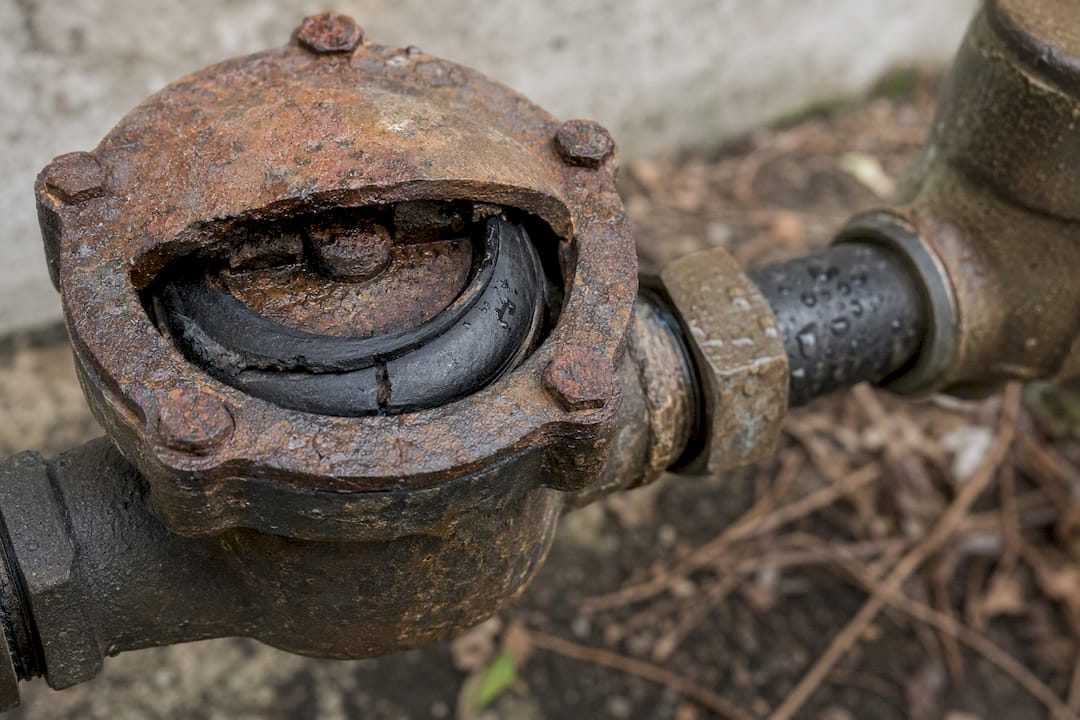
Better product and process quality. Equipment drifting out of calibration produces defects long before it fails outright. Catching that drift early through condition monitoring keeps output specs tighter.
Better resource planning and inventory control. Knowing what needs servicing and when lets you order parts in advance instead of paying rush freight, and it smooths labor scheduling instead of pulling technicians off other jobs for an emergency.
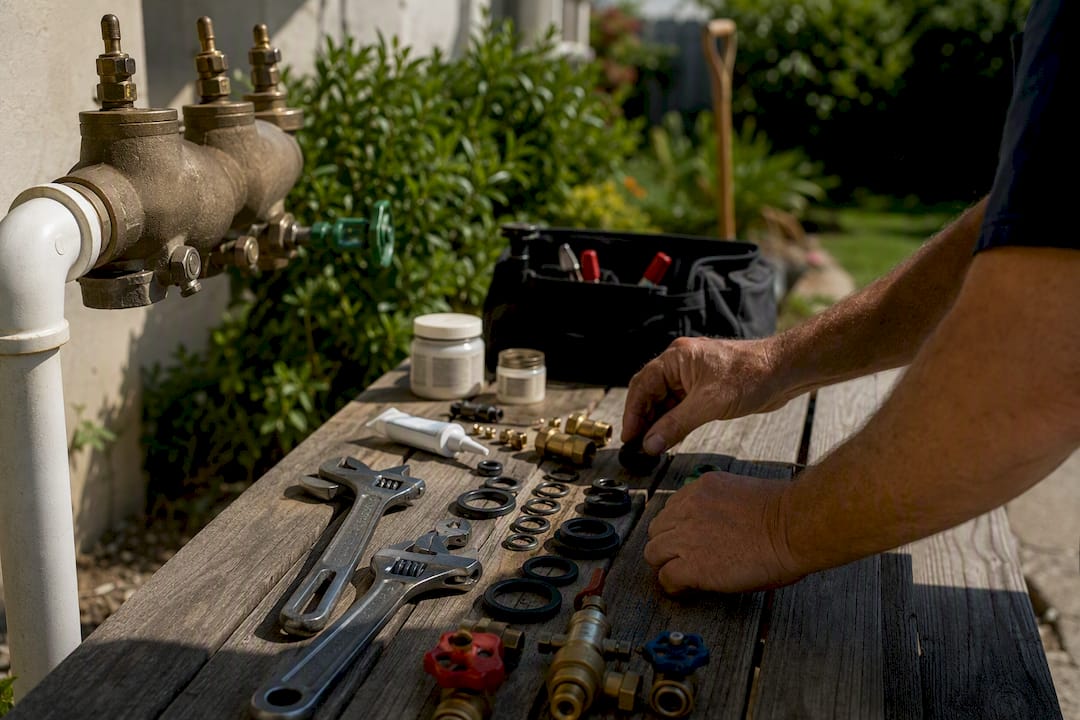
Atlas Copco’s summary of the switch from reactive to proactive maintenance lists efficiency and sustainability gains, including lower energy waste, as a byproduct of equipment running closer to its designed operating condition.
What Does Proactive Maintenance Cost, and What Slows Adoption?
The upfront investment splits into two buckets. Capital costs cover sensors, monitoring software, and any CMMS platform you adopt. Operating costs cover training, scheduled labor, and the time it takes staff to build new habits around data and documentation.
Adoption barriers show up consistently in research on advanced maintenance techniques:
- Cost is the most frequently cited barrier, ahead of everything else, according to NIST’s survey of manufacturing maintenance practices.
- Technology support gaps slow rollouts when IT infrastructure or sensor integration isn’t ready.
- Human resource readiness matters just as much: technicians need training on new tools, and managers need buy-in to change scheduling habits.
Practical mitigation is straightforward, even if it takes discipline. Run a pilot on a handful of assets before scaling company-wide. Phase the rollout by criticality, starting with equipment where failure is most expensive or most dangerous. When selecting a CMMS or monitoring vendor, prioritize ease of integration and mobile access over feature lists you’ll never use. One coherent point worth remembering: proactive maintenance almost always carries higher upfront costs than reactive approaches in year one, even when it wins decisively over a five-year horizon.
How Do You Start a Proactive Maintenance Program?
A proactive maintenance rollout works best as a controlled pilot, not a company-wide mandate on day one.
- Identify critical assets. Rank equipment by the cost of failure, not just its price tag. A cheap valve tied to a safety system can matter more than an expensive but redundant one.
- Pick a pilot asset group. Choose a handful of assets with clear failure history so you can measure improvement against a real baseline.
- Baseline your KPIs. Record current downtime, repair costs, and failure frequency before changing anything.
- Start collecting data. Whether that’s a simple inspection checklist or a sensor feed depends on your budget and the asset’s criticality.
- Run a 90-day pilot. Compare results against your baseline and adjust the schedule or thresholds before expanding.
A CMMS platform earns its keep here. Look for work-order scheduling, an asset register that tracks service history, parts inventory management tied to reorder points, reporting dashboards, and mobile access so technicians can log work from the field instead of a desk.
Pro Tip: Keep your pilot small enough to manage closely, five to fifteen assets is usually the sweet spot, but pick assets with enough failure history that a 90-day window actually shows a measurable difference.
What KPIs Show Whether Proactive Maintenance Is Working?
A handful of metrics tell you whether the program is paying off, and they’re worth tracking from day one of any pilot.
- MTBF (Mean Time Between Failures): average operating time between breakdowns; longer is better.
- MTTR (Mean Time to Repair): average time to fix a failure once it happens; shorter is better.
- Downtime percentage: share of scheduled operating time lost to outages.
- OEE (Overall Equipment Effectiveness): combines availability, performance, and quality into one score.
- Maintenance cost per unit or per horsepower: normalizes spend so you can compare across different equipment sizes.
- Emergency work percentage: share of maintenance hours spent on unplanned, reactive jobs versus scheduled work.
Statistic Callout: Industry data on proactive approaches points to maintenance cost reductions of roughly 12 percent and downtime cuts of 30 to 40 percent once a program matures past its pilot phase.
What Do Proactive Maintenance Results Look Like by Industry?
The mechanics look different depending on what you’re maintaining, but the pattern of planned work replacing emergency response holds everywhere.
- Manufacturing: condition-based monitoring on motors and conveyors cuts unplanned line stops; spare parts get ordered against a forecast instead of a crisis.
- Utilities: scheduled inspection of transformers and pumps reduces outage frequency; crews plan around seasonal load instead of storm-driven emergencies.
- Commercial buildings: HVAC and elevator maintenance on a fixed cadence avoids tenant complaints and after-hours emergency calls; budgets shift from reactive repair line items to predictable service contracts.
- Plumbing and backflow devices: scheduled testing and inspection catches worn check valves and seals before they trigger a compliance violation or a contamination risk; spare parts for common failure points get stocked ahead of testing season instead of ordered under deadline pressure.
How Does Proactive Maintenance Apply to Backflow Preventers?
Backflow preventers fail in predictable ways: worn rubber seals, debris fouling check valves, and relief valves that stick from corrosion. A basic proactive checklist covers visual inspection for leaks, functional testing of check valves, and confirming the relief valve discharges properly, all on an annual or seasonal cadence tied to your local water authority’s requirements.
- Repair when a single component fails and the body is sound.
- Rebuild when multiple internal parts are worn but the housing is intact.
- Replace when the device is outdated, damaged, or no longer meets current code.
Pro Tip: Never skip a scheduled test to save a service call. A failed backflow preventer is a public health and compliance issue, not just a maintenance line item.
Southjerseybackflow’s preventive care resources cover seasonal scheduling in more detail for property owners managing multiple devices.
Where Do Proactive Maintenance Programs Usually Go Wrong?
Two mistakes come up constantly. Teams buy sensors and software before they’ve mapped the actual workflow, so the data piles up with nobody assigned to act on it. And they pick a pilot asset that’s too low-stakes to show a meaningful result, then wonder why leadership loses interest.
The fix for both is the same: define who reviews the data and what triggers a work order before you install anything, and choose a pilot asset with a real failure history so the before-and-after comparison actually means something.
When Does It Make Sense to Bring in a Backflow Specialist?
Some proactive maintenance you can handle in-house with a checklist and a calendar reminder. Complex backflow assemblies, compliance filing with your local water authority, and emergency rebuilds are a different situation, one where a local specialist saves you from a failed test turning into a violation notice.
Southjerseybackflow handles testing, certification, repair, and rebuilding for backflow preventers across New Jersey, and files test reports directly with water authorities so property owners don’t have to track down paperwork deadlines themselves. If you manage a property with an aging or a never-tested backflow assembly, scheduling backflow testing and certification now is the practical next step before your next compliance deadline arrives.
Sources
- Proactive vs Reactive Maintenance | ATS
- Switch from reactive to proactive maintenance: six key benefits – Atlas Copco USA