
TL;DR:
- A structured maintenance routine, including monthly checks, seasonal tasks, and annual compliance, keeps US properties inspection-ready in 2026. Consistent documentation and timely testing, especially for backflow preventers, are essential to avoid costly penalties and repairs. Following these routines prevents emergencies, reduces long-term costs, and ensures legal compliance across the year.
A repeatable maintenance rhythm — a short monthly habit loop, two heavy seasonal rounds in spring and fall, and a short annual compliance block — prevents most emergency repairs and keeps any US property inspection-ready in 2026. That structure is the core of every solid property maintenance checklist, and it works whether you own one home or manage a portfolio.
Your quick-action checklist:
- Monthly (20–30 min): Replace or inspect HVAC filter, test smoke and CO detectors, check under sinks and around the water heater for drips, run any unused drains, clear the dryer lint trap and range-hood filter.
- Spring round (March–May): HVAC tune-up, roof and gutter inspection, exterior caulking, window and door seal check, sump pump test.
- Fall round (September–November): Furnace service, weatherstripping, gutter cleaning, winterize outdoor plumbing, chimney inspection.
- Annual compliance block: Backflow preventer test and filed report (NJ deadlines vary by municipality), smoke/CO detector battery swap, fire extinguisher inspection, GFCI outlet test.
Table of Contents
- What does a property maintenance checklist 2026 look like month by month?
- Your seasonal maintenance calendar for 2026
- “Stop it before it starts” — inside-home fixes worth doing now
- How to keep major systems running before they fail
- Safety checks and compliance items you can’t skip
- How to track maintenance and build a budget that holds
- Red flags that mean you should call a professional now
- Typical frequencies and cost ranges for common maintenance tasks
- Key Takeaways
- Why the “just fix it when it breaks” approach costs more than you think
- Southjerseybackflow handles NJ backflow compliance so you don’t have to
- Useful sources for deeper reading
What does a property maintenance checklist 2026 look like month by month?
OnOtto’s 2026 seasonal checklist structures the year into four seasonal work sessions plus a short monthly “always-on” loop covering 62 tasks across spring, summer, fall, and winter seasons. That rhythm is the most practical framework available: it prevents the deferred-maintenance spiral where skipped small tasks compound into expensive emergencies.
The monthly loop takes a short time and catches the issues that cause the most service calls:
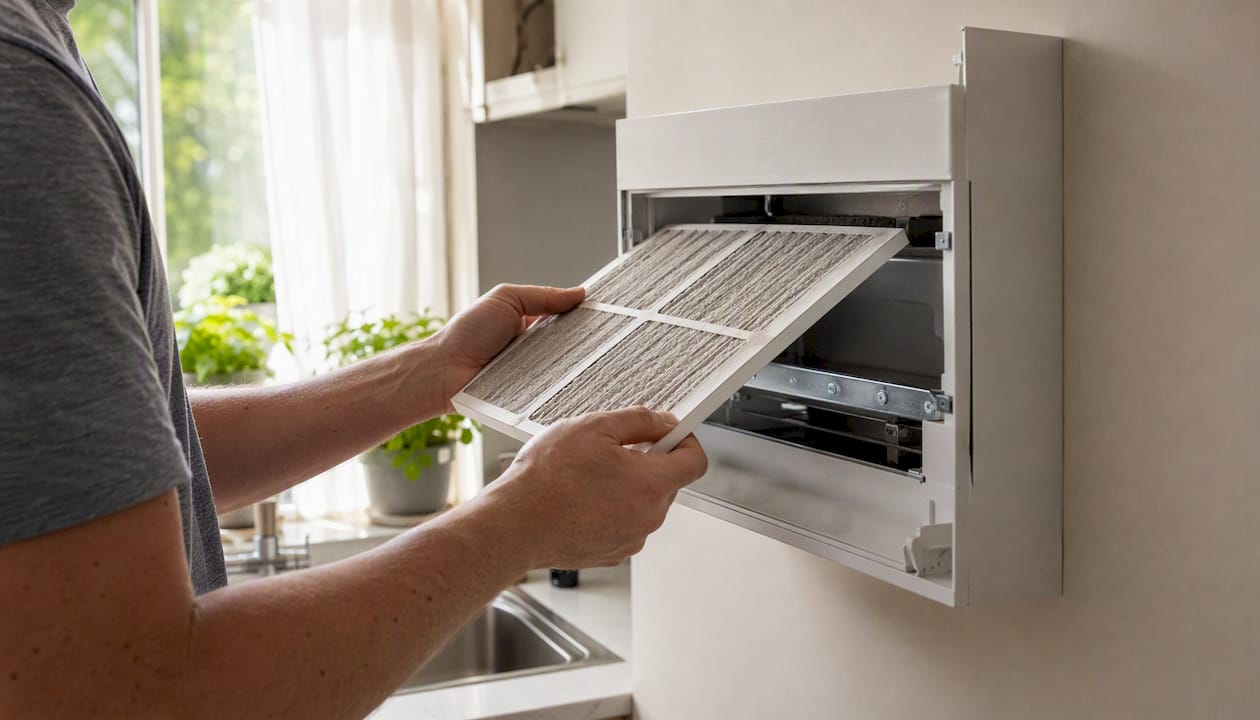
- HVAC filter: Swap or inspect every 30–90 days depending on filter type and household pets. A clogged filter cuts airflow, strains the system, and raises energy bills. Owner or manager handles this; tenants can be assigned it in writing.
- Smoke and CO detectors: Press the test button on every unit. Takes 90 seconds. Document it.
- Under-sink and water heater check: Look for drips, corrosion, or moisture on the floor. Catching a slow leak here costs almost nothing; ignoring it for three months can mean drywall replacement.
- Run unused drains: Guest bathrooms, utility sinks, floor drains. Running water for 30 seconds prevents P-trap evaporation and sewer-gas intrusion.
- Dryer lint trap and range-hood filter: Clear both. Lint buildup is a fire risk; a grease-clogged range-hood filter recirculates smoke instead of exhausting it.
Pro Tip: Take a dated photo of each item you check — one quick phone shot per task. A 12-month photo log is the fastest way to prove a property was maintained when an insurance claim or deposit dispute comes up.
For rental properties, DiscoveryMark’s rental maintenance schedule recommends assigning the monthly loop clearly between tenant and owner in the lease, so neither party assumes the other is handling it.
Your seasonal maintenance calendar for 2026
Think of the year in four blocks. Each block has two or three high-impact tasks that, if skipped, create the biggest downstream problems.
Spring (March–May 2026)
- Schedule HVAC service before cooling season. Book in February or early March — technicians fill up fast once temperatures climb.
- Inspect the roof for winter damage: missing shingles, lifted flashing, soft spots near chimneys. Pair this with gutter cleaning to share ladder time and cut labor cost.
- Check exterior caulking and seals around windows, doors, and penetrations. Failed caulk is the most common entry point for water damage.
- Test the sump pump by pouring a bucket of water into the pit. If it doesn’t activate, you want to know now — not during the first heavy spring rain.
- Inspect window and door weatherstripping. Replace anything that’s cracked or compressed flat.
Summer (June–August 2026)
- Clean and inspect the deck or patio for rot, loose fasteners, and splinters. Treat wood surfaces before peak sun exposure.
- Check attic ventilation and insulation. Poor attic airflow in summer drives up cooling costs and accelerates roof sheathing deterioration.
- Trim trees and shrubs away from the structure. Branches touching the roof or siding create moisture traps and pest pathways.
- Inspect irrigation systems for broken heads and leaks. Drought conditions in many US regions in 2026 make water waste both expensive and, in some municipalities, a code issue.
Fall (September–November 2026)
- Service the furnace or heat pump before heating season. Same logic as spring HVAC: book early, avoid peak pricing.
- Clean gutters after leaves fall — typically late October through November depending on your region.
- Winterize outdoor plumbing: shut off and drain hose bibs, blow out irrigation lines in freeze-prone climates.
- Chimney inspection and cleaning if you use a fireplace or wood stove. The National Fire Protection Association recommends annual inspection.
- Seal gaps around pipes, vents, and utility penetrations to block rodent entry before they seek warmth indoors.
Winter (December–February 2026/2027)
- Check attic and crawl space for condensation or frost buildup, which signals a ventilation or air-sealing problem.
- Test smoke and CO detectors again (mid-winter check, separate from the annual battery swap).
- Inspect basement walls for efflorescence or new cracks after the first hard freeze.
- Keep a weather emergency kit current: flashlights, battery backup, water supply, and a list of utility emergency numbers.
Vacation homes and seasonal rentals need an additional winterization walkthrough before closing and a full systems check on reopening. Older homes (pre-1980) warrant closer attention to plumbing insulation and electrical panels during the winter block.
Bundling jobs that share access equipment saves real money. WhatCosts’ maintenance cost calendar specifically recommends pairing roof inspections with gutter cleaning and landscaping visits with tree pruning — the same crew, the same equipment, one mobilization charge.
“Stop it before it starts” — inside-home fixes worth doing now
Most interior damage starts small. A 10-minute fix at the right moment beats a $2,000 repair six months later.
- Drafty doors and windows: Press your hand along the frame on a cold day. Feel air movement? Replace weatherstripping or apply rope caulk for the season. DIY-friendly; materials cost under $20.
- Loose handrails and stair treads: Grab every railing and push. Any wobble is a fall hazard and a liability issue for landlords. Tighten hardware or add blocking — most fixes take 15 minutes with a drill.
- Dripping faucets and slow drains: A faucet dripping once per second wastes roughly 3,000 gallons per year. Replace the washer or cartridge. Slow drains respond to a drain snake before they become full clogs.
- Squeaky floors: Driven by subfloor movement. A few screws driven through the subfloor into joists (accessible from below) usually silence them. If you can’t access from below, a squeak-relief kit works from above.
- Minor electrical concerns: Outlets that spark, feel warm, or trip repeatedly need a licensed electrician — not a DIY fix. Same rule applies to any flickering that isn’t a loose bulb.
Safety rule: If you smell burning plastic, see arcing, or suspect a gas leak, leave the property and call your utility’s emergency line before calling any contractor. No maintenance task is worth staying inside for.
- Clogged drains and slow-draining fixtures: Monthly enzyme treatments keep drains clear without the pipe damage that chemical drain cleaners cause over time.
- Small cosmetic fixes: Patch nail holes and touch up paint at turnover or annually. Deferred cosmetic work signals neglect to inspectors, insurers, and tenants.
How to keep major systems running before they fail
Major system failures are the most expensive maintenance events — and the most preventable. Beryl Project Engineering’s annual checklist puts HVAC, roof, plumbing, and electrical at the top of every investor’s annual attention list.
HVAC: Change filters every 1–3 months. Schedule professional service twice a year — spring for cooling, fall for heating. Signs a system needs a pro beyond routine service: unusual noises, uneven temperatures across rooms, ice on refrigerant lines, or a spike in energy bills with no change in usage.
Water heater: Flush the tank annually to clear sediment that reduces efficiency and accelerates corrosion. Test the pressure-relief valve by lifting the lever briefly — water should flow and stop cleanly. A tank showing rust-colored water, rumbling sounds, or age past 10–12 years is a replacement candidate, not a repair candidate.
Dryer vent: DiscoveryMark’s rental schedule flags dryer vents as a leading cause of residential fires. Clean the full duct run annually, not just the lint trap. If the duct run exceeds 25 feet or has multiple elbows, professional cleaning is worth the cost.
Sump pump: Test it every spring by pouring water into the pit. Check the float switch for free movement. If the pump runs continuously or fails to activate, replace it before rainy season — a failed sump pump during a storm can mean thousands in basement water damage.
Refrigerator coils: Vacuum condenser coils (usually at the back or underneath) once a year. Dusty coils force the compressor to work harder and shorten the appliance’s life.
Safety checks and compliance items you can’t skip
Aerially’s building maintenance guide recommends monthly walkthroughs plus quarterly system checks for landlords and property managers — and the safety items below belong on both lists.
- Smoke detectors: Test monthly, replace batteries annually (or use 10-year sealed units), replace the entire unit every 10 years. NFPA 72 governs testing standards for commercial and multi-unit properties.
- CO detectors: Same cadence as smoke detectors. Required within 10 feet of every sleeping area in most US states.
- Fire extinguishers: Visual check monthly — pin intact, gauge in green, no visible damage. Annual professional inspection for commercial properties.
- GFCI outlets: Press the test button on every GFCI outlet in kitchens, bathrooms, garages, and exterior locations. If it doesn’t trip and reset cleanly, replace the outlet.
Backflow preventer testing: the compliance item most owners miss
Backflow preventers stop contaminated water from flowing back into the public supply. Most New Jersey municipalities require annual certified testing and a filed test report — the test alone isn’t enough.
; a test performed but never submitted leaves you out of compliance the same as no test at all.
For NJ property owners, the 2026 backflow mandates specify that tests must be performed by a licensed tester and results submitted directly to the water authority. Deadlines vary by municipality, so check your local notice or water bill for the filing window.
NJ owners who received a municipal backflow notice: the deadline is real and the fine for non-compliance is not trivial. A licensed tester handles both the physical test and the report submission — you don’t have to navigate the filing yourself.
For multi-unit buildings, elevator inspections, fire suppression system tests, and emergency lighting checks are also jurisdictional requirements. Document who is responsible for each — owner, property manager, or building engineer — and keep signed records on file.
How to track maintenance and build a budget that holds
Documentation is not optional. For landlords, a dated maintenance log with photos and vendor invoices is the difference between winning and losing a deposit dispute. For all property owners, it’s what an insurance adjuster asks for after a claim.
Minimum record at each visit:
- Date and task performed
- One-line outcome (“filter replaced, no issues” or “slow drain noted, enzyme treatment applied”)
- Photo of the item before and after
- Vendor name, invoice number, and cost if a pro was involved
A simple spreadsheet with those five fields covers most needs. Property management platforms like Buildium (reviewed on G2 and Capterra) add work-order tracking and tenant communication, which matters at scale.
Budgeting: The 1% rule — setting aside 1% of the home’s value annually for maintenance — is a widely cited starting point. WhatCosts references this benchmark alongside monthly set-aside ranges tied to home type and condition. Older homes and properties in harsh climates often run closer to 1.5–2%. Spread big-ticket items across the year: HVAC service in spring, roof inspection in fall, water heater flush in winter. That spacing prevents the “everything hits at once” budget shock.

Book professional services outside peak season. HVAC technicians are cheapest and most available in early spring and early fall, before the rush. Roofing contractors have more scheduling flexibility in late summer than in the post-storm scramble. For landlords managing multiple properties, effective maintenance scheduling can reduce both cost and tenant turnover by keeping systems reliable year-round.
Red flags that mean you should call a professional now
Some problems look manageable and aren’t. These warrant a call before you touch anything:
- Persistent or unexplained leaks after you’ve tightened the obvious connections — especially near the water heater, main shutoff, or under a slab.
- Electrical arcing, burning smell, or a breaker that trips repeatedly on the same circuit. These are fire precursors.
- Structural sagging in floors, ceilings, or roof lines. Could be a joist, a rafter, or a foundation issue — none of which are DIY territory.
- Sump pump failure during active rain. Call a plumber immediately; water intrusion compounds fast.
- Backflow test failure. A failed test means the device isn’t protecting the water supply. Repair or replacement by a licensed technician is required before resubmitting the report.
- Mold covering more than 10 square feet (EPA threshold for professional remediation).
Vetting a contractor quickly: verify their license on your state’s contractor licensing board, confirm they carry general liability and workers’ comp insurance, get a written estimate before work starts, and ask for a documented warranty on labor. The BBB’s guidance on hiring vs. DIY is a useful reference for borderline calls.
Pro Tip: When calling about an emergency, have the property address, the system affected, the symptom (not your diagnosis), and your shutoff valve location ready. That information cuts the call time and gets a tech dispatched faster.
Typical frequencies and cost ranges for common maintenance tasks
Costs below are US ballpark ranges. Regional labor markets, property age, and whether you book during peak season all move the number.
| Task | Typical Frequency | Ballpark Cost (US) |
|---|---|---|
| HVAC filter replacement | Every 1–3 months | $5–$30 DIY |
| HVAC professional tune-up | Twice yearly | — |
| Gutter cleaning | 1–2× per year | — |
| Water heater flush | Annually | — |
| Dryer vent cleaning | Annually | — |
| Backflow preventer test | Annually (NJ required) | — |
| Roof inspection | Annually or post-storm | — |
| Chimney inspection/sweep | Annually (if used) | — |
| Sump pump replacement | Every 7–10 years | — |
Peak-season pricing for HVAC and roofing can run 20–40% higher than off-peak rates. An estimate that comes in dramatically below the range above — especially for roofing or electrical — is worth scrutinizing before you sign. Structured maintenance programs reduce long-term repair costs significantly compared to reactive-only approaches, which is why the frequency column above matters as much as the cost column.
Key Takeaways
A monthly 20–30 minute habit loop, four seasonal work sessions, and an annual compliance block form the minimum repeatable structure for maintaining any US property in 2026.
| Point | Details |
|---|---|
| Monthly habit loop | Spend 20–30 minutes each month on filters, detectors, leak checks, drains, and lint traps. |
| Seasonal work sessions | Group tasks by spring, summer, fall, and winter, covering the checklist’s full range of 62 tasks. |
| Document everything | Log date, task, photo, and invoice at every visit — it protects you in claims and disputes. |
| Compliance items first | Backflow testing, detector checks, and fire suppression inspections have legal deadlines; calendar them now. |
| Southjerseybackflow for NJ compliance | NJ property owners can book certified backflow testing and report filing through Southjerseybackflow to meet municipal deadlines. |
Why the “just fix it when it breaks” approach costs more than you think
Most property owners understand that preventive maintenance saves money. What they underestimate is how much the documentation side matters. A landlord who replaced a water heater last year but has no invoice, no photo, and no dated record might as well not have done it — because when a tenant claims the unit was neglected, there’s nothing to show.
The same logic applies to compliance. New Jersey municipalities don’t accept a verbal assurance that a backflow preventer was tested. They require a filed report from a licensed tester. A property owner who had the test done but never submitted the paperwork is still out of compliance. That’s a fine waiting to happen, not a technicality.
The 2026 property care environment has added another layer: drought-related water restrictions in several US regions now carry maintenance implications (irrigation system audits, water-use reporting), and some municipalities have updated their backflow testing deadlines and device requirements. Staying current on local code changes is part of the annual checklist now, not an occasional task.
The maintenance rhythm in this guide isn’t complicated. The hard part is consistency — and the easiest way to stay consistent is to treat each monthly loop as a non-negotiable 25-minute appointment, not something to squeeze in when convenient.
Southjerseybackflow handles NJ backflow compliance so you don’t have to
Backflow testing in New Jersey isn’t just a checkbox — it’s a certified test, a filed report, and a municipal deadline, all in one. Missing any piece leaves you out of compliance even if the device itself is working fine.

Southjerseybackflow tests, certifies, repairs, and rebuilds backflow preventers across New Jersey, and files test reports directly with your water authority. For property managers running multiple units, consolidated billing means one invoice instead of a stack of them. If you received a municipal notice, the next steps are straightforward — gather your device information, share the notice, and Southjerseybackflow handles the rest, including the filing.
Ready to get your backflow test and certification scheduled before your municipality’s deadline? Contact Southjerseybackflow to book your test, confirm your filing window, and stay compliant without the paperwork headache.
Useful sources for deeper reading
- Home Maintenance Checklist 2026: The Complete Seasonal System | OnOtto — Seasonal task groupings and the monthly “always-on” habit loop, covering 62 tasks across the year.
- Home Maintenance Cost Calendar 2026 | WhatCosts — Quarterly cost ranges, the 1% budgeting rule, and job-bundling strategies.
- The Rental Property Maintenance Schedule (2026) · DiscoveryMark — Season-by-season preventive plan for rental properties with documentation guidance.
- Annual Property Maintenance Checklist for Real Estate Investors | Beryl Engineering — Investor-focused annual checklist covering HVAC, roof, plumbing, electrical, and digital recordkeeping.
- Building Maintenance Checklist 2026 | Aerially — Property manager guide with monthly walkthrough and quarterly system check recommendations.
- Backflow compliance: testing, reporting, and documentation (video) — Explains why filed reports are as important as the test itself for regulatory compliance.
- NJ Backflow Codes: Your Compliance Roadmap for 2026 | Southjerseybackflow — New Jersey-specific code changes, local filing steps, and 2026 mandate updates.
- Backflow Testing in New Jersey: How to Pass, Submit, and Stay Compliant | Southjerseybackflow — Step-by-step guide to passing the test and submitting the report to your water authority.
- Water System Safety Checklist for NJ Backflow Owners | Southjerseybackflow — Targeted local checklist for NJ owners covering safety items and compliance tasks.
- Maintenance and Tenant Retention: A Landlord’s 2026 Guide | SherryPropertyCare — How consistent maintenance practices affect tenant retention and property value.
Bookmark your municipality’s water authority page alongside these resources — local filing deadlines for backflow testing are set at the municipal level and change periodically. The Southjerseybackflow resources above are the fastest way to confirm current NJ requirements without digging through utility websites.
Pingback: Advantages of Proactive Maintenance for Reliability and Cost