TL;DR:
- Back pressure is the resistance opposing normal water flow in plumbing systems, caused by friction, fittings, and elevation changes. Excessive back pressure risks contamination, equipment damage, and code violations, making detection and prevention essential. Proper maintenance, backflow devices, and regular testing help property owners manage back pressure and stay compliant with NJ regulations.
If you own or manage property in New Jersey, back pressure is one of those plumbing terms you need to understand before it creates a costly problem. Simply put, back pressure is the resistance force that pushes against the normal direction of water flow in your pipes. When it gets too high, it can stress your equipment, spike your water bills, and create contamination risks that put your property out of compliance with NJ plumbing codes. This guide breaks down the back pressure definition, what causes it, how to detect it, and what you can do to keep your system safe.
Table of Contents
- Key takeaways
- What is back pressure and what causes it
- Effects of back pressure on your plumbing system
- How to detect and measure back pressure
- How to prevent and manage back pressure
- My take on back pressure: what most property owners get wrong
- Stay compliant with Southjerseybackflow
- FAQ
Key takeaways
| Point | Details |
|---|---|
| Back pressure defined | It is the downstream resistance that opposes normal water flow in your plumbing system. |
| Common causes | Friction in pipes, restrictive valves, fittings, and elevation changes all generate back pressure. |
| Contamination risk | Excessive back pressure can reverse flow direction, pushing contaminants into potable water. |
| Detection matters | Reduced flow, strange noises, and pressure spikes are early warning signs you should not ignore. |
| NJ compliance required | New Jersey codes mandate backflow prevention devices and testing to manage back pressure risks. |
What is back pressure and what causes it
The clearest back pressure definition for plumbing is this: it is the resistance pressure at the outlet side of your pump or supply line, created by everything the water has to push through to reach its destination. Pipes, fittings, valves, water heaters, filters, and even vertical elevation all create resistance. That resistance adds up and pushes back against the flow source. Friction and resistance in pipes, fittings, valves, and elevation changes are the primary drivers.
It helps to explain backpressure by separating it from two terms people often mix up. “Load” refers to the total work a pump does, which includes both moving the water and overcoming all resistance. Back pressure is a specific subset of that load. It refers only to the outlet resistance the pump faces. “Static pressure” is a fixed maximum reading when no water moves. Back pressure is dynamic and changes based on flow rate and system conditions.
| Term | What it measures | When it applies |
|---|---|---|
| Back pressure | Resistance at pump outlet | During active flow |
| Load | Total pump workload | Overall pump performance |
| Static pressure | Maximum pressure at rest | No-flow conditions |
| Supply pressure | Incoming water force | At the meter or entry point |
Common causes of back pressure in NJ properties include:
- Long pipe runs with multiple elbows and fittings, which add friction at every turn
- Partially closed shutoff valves or undersized pipes that restrict flow
- Elevation differences, because water moving upward to upper floors or rooftop equipment fights gravity
- Water treatment equipment, filters, and backflow preventers that add resistance by design
- Scale and mineral buildup inside older pipes, which narrows the interior diameter over time
Effects of back pressure on your plumbing system
Understanding the effects of back pressure is what makes this topic worth your attention. Left unmanaged, high back pressure creates a chain of problems that gets expensive quickly.
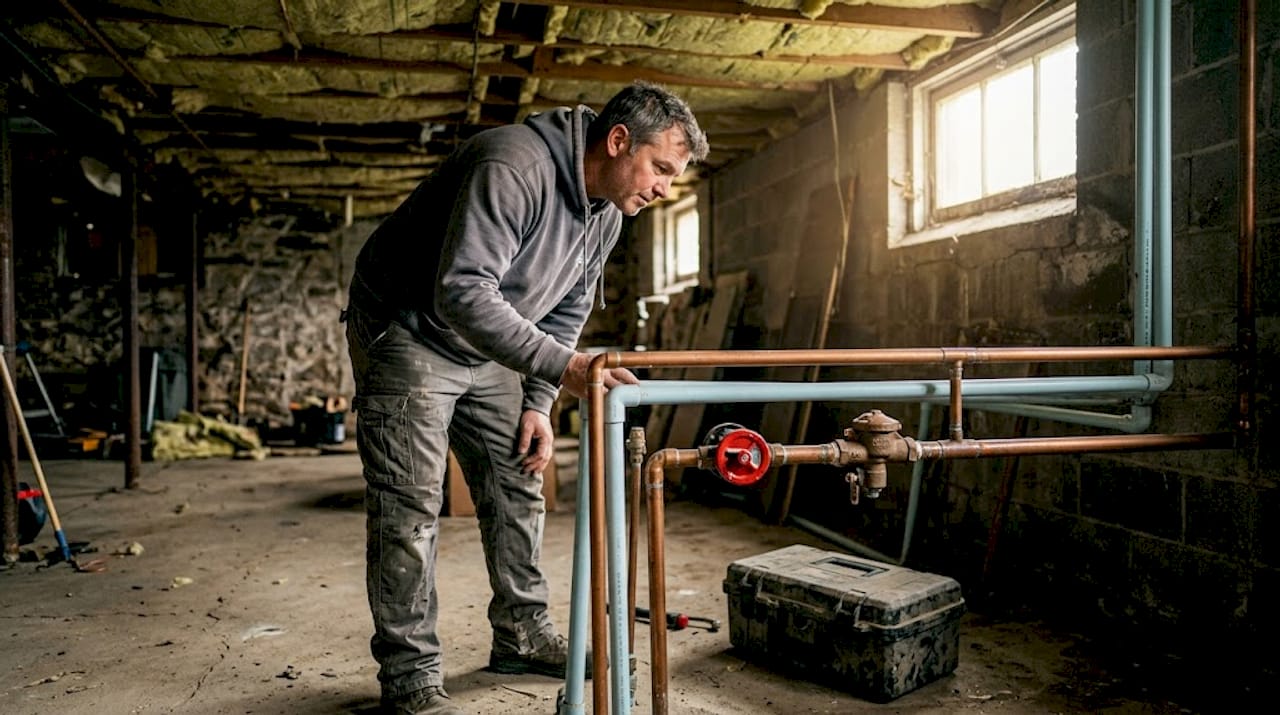
The most serious risk is backflow contamination. When downstream pressure exceeds the supply pressure, water can reverse into potable supply lines. That means chemicals from an irrigation system, bacteria from a boiler, or wastewater from a connected fixture can move backward into the drinking water that serves your tenants or building occupants. This is not a theoretical risk. It is the reason NJ codes require backflow prevention devices on most commercial and multi-family properties.
Beyond contamination, higher back pressure correlates with increased operational costs and faster equipment wear. Your pump works harder to overcome the resistance, consuming more electricity and wearing out seals and components faster than the manufacturer’s rated lifespan.
Here is what excessive back pressure does to your property over time:
- Pump stress: The motor runs longer and hotter, shortening its service life and increasing repair frequency.
- Pipe fatigue: Sustained high pressure weakens joints and soldered connections, leading to slow leaks that can go undetected for months.
- Water hammer: Pressure spikes can cause banging in walls, which signals stress on every fitting in that pipe run.
- Code violations: NJ plumbing codes tie backflow prevention directly to managing back pressure risks. Failing a backflow inspection can mean fines and mandatory repairs on a deadline.
Pro Tip: If your water bills have crept up without an obvious explanation, high back pressure forcing your pump to run harder is one of the first things a plumber should check.
One thing most property owners miss is that some back pressure is normal and even necessary. Controlled back pressure maintains system stability. The goal is not zero resistance. The goal is keeping resistance within the range your pipes, pump, and fixtures were designed to handle.
How to detect and measure back pressure
Learning how to measure back pressure does not require an engineering degree. It requires knowing what to look for and when to call someone with the right tools.
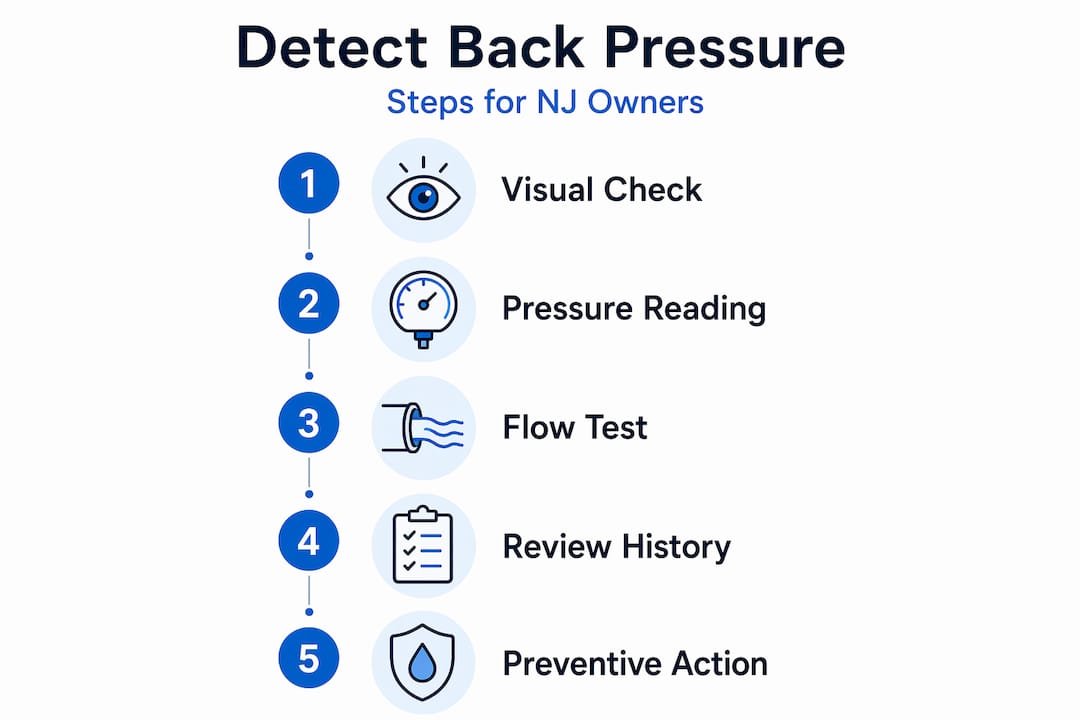
Start with the symptoms. Signs of high back pressure include reduced water flow at fixtures, strange banging or groaning noises in walls, frequent pump cycling on and off, and pressure gauge readings that spike or fluctuate instead of holding steady. Any one of these warrants a closer look. Multiple symptoms together mean you should act now.
Here is a practical process for detecting back pressure issues in your property:
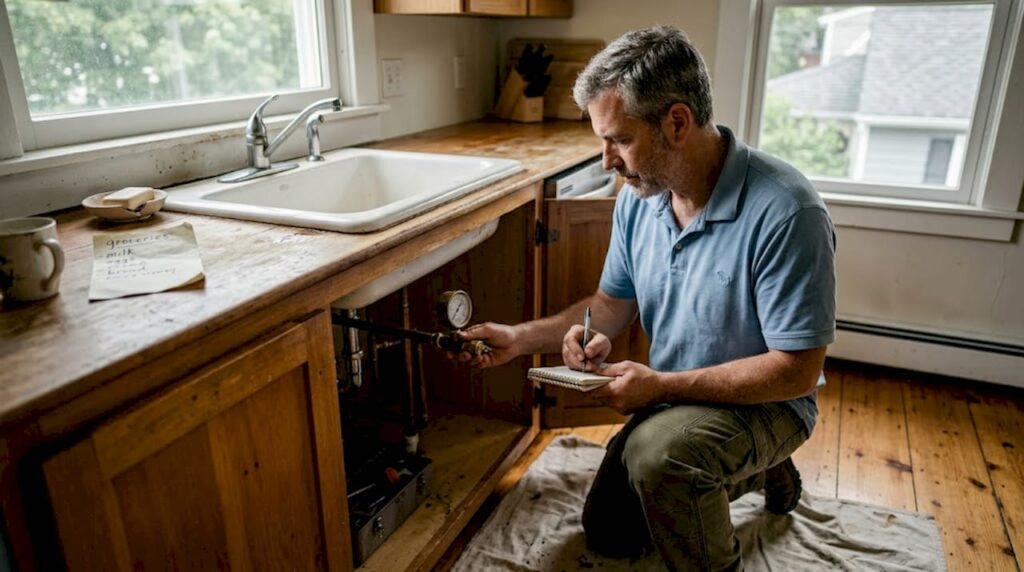
- Check your pressure gauge. Install a gauge at the outlet side of your main pump or pressure reducing valve. A reading consistently above 80 PSI signals excessive back pressure in most residential and light commercial systems.
- Inspect accessible valves and fittings. A partially closed gate valve downstream of your pump is one of the most common and easily fixed causes of high back pressure.
- Look for scale buildup. If your property has older galvanized or iron pipes, internal scale narrows the pipe bore and raises resistance. Discolored water and reduced flow at multiple fixtures point to this.
- Test flow rate at end fixtures. Weak flow at the farthest point in your system, while near-source fixtures run fine, suggests resistance is building along the pipe run.
- Call a licensed professional for a full diagnostic. A pressure test with calibrated gauges at multiple points in your system gives you a precise picture of where resistance spikes.
Pro Tip: NJ property managers should document pressure readings quarterly. A creeping rise in readings over several months tells a story that a single snapshot never could.
The difference between a pump specification issue and a pipe design problem often comes down to where in the system pressure is highest. A licensed plumber or backflow specialist can pinpoint that location with a pressure differential test.
How to prevent and manage back pressure
Prevention is where you get the most return on your time and money. For NJ property owners, the goal is combining good maintenance habits with the right hardware and a compliance-first mindset.
Routine maintenance practices that reduce back pressure:
- Flush and inspect pipes annually. Mineral scale is the silent killer of pipe capacity. Flushing lines and descaling where needed keeps internal diameter close to design specs.
- Service pressure reducing valves (PRVs) every two years. A failing PRV can allow supply pressure to fluctuate wildly, creating back pressure conditions downstream.
- Replace restrictive fittings. Older 90-degree elbows create significantly more resistance than modern sweep elbows. Upgrading during any major repair pays dividends in flow and pressure.
- Check valve positions on every scheduled walkthrough. Gate valves left partially closed by contractors or maintenance staff are a common, easily missed source of resistance.
Backflow prevention devices are the most important compliance tool you have. Under NJ codes, approved backflow preventers are required on most properties with any irrigation, fire suppression, or industrial connection to the potable supply. These devices stop reversed flow when downstream pressure exceeds supply pressure. NJ testing certification is mandatory and must be completed annually by a licensed tester.
| Prevention method | Best for | Cost range |
|---|---|---|
| Pressure reducing valve | High incoming supply pressure | $200 to $500 installed |
| Backflow preventer (RPZ) | Cross-connection protection | $400 to $1,200 installed |
| Pipe upsizing | Long runs with high friction loss | Varies by scope |
| Check valves | Single-direction flow protection | $50 to $300 installed |
| Regular descaling | Older properties with mineral buildup | $150 to $600 per service |
Pipe design matters more than most property managers realize. Undersized supply lines are one of the leading causes of plumbing code violations in NJ because they create back pressure conditions that make backflow prevention devices less effective. If you are planning any renovation that adds fixtures or extends pipe runs, have a licensed plumber evaluate the system capacity first.
My take on back pressure: what most property owners get wrong
I’ve talked to a lot of NJ property owners and managers over the years, and the most common mistake I see is treating back pressure as an all-or-nothing problem. People either assume their system is fine because water comes out of the tap, or they panic the moment a gauge reads anything above normal. Neither response serves you well.
What I’ve learned is that subtle signs matter more than dramatic failures. A pump that cycles a few times more per hour than it used to, or a pressure reading that has crept up 10 PSI over six months. These are the real warnings. By the time you have a burst fitting or a contamination event, the problem has been building for months.
I’ve also noticed that property managers often conflate back pressure with backflow, and the distinction genuinely matters. Back pressure is the mechanical condition. Backflow is the contamination event that back pressure can cause when it exceeds supply pressure. You manage back pressure through design and maintenance. You prevent backflow through certified devices and annual testing. They are related, but solving one does not automatically solve the other.
My honest recommendation: get a baseline pressure test done on your property if you do not have one. Know your numbers. Then check them against that baseline once a year. It costs very little and gives you the kind of documented evidence that protects you if a code inspector or insurance adjuster ever comes knocking.
— Jordan
Stay compliant with Southjerseybackflow
Managing back pressure is not a one-time fix. It requires annual testing, proper prevention devices, and a licensed professional who knows NJ code requirements inside out.
Southjerseybackflow provides certified backflow testing and certification for residential, commercial, and industrial properties across New Jersey. If you received a compliance notice, need annual testing completed, or want to understand whether your current setup handles back pressure correctly, Southjerseybackflow has the regional expertise to get it done right. Check the NJ compliance requirements and schedule your inspection before your deadline arrives.
FAQ
What is back pressure in a plumbing system?
Back pressure is the resistance force in downstream pipes and fixtures that opposes normal water flow direction. It is caused by friction, elevation changes, valves, and fittings, and becomes a problem when it exceeds the supply pressure driving water through the system.
What are the main causes of back pressure in NJ properties?
The most common causes are long pipe runs with multiple fittings, partially closed valves, scale buildup inside older pipes, elevation differences between floors, and water treatment or filtration equipment that adds resistance to the line.
How does back pressure lead to backflow contamination?
When downstream back pressure exceeds the incoming supply pressure, water reverses direction. That reversal can push contaminants backward into the potable water supply, which is a direct health and compliance risk for NJ properties.
How do I know if my property has a back pressure problem?
Watch for reduced flow at end-of-line fixtures, pressure readings consistently above 80 PSI, unusual banging in walls, and pumps that cycle on and off more frequently than normal. A licensed plumber can confirm the issue with a pressure differential test.
Are backflow preventers required in New Jersey?
Yes. NJ plumbing codes require approved backflow prevention devices on most commercial, multi-family, and properties with irrigation or fire suppression connections. Annual certified testing is mandatory to maintain compliance and protect the potable water supply.