TL;DR:
- New Jersey law mandates annual certified testing of backflow prevention devices to prevent contamination.
- Seasonal inspections and winterization are essential to avoid costly damage and ensure compliance.
- Working with certified professionals streamlines maintenance, protects property value, and ensures legal adherence.
New Jersey winters hit hard, and they do not forgive neglected plumbing. A single frozen backflow preventer can contaminate a building’s water supply, trigger a regulatory violation, and generate repair bills that dwarf an entire year’s worth of routine maintenance. For property owners and managers across the state, seasonal plumbing checks are not a courtesy item on the to-do list. They are a legal obligation and a direct investment in property value, tenant safety, and operational continuity. This guide walks you through every season with practical, compliance-focused steps to keep your backflow prevention devices functional and your plumbing system sound.
Table of Contents
- Understanding the basics: The role of backflow prevention in NJ
- Spring reset: Preventing leaks and checking for winter damage
- Summer vigilance: Irrigation system checks and backflow device maintenance
- Fall preparation: Winterize to prevent freezing and costly repairs
- Comparison summary: Seasonal task checklist and deadlines
- Expert perspective: Why seasonal plumbing maintenance beats crisis repairs
- Stay compliant and protected with professional backflow services
- Frequently asked questions
Key Takeaways
| Point | Details |
|---|---|
| Annual testing is mandatory | All New Jersey property owners must test backflow devices every year to stay compliant. |
| Spring and fall are critical | Post-winter checks and winterization prevent common plumbing and backflow failures. |
| Proactive maintenance saves money | Catching problems early prevents expensive repairs and water damage later. |
| Certified testing required | Only certified professionals can conduct official backflow device tests in NJ. |
| Use seasonal checklists | A clear maintenance schedule helps you avoid missed deadlines and costly mistakes. |
Understanding the basics: The role of backflow prevention in NJ
With an understanding of what’s at stake, let’s start with the regulatory foundation for backflow and plumbing system care in New Jersey.
Backflow happens when water flows in reverse, moving from a property’s plumbing back into the public water supply. That reverse flow can carry fertilizers, pesticides, sewage, or industrial chemicals into the drinking water network. The consequences range from illness in tenants and neighbors to massive liability for the property owner. Backflow prevention devices are the mechanical barrier that stops this from happening.
New Jersey takes this risk seriously. Per N.J.A.C. 7:10, the state mandates annual device testing by certified professionals, with test results submitted to the local water purveyor within 30 days. Skipping this is not just negligence. It is a regulatory violation.
New Jersey law requires annual testing of backflow prevention devices by certified testers, with results submitted to local water purveyors within 30 days per N.J.A.C. 7:10. Only licensed, certified testers may perform this work. Property owners cannot self-certify, and not every plumber holds the required credentials.
The devices approved for use in New Jersey fall into two main categories. The NJDEP defines backflow devices as double check valve assemblies and reduced pressure zone assemblies to prevent reverse flow. A double check valve assembly (DCVA) is typically used in lower-hazard applications, such as lawn irrigation systems in residential settings. A reduced pressure zone assembly (RPZ) provides a higher level of protection and is required in commercial, industrial, and higher-hazard applications where the risk of contamination is greater.
Understanding the compliance requirements in your municipality matters because submission deadlines can vary slightly by water purveyor even within the same county. Staying on top of those local nuances is part of maintaining full compliance.
Key facts every NJ property owner and manager should know:
- Only state-certified backflow testers may perform and certify annual tests.
- Test results must reach the local water purveyor within 30 days of the test date.
- RPZ assemblies are required for high-hazard connections such as boilers, fire suppression systems, and chemical injection lines.
- DCVAs are typically used for irrigation and lower-hazard residential connections.
- Non-compliance can trigger water service termination in addition to fines.
Spring reset: Preventing leaks and checking for winter damage
Understanding your equipment and legal responsibilities is the first step. Next, tackle seasonal actions starting with spring.
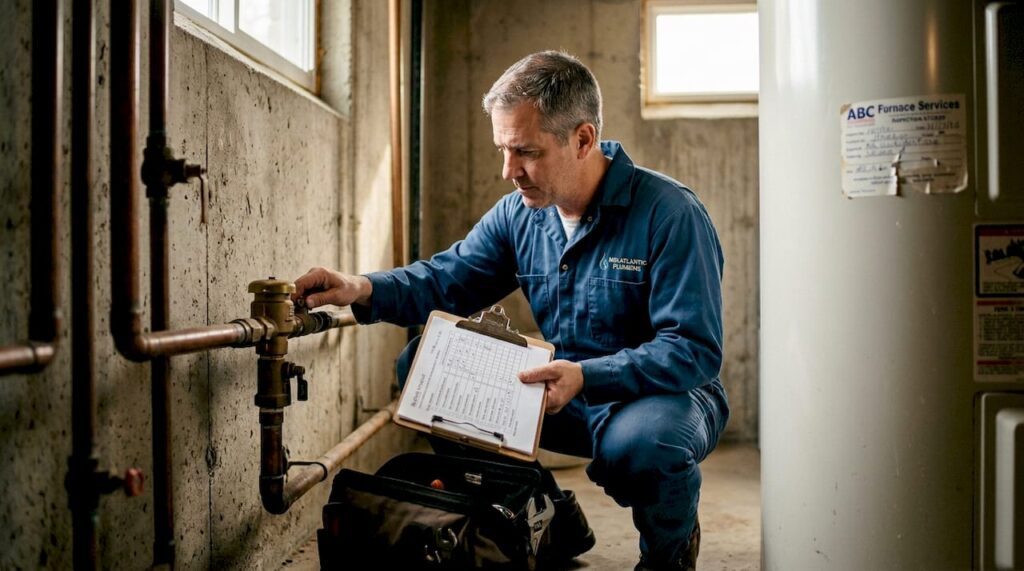
Spring is when the damage from winter actually becomes visible. Pipes that expanded under freezing pressure may show stress cracks by March. Outdoor spigots that were not properly drained may drip or fail entirely. Backflow preventers that sat exposed to sub-freezing temperatures may have cracked housings or compromised internal components. A thorough spring inspection catches all of this before the season ramps up.
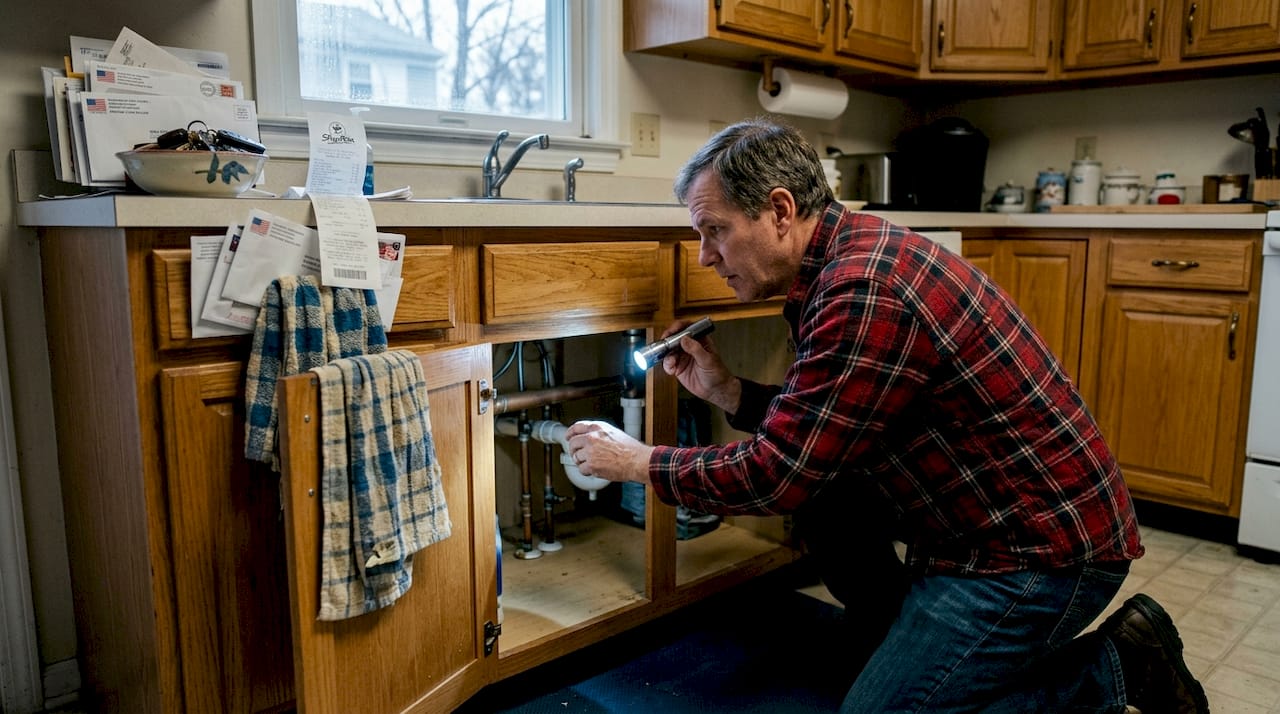
The NJDEP recognizes that RPZ and DCVA assemblies are mechanical devices subject to wear, freeze damage, and seal degradation. That is precisely why the annual testing requirement exists. But the annual test only counts if the device is mechanically sound going into it. Spring inspection is how you confirm that.
Follow this numbered checklist every spring:
- Walk all exposed piping inside and outside the building. Look for hairline cracks, discoloration, or moisture staining on walls near pipe runs.
- Inspect every outdoor spigot and hose bib by opening them fully. Low pressure or a trickle may signal an interior pipe that froze and is now leaking inside the wall.
- Visually examine your backflow preventer for cracked housing, corrosion on test cocks, or visible leaks from the relief valve on RPZ units.
- Test all isolation valves by closing and reopening them. Valves that were frozen shut all winter can seize, which means they will not close in an emergency.
- Check all drain lines and floor drains in mechanical rooms to ensure they are clear and flowing correctly.
- Schedule any identified repairs before your first seasonal irrigation run or significant water use begins.
- Document everything with photographs and written notes dated with the inspection date.
That last step is not just good practice. If a compliance inspector or your insurance carrier ever asks for evidence of due diligence, timestamped records and photos are your best protection. For guidance on the right type of device for your property, review the installation guide for backflow devices to confirm your setup meets current NJ standards.
Pro Tip: Create a shared digital folder with subfolders for each season. Store photos and inspection notes there immediately after each walk-through. This becomes your compliance paper trail without any extra effort come renewal time.
Summer vigilance: Irrigation system checks and backflow device maintenance
After spring repairs and inspections, summer brings its own set of challenges to keep your plumbing and backflow prevention in top shape.
Summer is peak demand season. Irrigation systems run daily. Water pressure fluctuates as municipalities manage higher consumption across the grid. That pressure variability is one of the most common triggers for backflow preventer stress. When pressure drops suddenly in the supply line, a poorly maintained device may allow reverse flow before it can respond.
The NJDEP standard for RPZ assemblies requires that the relief valve open when the differential pressure drops below a set threshold. A device that has not been exercised or maintained may not respond correctly when that threshold is reached during a summer pressure event. This is exactly the failure mode that annual testing is designed to catch. But regular summer maintenance reduces the risk of a failure happening at all.
Here is what to do throughout the summer months:
- Inspect irrigation lines monthly for drips, spray misdirection, or wet spots in dry zones, which signal a burst or cracked lateral line.
- Check for damage from landscaping equipment after any mowing or landscaping work near valve pits or irrigation heads.
- Manually exercise backflow device valves by slowly closing and reopening the shut-off valves on either side of the assembly. This prevents the ball valves from seizing due to mineral buildup.
- Clear debris from valve pits after storms. Leaves, mud, and debris can block the vent ports on RPZ assemblies, which causes the relief valve to malfunction.
- Monitor your water bill for unexplained spikes, which often indicate an undetected irrigation leak or a failing backflow preventer that is allowing continuous flow through the relief port.
- Watch for pressure fluctuations at hose connections and indoor fixtures. Consistent low pressure or hammering sounds can point to backflow device issues before they escalate.
A useful reference for managing your full system through the summer is this step-by-step backflow guide, which covers the operational details of both RPZ and DCVA assemblies in seasonal conditions.
Pro Tip: Schedule your official annual backflow test in June or July. This gives you the full 30-day window to submit results and enough time to repair or replace a failing device before winter forces you into an emergency situation.
Fall preparation: Winterize to prevent freezing and costly repairs
After a season of steady use, preparing for the harsh New Jersey winter is essential to avoid costly system failures.
Fall is the season that separates proactive property owners from reactive ones. A device that passes its summer test can still be destroyed by a single overnight freeze if it was not properly winterized. Frozen RPZ assemblies crack under the pressure of ice expansion inside the housing. The repair or replacement cost is significant, but the real problem is that the device is now out of service and you are out of backflow inspection compliance until a certified tester signs off on a new one.
The regulatory framework under N.J.A.C. 7:10 does not grant extensions for winter damage. You remain responsible for maintaining a functional, tested device regardless of season.
Work through this winterization sequence before temperatures drop below 32°F:
- Shut off all outdoor water supply lines at their isolation valves inside the building. Do not rely on the exterior valve alone.
- Open outdoor drain valves and hose bibs fully to evacuate any standing water in the lines. Leave them open until you confirm drainage is complete.
- Drain or blow out irrigation systems using compressed air through the system’s blow-out port. Hire an irrigation specialist if you have never done this, as incorrect air pressure can damage heads and lines.
- Insulate the backflow preventer assembly with a purpose-built foam cover or insulated enclosure. Pipe insulation alone is not sufficient for an RPZ assembly in an unheated space.
- Test all drain valves by closing them after drainage and confirming they hold without dripping. A drain valve that leaks will allow water to re-enter the line and freeze.
- Obtain written confirmation from any contractor who performs your winterization. This documentation is critical if a warranty or insurance claim arises later.
Pro Tip: Use a permanent marker to label each shutoff valve with its function. Property managers who respond to a winter emergency at 2 a.m. should not have to guess which valve controls the irrigation supply versus the domestic water.
Comparison summary: Seasonal task checklist and deadlines
To simplify scheduling, use this table to see at a glance what tasks and compliance actions fall in each season.
Keeping track of what needs to happen and when is the practical challenge for any busy property owner or manager. NJ’s annual testing requirement creates a fixed compliance anchor, and seasonal maintenance tasks build around it. Review testing and compliance deadlines specific to your water purveyor to confirm your submission window.
| Season | Key maintenance tasks | Compliance actions |
|---|---|---|
| Spring | Inspect pipes, spigots, and backflow device housing; test isolation valves; clear drain lines | Document inspection; schedule certified tester if damage found |
| Summer | Check irrigation lines; exercise device valves; clear valve pits; monitor water pressure and billing | Schedule and complete annual certified backflow test; submit results within 30 days |
| Fall | Shut off outdoor lines; drain irrigation; insulate backflow preventer; test drain valves | Obtain written winterization confirmation; verify test results were received by purveyor |
| Winter | Monitor for leaks in heated mechanical rooms; confirm all outdoor lines remain drained | Keep records accessible; address any compliance notices promptly |
This schedule is not just a best practice framework. It is a tool for protecting your investment, your tenants, and your legal standing under New Jersey water regulations.
Expert perspective: Why seasonal plumbing maintenance beats crisis repairs
All the best practices above are only as valuable as the owner’s commitment. Here is the truth from years of working with NJ properties.
The most common thing we hear from property owners who call us after a failure is some version of “I meant to get to it.” Deferred maintenance is the single biggest driver of expensive emergency calls. A certified backflow test costs a fraction of what it costs to replace a cracked RPZ assembly in February when parts lead times are long and labor is at a premium. The math is not complicated.
What surprises many property owners is that skipping the annual test creates compounding risk. Under N.J.A.C. 7:10, a missed submission does not reset the clock. It adds to a compliance record that regulators and insurers can access. Properties with a history of late or missing test results face tighter scrutiny, and in some cases, insurance carriers have denied claims citing documented non-compliance as evidence of negligent property management.
Compliance is also a real estate asset. Properties with clean, documented backflow compliance histories are easier to sell, easier to lease to commercial tenants who carry their own liability concerns, and easier to insure. Buyers and tenants who ask about regular testing history are asking a smart question. The answer you give them reflects directly on how you manage everything else about the property.
The owners who never seem to have plumbing crises are not lucky. They are on a schedule. They treat seasonal maintenance as a line item, not a surprise, and they work with certified professionals who know what to look for before problems develop. That mindset shift, from reactive to proactive, is worth more than any single repair.
Stay compliant and protected with professional backflow services
Knowing what to do each season is valuable. Having a certified, experienced team in your corner is what actually makes compliance consistent and stress-free.

At South Jersey Backflow, we work with New Jersey property owners and managers to handle the full cycle of backflow prevention, from device inspection and repair to certified annual testing and result submission. Our certified testers know how to pass backflow testing the first time and keep your records clean. We also understand local purveyor deadlines across South Jersey municipalities, so you never miss a submission window. If you are ready to move from guesswork to a reliable maintenance schedule, explore our testing and certification services and see how straightforward compliance can be when you have the right team handling it.
Frequently asked questions
How often must backflow devices be tested in New Jersey?
New Jersey law requires backflow devices to be tested annually by certified professionals, with results submitted to the local water purveyor within 30 days of the test.
What types of backflow prevention devices are approved in NJ?
New Jersey approves double check valve assemblies and RPZ assemblies for backflow prevention, with the device type determined by the hazard level of the application.
What happens if I skip required backflow testing?
Skipping the required annual test can result in regulatory fines, possible water service interruption, a negative compliance record, and increased liability if a backflow event causes contamination or property damage.
Do I need a plumber for seasonal plumbing checks?
General visual inspections and winterization tasks can often be handled in-house, but certified testing and any repairs on the backflow device assembly must be performed by state-certified testers in New Jersey.