TL;DR:
- Water safety testing identifies invisible contaminants in water supplies to ensure compliance with health standards. Property owners should conduct annual tests and more frequently after events like flooding or plumbing work to detect potential risks. Certified lab analysis and proper sampling are essential for accurate results and legal compliance.
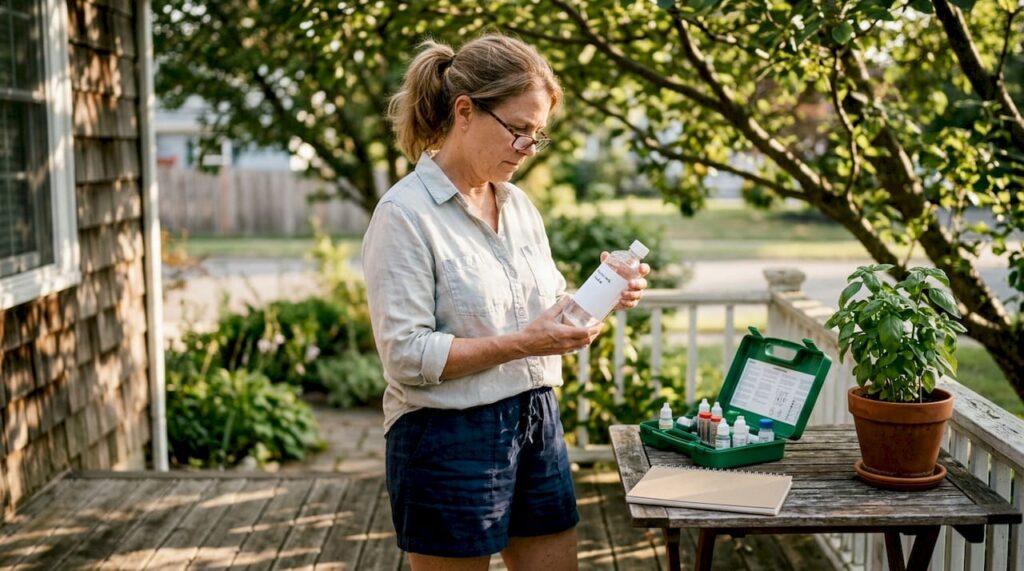
Water safety testing is defined as the process of measuring contaminant levels in a water supply to confirm it meets health-based standards set by the EPA and state regulatory bodies. For property owners and managers in New Jersey, the role of testing in water safety goes beyond routine compliance. It is the only reliable method to detect invisible threats before they cause illness or legal exposure. Contaminants like lead, arsenic, and PFAS leave no taste, smell, or color change in water. Testing converts that invisible risk into documented, actionable data.
What does water testing actually detect, and why does it matter?
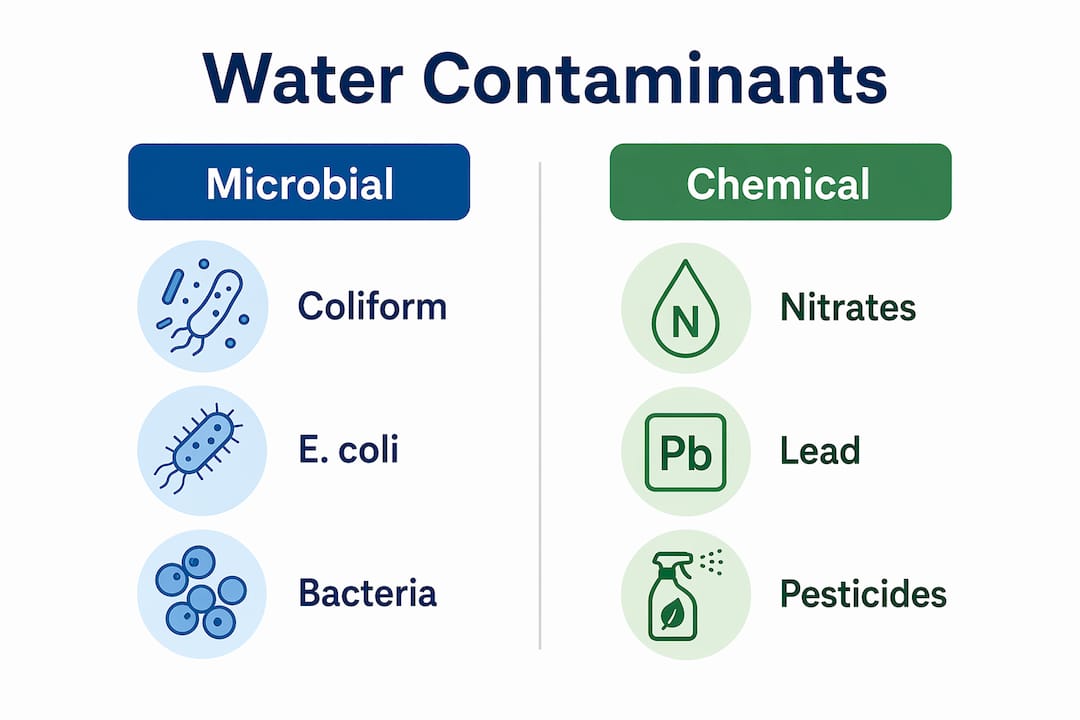
Water quality assessment starts with knowing what you are looking for. The most common contaminants found in New Jersey water supplies fall into five categories: coliform bacteria (including E. coli), nitrates, heavy metals such as lead and arsenic, volatile organic compounds (VOCs), and per- and polyfluoroalkyl substances (PFAS).
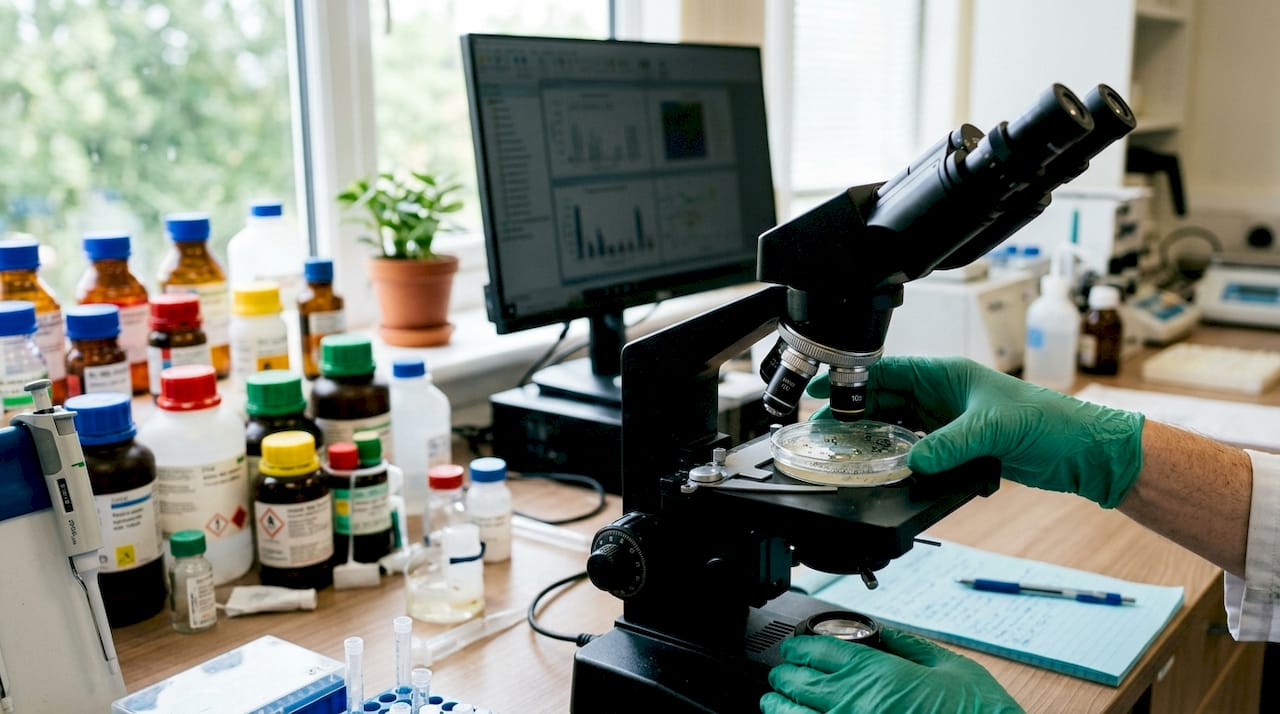
Many harmful contaminants have no taste, smell, or visible change, making visual checks completely unreliable. That fact alone makes testing non-negotiable. A property that looks and smells fine can still carry lead concentrations above the EPA action level of 15 parts per billion, or nitrate levels that pose a direct risk to infants.
Each contaminant type requires a different detection method. Coliform bacteria testing uses membrane filtration or presence-absence methods. Heavy metals require inductively coupled plasma mass spectrometry (ICP-MS). PFAS detection relies on EPA Method 533 or 537.1. Knowing which test to order is as important as ordering one at all.
| Contaminant | Primary health risk | Common test method |
|---|---|---|
| Coliform/E. coli | Gastrointestinal illness | Membrane filtration |
| Nitrates | Infant methemoglobinemia | Ion chromatography |
| Lead | Neurological damage | ICP-MS |
| PFAS | Cancer, immune disruption | EPA Method 533/537.1 |
| VOCs | Liver and kidney damage | EPA Method 524 |
Pro Tip: Order a comprehensive panel rather than a single-parameter test when testing a private well for the first time. A broad baseline catches problems you did not know to look for.
How and when should New Jersey property owners test their water?
The EPA recommends that private well owners test annually for total coliform bacteria and nitrates at minimum. That is the floor, not the ceiling. New Jersey’s Department of Environmental Protection (NJDEP) adds requirements for properties with specific risk factors, including proximity to agricultural land, older plumbing, or recent construction activity.
Testing frequency should increase in several situations:
- After flooding or a natural disaster. Flooding can contaminate wells with surface bacteria and chemical runoff, requiring immediate testing before the water is used again.
- After plumbing repairs or replacements. Disturbing pipes can dislodge sediment and introduce contaminants.
- When a new tenant or occupant moves in. Baseline documentation protects both the property manager and the occupant.
- When vulnerable populations are present. Households with young children, older adults, or immunocompromised individuals need more frequent testing because the health consequences of exposure are more severe.
- When water appearance, taste, or odor changes. Even though most contaminants are imperceptible, sensory changes can signal a new problem worth investigating.
For sampling accuracy, collect water from a cold-water tap after letting it run for 30 seconds to flush standing water. Use sterile containers provided by the lab. Improper collection is a common failure point. Sampling quality critically affects test accuracy, and no lab can correct a poorly collected sample after the fact.
New Jersey property owners can access certified labs through the NJDEP’s list of state-certified environmental laboratories. Some county health departments offer free or low-cost testing programs, particularly for private well owners. Modern testing portals typically return results within 2–4 business days, so the process does not require a long wait.
Pro Tip: Keep a water testing log with dates, parameters tested, lab name, and results. This record is your first line of defense if a tenant complaint or regulatory inquiry ever arises.
How do you interpret water test results and act on them?
A water test report lists each analyte, its measured concentration, the detection limit, and the applicable health standard. Interpreting results correctly means comparing measured levels to those health-based standards, not just scanning for a pass or fail label.
The process for acting on results follows a clear sequence:
- Compare each result to the Maximum Contaminant Level (MCL). The EPA sets MCLs for regulated contaminants. Any reading above an MCL requires immediate action, not a wait-and-see approach.
- Identify contaminants near but below the MCL. A reading at 80% of the MCL is not a violation today, but it signals a trend worth monitoring. Schedule a follow-up test within six months.
- Select a treatment method matched to the contaminant. Chlorination addresses bacterial contamination. Reverse osmosis removes nitrates, lead, and PFAS. Activated carbon filtration targets VOCs. Treating without knowing the contaminant wastes money and may not solve the problem.
- Re-test after treatment. Installing a filter or disinfection system does not guarantee the problem is resolved. A post-treatment test confirms the system is working.
- Document everything. For property managers, test results and treatment records are legal protection. They demonstrate due diligence if a water quality complaint escalates.
Laboratory testing provides higher accuracy than home kits because certified labs use validated methods, chain-of-custody documentation, and quality assurance protocols. For compliance purposes, only accredited lab results carry legal weight in New Jersey.
Trend analysis matters as much as any single result. One clean test does not mean the water is permanently safe. Seasonal changes, nearby land use shifts, and aging infrastructure all affect water quality over time. Property managers who test annually build a data record that reveals patterns before they become crises.
What advanced testing methods are changing water quality assessment?
Water quality assessment is moving beyond periodic grab samples toward continuous and computationally assisted monitoring. Advanced computational indices achieved a classification accuracy of 91.56% in recent water quality management studies. That level of precision means localized contamination events that would slip past traditional sampling can now be flagged in real time.
The World Health Organization’s 2026 drinking water quality guidelines call for a shift from intermittent testing to risk-based, supply-chain-wide management. That approach, called Water Safety Planning, maps every potential contamination point from source to tap and assigns monitoring priorities based on risk level. Large commercial property managers in New Jersey are beginning to adopt this framework for complex water systems.
| Approach | Best for | Key limitation |
|---|---|---|
| Periodic lab testing | Compliance documentation, private wells | Misses events between test dates |
| Continuous monitoring sensors | Large facilities, municipal systems | High upfront cost |
| At-home test kits | Quick screening only | Not valid for regulatory compliance |
| Accredited lab analysis | All compliance and legal purposes | Requires proper sample collection |
For most New Jersey property owners, accredited lab testing remains the practical standard. Continuous monitoring sensors are cost-effective primarily for large commercial or industrial facilities. At-home kits serve as a screening tool only. They do not replace certified lab analysis for any compliance purpose, and accredited lab analysis is superior for documented quality assurance.
Backflow prevention is one area where water safety and infrastructure management intersect directly. Understanding backflow contamination risks helps property managers see why testing alone is not enough. A backflow event can introduce contaminants into a clean supply line between test dates, making prevention devices and annual testing a paired requirement, not alternatives.
Proper water heater maintenance also affects water quality. Sediment buildup in water heaters can harbor bacteria, including Legionella, which standard coliform tests may not capture unless specifically ordered.
Key Takeaways
Water safety testing is the only method that converts invisible contamination risks into documented evidence, making it the foundation of every compliant property water management program in New Jersey.
| Point | Details |
|---|---|
| Test annually at minimum | EPA recommends yearly testing for coliform bacteria and nitrates in private wells. |
| Contaminants are invisible | Lead, PFAS, and arsenic have no taste or smell, so appearance cannot confirm safety. |
| Use accredited labs for compliance | Only certified lab results carry legal weight for regulatory compliance in New Jersey. |
| Act on trends, not single results | One clean test is not a guarantee; annual records reveal patterns before problems escalate. |
| Pair testing with prevention | Backflow prevention devices protect water quality between test dates. |
Why I think most property owners are testing too late
Property owners tend to test reactively. A tenant complains, a pipe bursts, or a notice arrives from the municipality. By that point, the exposure has already happened. The test is confirming damage, not preventing it.
The more useful mental model is to treat water testing the way you treat a property inspection before a lease renewal. You do it on a schedule, not because something looks wrong. The data you collect over three or four years tells a story that a single test never can. I have seen property managers install expensive whole-house filtration systems without a single baseline test, spending thousands on a solution to a problem they never confirmed existed. Homeowners often install treatment systems unnecessarily without proper testing, which leads to higher costs and wasted resources.
The other mistake is treating testing and treatment as separate decisions. They are not. A test result without a follow-up action plan is just a piece of paper. The value of testing comes from what you do with the data. Schedule the test, get the results, compare them to EPA MCLs, and have a licensed professional review any readings that concern you. That sequence, repeated annually, is what water safety actually looks like in practice.
Record keeping is the part most property managers skip. Your test log is your legal record. If a tenant ever claims illness from water quality, your documented history of annual testing and any corrective actions is your defense. Build that record from day one.
— Jordan
Southjerseybackflow: your partner for NJ water safety compliance
New Jersey property owners face specific compliance requirements that go beyond basic water testing. Backflow prevention is one of the most commonly cited plumbing code obligations, and failing to meet it puts both your water supply and your compliance record at risk.

Southjerseybackflow specializes in backflow testing and compliance for property owners and managers across New Jersey. The team understands local municipal requirements, handles test submissions, and provides inspection and repair services when devices fail. Whether you manage a single residential property or a portfolio of commercial buildings, Southjerseybackflow helps you stay current with NJ regulations. You can also review the NJ residential backflow protection guide to understand what your property specifically requires.
FAQ
What is the role of testing in water safety?
Water safety testing measures contaminant levels in a water supply and compares them to EPA and state health standards. It is the only way to confirm water is safe to drink, since most dangerous contaminants are invisible, odorless, and tasteless.
How often should New Jersey property owners test their water?
The EPA recommends annual testing for private well owners, covering total coliform bacteria and nitrates at minimum. Additional testing is required after flooding, plumbing changes, or when vulnerable occupants are present.
Are home test kits sufficient for compliance in New Jersey?
Home test kits are not valid for regulatory compliance. Only results from NJDEP-certified accredited laboratories carry legal weight for compliance documentation in New Jersey.
What should I do if a water test result exceeds the EPA limit?
Stop using the water for drinking or cooking immediately, notify occupants, and contact a licensed water treatment professional. Re-test after any treatment system is installed to confirm the problem is resolved.
Does backflow affect water test results?
A backflow event can introduce bacteria, chemicals, or other contaminants into a clean supply line between scheduled test dates. Backflow prevention devices reduce this risk and should be tested annually alongside your water quality assessment.