FAQ
Why Do I Need a Backflow Preventer? A Complete Guide for New Jersey Property Owners
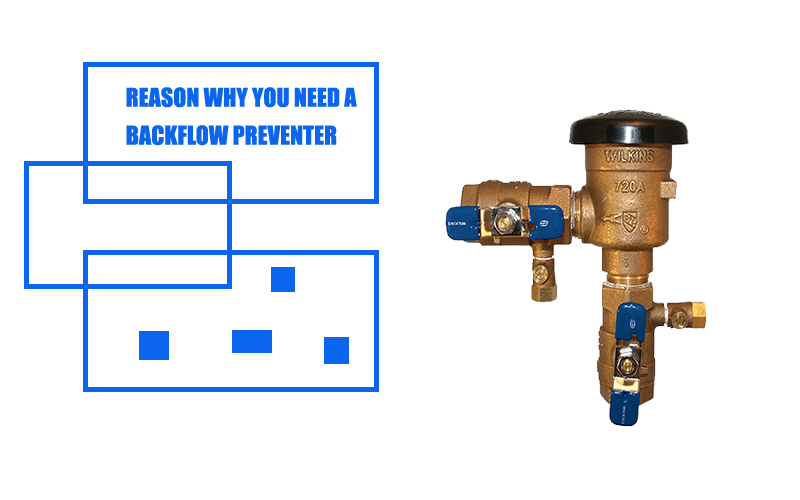
If you own a home or commercial property in New Jersey, you may have received a notice from your municipality, your water utility, or a licensed plumber telling you that a backflow preventer is required. But what exactly is it, why does it matter, and what happens if you don’t have one? This guide answers every question you may have about why backflow prevention is not just a legal obligation in New Jersey — it’s one of the most important safeguards for your drinking water, your property, and your community.
What Is Backflow, and Why Is It Dangerous?
Before we explore the reasons you need a backflow preventer, it’s essential to understand what backflow actually is and why it poses such a serious threat.
Water in a municipal system is designed to flow in one direction: from the treatment facility, through the distribution network, and into your home or business. Backflow occurs when this normal flow reverses — meaning contaminated or non-potable water from your property travels backward into the public water supply. To learn more about the mechanics, read our detailed explanation of what a backflow preventer is and how it works.
There are two main causes of backflow: back-pressure (when downstream pressure exceeds upstream supply pressure) and back-siphonage (when negative pressure creates a suction effect that pulls contaminated water backward). Both can happen without warning due to water main breaks, firefighting operations, or sudden pressure drops in the distribution system.
The contaminants that backflow can introduce into the public water supply include fertilizers and pesticides from irrigation systems, human waste, industrial chemicals, chlorine, soaps and detergents, heavy metals, bacteria and viruses, and raw sewage. A single backflow event can contaminate an entire neighborhood’s water supply, triggering health emergencies that are costly and dangerous to remediate.
Reason #1: New Jersey State Law Requires It
New Jersey’s Uniform Plumbing Code — specifically N.J.A.C. 7:14B — mandates that all testable backflow prevention devices connected to a public water supply must be tested annually by a state-licensed professional. This is not optional. If you receive a compliance notice from your municipality or water utility and ignore it, you risk fines, penalties, and even water service shutoffs. Our page on how often backflow preventers should be tested in New Jersey has a full breakdown of testing requirements by device type and local jurisdiction.
Beyond state law, New Jersey’s Department of Environmental Protection (NJDEP) and local water authorities such as New Jersey American Water enforce their own compliance programs. These agencies track backflow test submissions and follow up with property owners who are out of compliance. The penalties can escalate quickly — and the liability exposure in the event of a contamination event is significant.
Reason #2: Protecting Your Drinking Water from Contamination
Your drinking water comes from a carefully treated and monitored public water system. A properly installed and functioning backflow preventer is the last line of defense between that safe water and whatever is in your irrigation system, pool fill line, fire suppression system, or industrial process piping.
Consider a common scenario: You have an in-ground irrigation system that draws from the same supply as your drinking water. The irrigation lines sit in soil that may contain pesticides, fertilizers, and bacteria. If a water main breaks nearby and pressure drops in the system, back-siphonage can literally pull that contaminated water backward through your hose bib or irrigation connection and into the municipal supply. Without a properly functioning backflow preventer on your irrigation system, that contaminated water can reach your neighbors’ taps.
This is precisely why knowing how to identify whether your home has a backflow device is so important. Many homeowners are unaware that their property is required to have one — or that an existing device may have failed.
Reason #3: Protecting Your Property from Water Damage
Beyond public health, backflow events can cause serious and expensive property damage. When water flows backward through your plumbing system, it can overwhelm internal fixtures, burst pipes, flood basements, and damage appliances. In commercial settings, backflow events have been responsible for hundreds of thousands of dollars in property damage.
If you have a fire sprinkler system, a pool, or a large irrigation system, these represent particularly high-risk cross-connections. A failed or absent backflow preventer means that during a pressure event, water could surge in the wrong direction through these connections — causing damage that insurance may or may not cover, depending on whether you were in compliance with local codes.
Reason #4: Required for NFPA Compliance and Occupancy Certification
If your property has a fire sprinkler system, the National Fire Protection Association (NFPA) requires that a compliant backflow preventer be installed to obtain and maintain occupancy certification. This applies to commercial buildings, apartment complexes, schools, hospitals, restaurants, and many other property types.
Without a certified backflow preventer on your fire suppression system, you cannot legally occupy or operate many types of commercial spaces in New Jersey. Inspectors will look for this during certificate of occupancy reviews, and failing to have a compliant device in place can halt construction, prevent occupancy, or result in business closure orders.
Reason #5: Cross-Connection Control Is Your Responsibility
Under New Jersey law, cross-connection control — meaning the prevention of any physical connection between potable and non-potable water — is the legal responsibility of the property owner. You are not off the hook because your plumber installed the device years ago. You are responsible for ensuring that it is tested annually, maintained in good working order, and replaced or repaired when necessary.
If you’re weighing whether to repair or replace an aging device, our guide on how to decide whether to repair or replace your backflow preventer covers all the factors to consider, including assembly condition, parts availability, valve size, and cost comparison.
Reason #6: Protecting Against Disease Outbreaks
The public health consequences of backflow contamination can be severe. Waterborne illnesses caused by Giardia, Cryptosporidium, E. coli, Legionella, and other pathogens have all been linked to backflow incidents in documented cases across the United States. In New Jersey, with its dense population and aging water infrastructure in many areas, the risk is particularly acute.
Backflow preventers are a critical component of the multi-barrier approach to drinking water safety. Municipal water treatment removes the vast majority of contaminants at the source — but backflow can reintroduce them downstream, after treatment and testing have already occurred. This is why the point-of-entry protection provided by backflow preventers is so important.
Reason #7: Lower Long-Term Costs Through Preventive Maintenance
Some property owners view backflow prevention as an unnecessary expense. In reality, the cost of installing, testing, and rebuilding a backflow preventer is minimal compared to the potential costs of contamination cleanup, property damage repair, fines and penalties, legal liability, and emergency plumbing work. Annual testing typically costs between $150 and $250, and catching a problem early through a scheduled test can prevent a far more expensive failure.
Think of it like smoke detector testing or HVAC maintenance. Small, routine investments in compliance protect you from catastrophic and unpredictable costs down the road.
Who Needs a Backflow Preventer in New Jersey?
In New Jersey, virtually every property connected to the public water supply requires some form of backflow protection. The specific type of device required depends on the hazard level of the cross-connection. The following property types are almost universally required to have testable backflow prevention devices:
Homes and businesses with in-ground irrigation systems or lawn sprinkler systems
Properties with swimming pools, hot tubs, or decorative water features connected to potable water
Commercial and industrial properties with chemical mixing, processing, or laboratory equipment
Healthcare facilities, including hospitals, dental offices, and dialysis centers
Restaurants and food service establishments with commercial dishwashers or food prep equipment
Multi-family residential buildings with shared water systems
Properties with fire sprinkler or suppression systems
Car washes, laundromats, and similar high-water-use commercial operations
If you’re unsure whether your property requires a specific type of device, our guide on the different types of backflow preventer valves explains the options available and what each is designed to protect against.
What Happens If You Don't Have a Backflow Preventer?
Failing to install or maintain a required backflow preventer in New Jersey can lead to a cascade of consequences. First, you may receive a formal notice of violation from your water utility or local health department. If you fail to respond in time, you face escalating fines. In some cases, your water service can be shut off until compliance is achieved. In the event of a contamination event traced back to your property, you face potential civil liability to affected neighbors, businesses, and the municipality.
Beyond legal and financial consequences, the most serious outcome is a public health emergency. Backflow-related contamination events are rare precisely because backflow prevention requirements are enforced — but when they occur, the consequences are swift and severe.
Why Choose South Jersey Backflow?
South Jersey Backflow has been protecting New Jersey property owners since 2004. We are a family-owned, fully licensed, and insured backflow prevention specialist serving residential and commercial customers throughout Burlington County, Camden County, and communities across South and Central Jersey.
Our certified technicians provide annual backflow testing and certification, professional backflow repairs and rebuilds, and protective backflow enclosures. We handle all paperwork filings with your local municipality, water utility, and the NJDEP. Read what our customers say on our testimonials page, or explore our full FAQ section for answers to every backflow prevention question.
Ready to Schedule Your Backflow Service in New Jersey?
South Jersey Backflow has served residential and commercial customers across New Jersey since 2004. Our certified technicians handle backflow preventer testing, repairs and rebuilds, and protective enclosures — all with transparent pricing and 24/7 emergency availability. Contact us today or call (856) 291-6809 to get started.