FAQ
What Is a Backflow Preventer and How Does It Work? A Complete Guide for New Jersey Homeowners and Business Owners
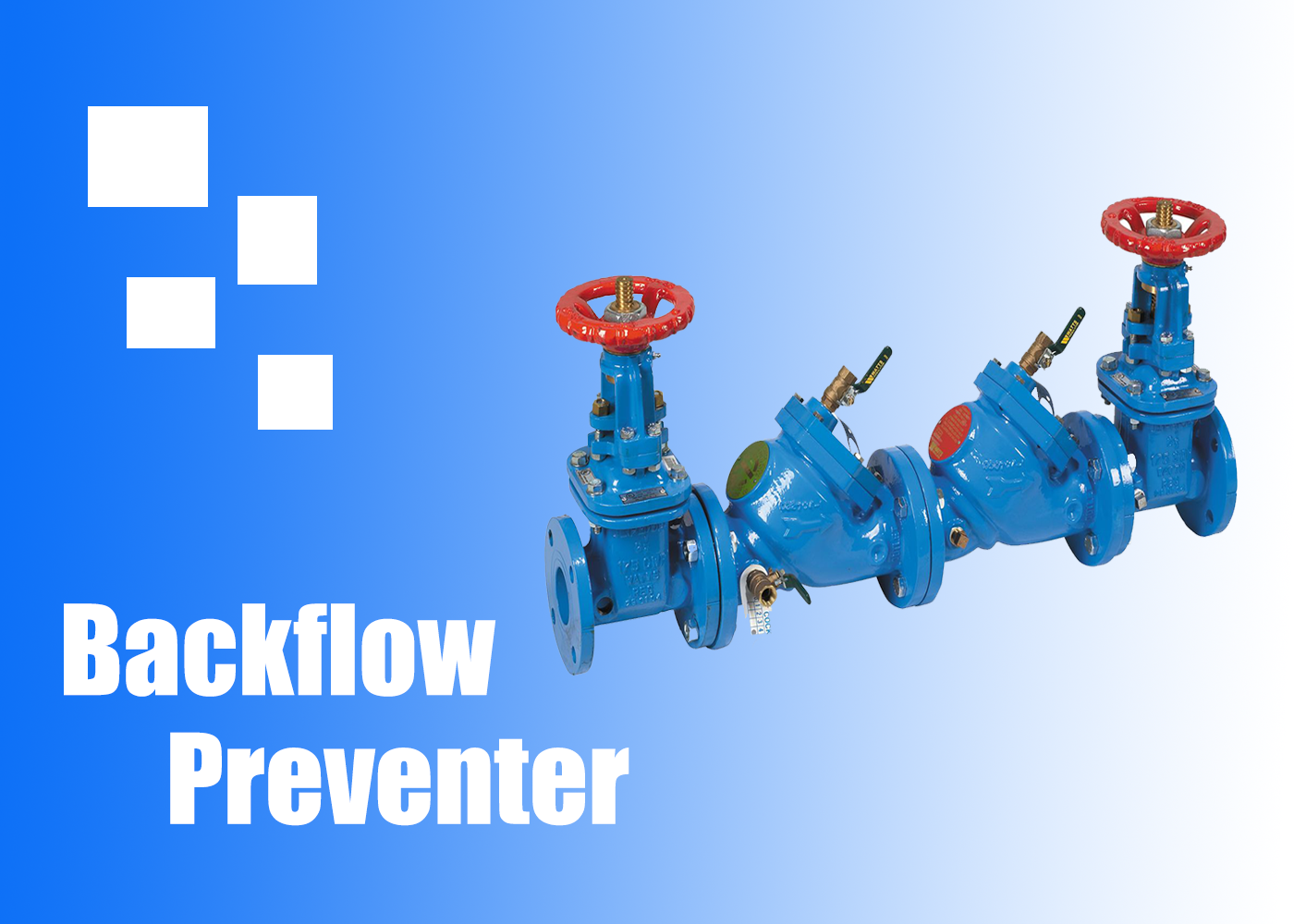
Most people don’t think about their plumbing system until something goes wrong. But there’s one piece of plumbing infrastructure that quietly protects your drinking water — and your entire community’s water supply — every single day: the backflow preventer. If you’ve received a compliance notice, are installing a new irrigation system, or simply want to understand what’s in your property’s mechanical room, this guide will explain everything clearly and thoroughly.
Understanding how a backflow preventer works is also essential context for decisions like whether to repair or replace your device or how often your device needs to be tested under New Jersey law.
What Is a Backflow Preventer?
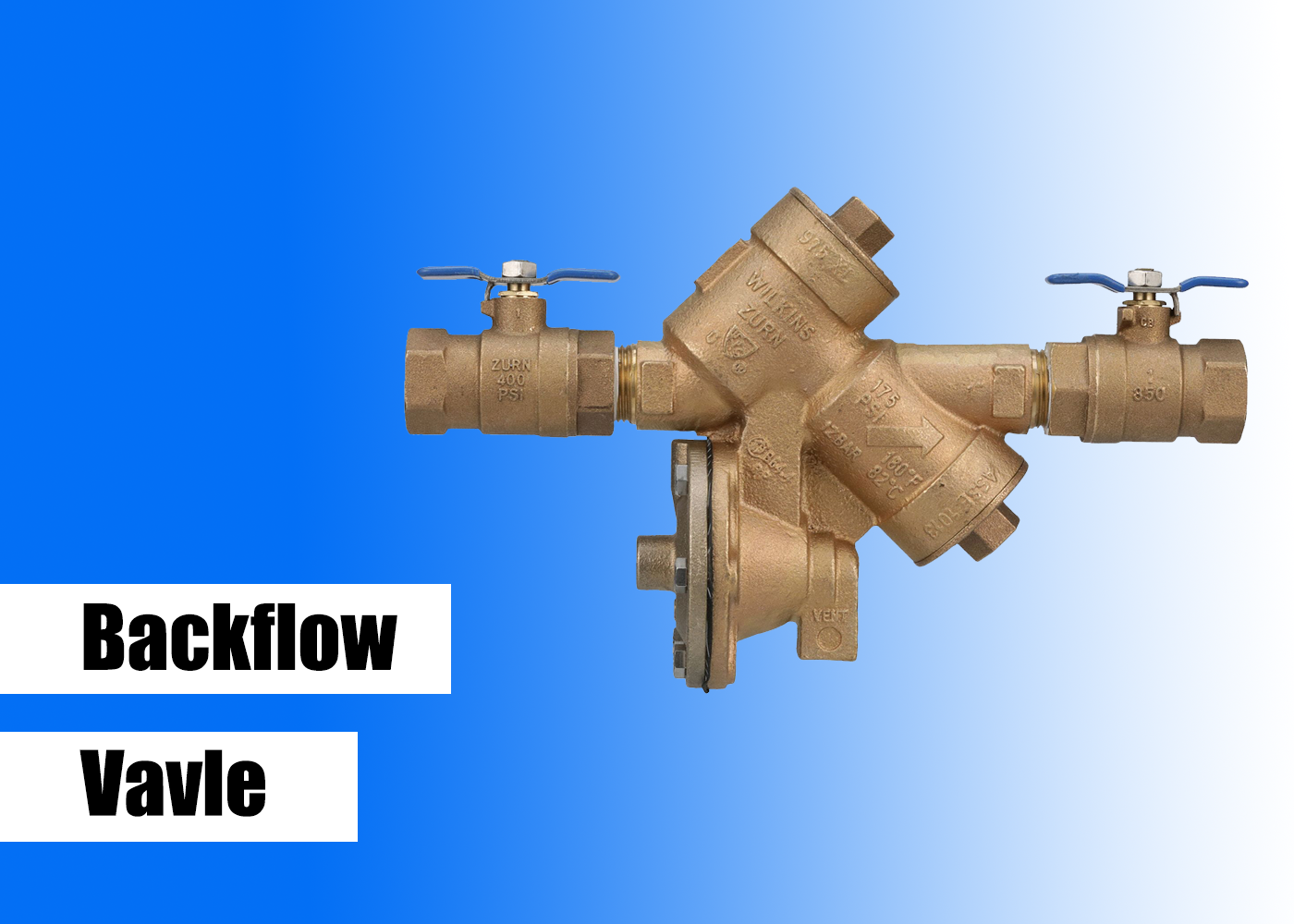
A backflow preventer is a mechanical device installed in a water supply pipe whose sole purpose is to allow water to flow in one direction only — toward your property — and prevent it from flowing in reverse back into the public water system. It is, in the simplest terms, a one-way gate for your drinking water.
This matters because a public water system is designed to maintain positive pressure that pushes clean, treated water toward homes and businesses. But pressure in a water distribution system can change suddenly and dramatically. Water main breaks, firefighting operations, pump failures, and sudden high-demand events can all cause pressure to drop — and when pressure drops, the normal direction of flow can reverse. This reversal is called backflow.
When backflow occurs without a prevention device in place, whatever is in your property’s plumbing — including irrigation chemicals, bacteria-laden soil water, swimming pool chemicals, industrial process fluids, or raw sewage — can be pulled backward into the municipal water supply, potentially contaminating the drinking water for an entire neighborhood.
What Causes Backflow? Understanding Back-Pressure and Back-Siphonage
Back-Pressure Backflow
Back-pressure backflow occurs when the pressure on the downstream side of a cross-connection (i.e., on your property) becomes greater than the pressure on the upstream side (i.e., in the water main). This can happen when a booster pump on your irrigation system, fire suppression system, or industrial equipment generates pressure that exceeds the supply pressure. The resulting pressure differential pushes non-potable water backward into the potable water supply.
Back-pressure backflow is most common in commercial and industrial settings where pumps and pressurized equipment are frequently used. It can also occur in multi-story buildings where gravity creates elevation-based pressure on lower-level plumbing.
Back-Siphonage Backflow
Back-siphonage backflow occurs when a sudden negative pressure — essentially a vacuum — develops in the supply line. This creates a suction effect that pulls water backward from your property into the main. The most common cause of back-siphonage is a sudden drop in supply pressure, which can happen when a water main breaks, when a nearby fire hydrant is opened, or when high demand elsewhere in the system suddenly drops the local pressure.
Back-siphonage is the type of backflow most commonly associated with residential scenarios — like a garden hose submerged in a bucket of chemicals being sucked backward when the city opens a fire hydrant nearby. This is why even simple hose connections may require a backflow prevention device, and why knowing whether your home has a backflow device is an important starting point for every homeowner.
How Does a Backflow Preventer Work?
All backflow preventers share the same fundamental operating principle: they use one or more spring-loaded check valves that open under normal forward flow and snap shut the moment flow begins to reverse. This mechanical action blocks the backward movement of water before any contamination can occur. The specific mechanism varies by device type:
Pressure Vacuum Breakers (PVB)
A Pressure Vacuum Breaker contains a spring-loaded check valve and an air inlet valve. Under normal forward flow, the check valve opens and the air inlet closes. If pressure drops and back-siphonage begins, the check valve snaps shut and the air inlet opens, introducing air into the line. This air breaks the vacuum and prevents backward suction. PVBs are widely used on residential irrigation systems and must be installed at least six inches above the highest point of the irrigation system.
Double Check Valve Assemblies (DCVA)
A Double Check Valve Assembly uses two independent spring-loaded check valves in series, with test cocks between them to allow field testing. If one check valve fails, the second provides backup protection. DCVAs are suitable for low-to-medium hazard cross-connections and are commonly used on irrigation systems, fire suppression lines, and commercial building water entries where the hazard is rated as low or non-health.
Reduced Pressure Zone Assemblies (RPZ)
The RPZ is the highest level of backflow protection available and is required by New Jersey regulations wherever the potential contamination poses a health hazard. It consists of two independently operating spring-loaded check valves and a hydraulically operated, pressure-differential relief valve between them. The relief valve is calibrated to open and discharge water to atmosphere if the pressure between the two check valves drops to a level that indicates one check valve has failed. This mechanical redundancy makes the RPZ the most reliable and failsafe backflow prevention device available.
RPZ assemblies are required for high-hazard cross-connections including chemical injection systems, medical equipment, car washes, facilities handling toxic materials, and most commercial and industrial applications. Learn more in our guide to the different types of backflow preventer valves.
Atmospheric Vacuum Breakers (AVB)
An Atmospheric Vacuum Breaker is the simplest type of backflow preventer. It uses air and water pressure to operate without check valves. Typically elbow-shaped, AVBs are installed on individual hose bibs and faucet connections as a simple, inexpensive protection measure. They cannot be tested with standard test equipment and are not suitable for continuous pressure applications or high-hazard cross-connections.
Double Check Detector Assemblies (DCDA)
A DCDA works like a standard Double Check Valve Assembly but includes an additional bypass meter that detects unauthorized water use. This makes it particularly useful on fire suppression lines, where the meter can detect leaks or unauthorized withdrawals that might otherwise go unnoticed.
Where Is a Backflow Preventer Installed?
The installation location depends on the type of device and the nature of the cross-connection it’s protecting. In most residential applications, the backflow preventer is installed where the irrigation system branches off from the main water supply line — typically near the water meter, outside the home, or in a mechanical room. In commercial applications, the device may be installed at the building’s main water entry point (a ‘service protection’ device) or at specific equipment locations throughout the facility.
In New Jersey, the specific installation requirements — including height, orientation, accessibility for testing, and proximity to the water meter — are governed by local plumbing codes and water authority regulations. Our technicians are fully current on all local requirements throughout the communities we serve.
Do You Need a Backflow Preventer in New Jersey?
The short answer: if your property is connected to a public water supply and has any of the following, you almost certainly need a testable backflow prevention device: an in-ground irrigation or sprinkler system, a swimming pool or hot tub connected to potable water, a fire sprinkler or suppression system, a chemical mixing or injection system, a commercial dishwasher or food service equipment, or any industrial process piping. For a full list, see our guide to all the reasons you need a backflow preventer in New Jersey.
New Jersey law requires annual testing and certification of all testable devices. The cost of backflow preventer testing in New Jersey is modest — typically $150 to $250 for a residential device — and is a mandatory legal obligation, not an optional service.
What Happens When a Backflow Preventer Fails?
Backflow preventers can fail gradually or suddenly. Common failure modes include check valve springs that weaken over time, rubber diaphragms and O-rings that crack or harden with age, mineral buildup that prevents check valves from seating properly, and relief valves that stick open or closed. A device that has failed may not look different from the outside, which is precisely why annual testing by a certified professional is required by law — you cannot visually inspect your way to confidence in a backflow preventer.
If your device fails its annual test, you’ll need professional backflow repair or rebuild service promptly to restore compliance. Our team provides same-day and next-day service for most repair situations, and we carry parts for all major brands in our service vehicles.
How South Jersey Backflow Can Help
South Jersey Backflow has specialized in backflow prevention testing, repair, and certification since 2004. We serve residential and commercial properties throughout New Jersey, from Burlington County and Camden County to communities across South and Central Jersey. Our certified technicians can evaluate your property’s cross-connections, recommend the appropriate device, install and certify your backflow preventer, and handle all required filings with your water authority. Visit our full FAQ section for more answers, or read our library of technical articles for deeper dives into specific backflow topics.
Ready to Schedule Your Backflow Service in New Jersey?
South Jersey Backflow has served residential and commercial customers across New Jersey since 2004. Our certified technicians handle backflow preventer testing, repairs and rebuilds, and protective enclosures — all with transparent pricing and 24/7 emergency availability. Contact us today or call (856) 291-6809 to get started.