
TL;DR:
- Water contamination includes physical, chemical, biological, and radiological substances that jeopardize water safety. Regular testing and maintaining backflow prevention devices are vital for homeowners and property managers to ensure safe drinking water.
Water contamination is defined as the presence of physical, chemical, biological, or radiological substances in water that compromise its safety for drinking, cooking, or household use. The Safe Drinking Water Act classifies contaminants across four categories regardless of concentration, meaning even trace amounts qualify as contamination under federal law. That distinction matters because municipal water typically contains small amounts of regulated contaminants, and safety depends entirely on whether those levels meet established health criteria. For homeowners and property managers, understanding water contamination explained in plain terms is the first step toward protecting the people in your building.
What are the main types and sources of water contamination?
Water contaminants fall into four categories, each with distinct sources and risks.
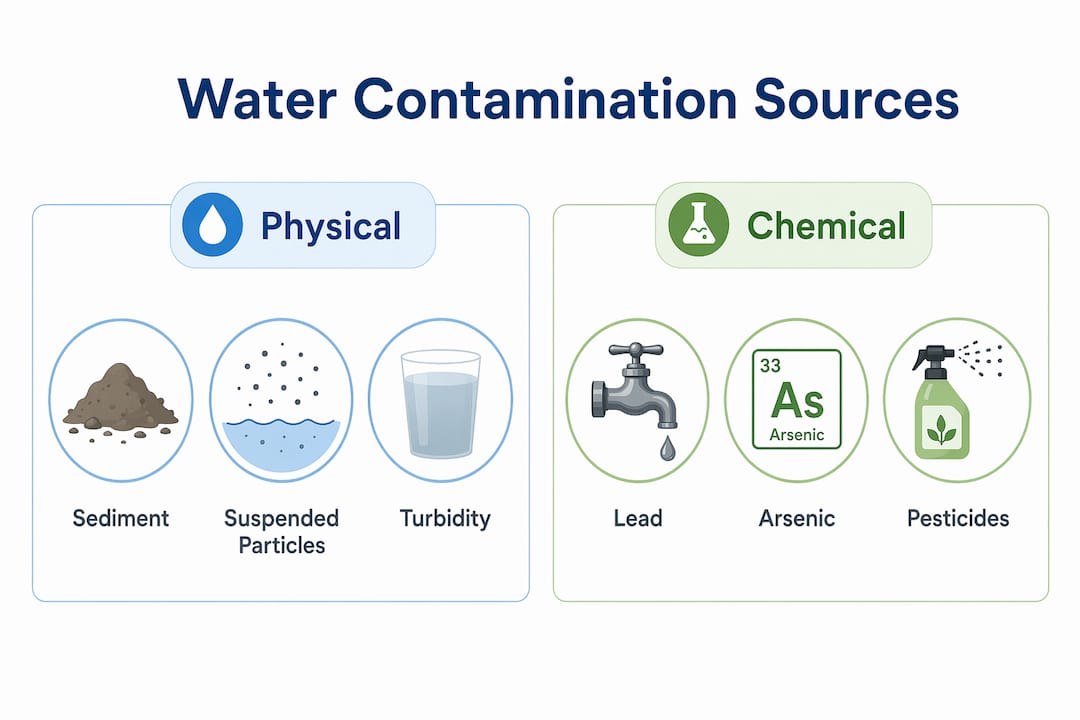
Physical contaminants include sediment, suspended particles, and turbidity. These alter the appearance of water and can carry other pollutants. Sediment from eroding riverbanks or disturbed soil is the most common physical contaminant in surface water supplies.
Chemical contaminants cover the widest range of threats. Lead, arsenic, nitrates, pesticides, and PFAS (per- and polyfluoroalkyl substances) all fall here. Lead enters water through plumbing corrosion in older pipes and fixtures, making homes built before 1986 particularly vulnerable. Nitrates come from agricultural runoff and wastewater discharge, concentrating in groundwater near farms.
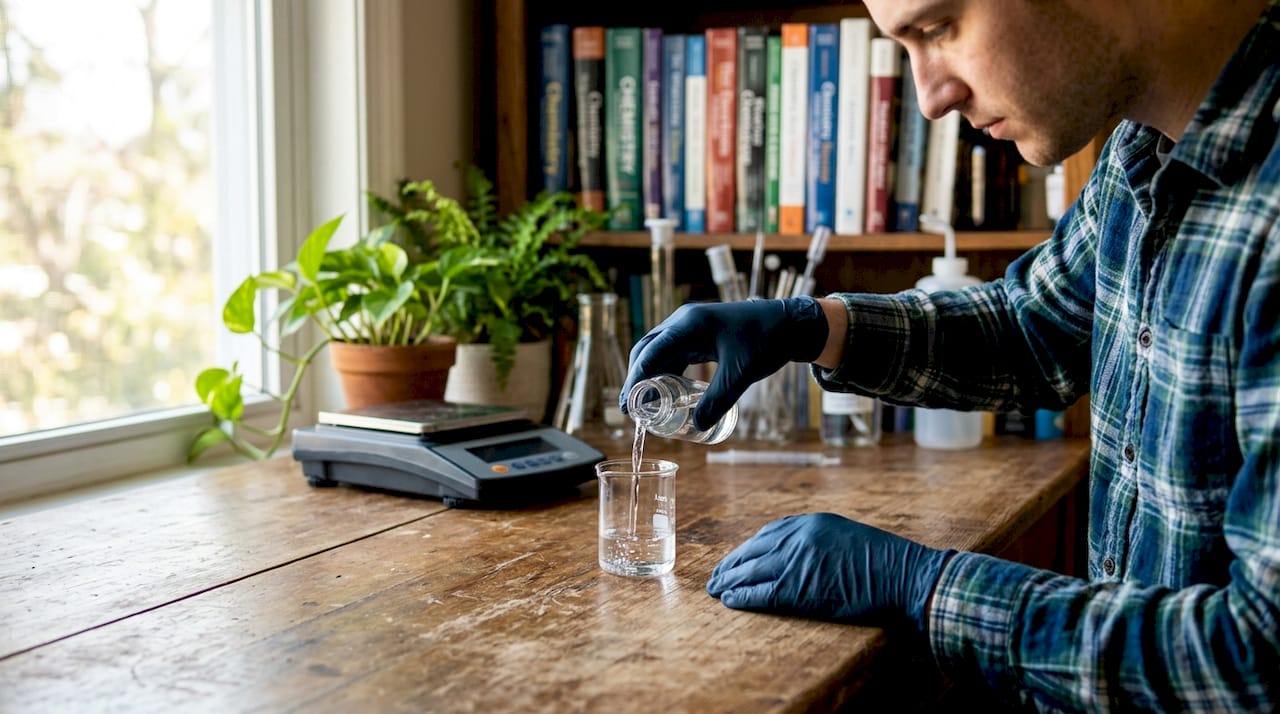
Biological contaminants include bacteria, viruses, and protozoa such as Giardia and Cryptosporidium. These cause the most immediate health effects and are the primary concern after flooding or infrastructure failures.
Radiological contaminants include naturally occurring radionuclides like radon and uranium, which leach from rock formations into groundwater. These are less common but require lab testing to detect.
Common contamination sources
- Agricultural runoff carrying pesticides, herbicides, and excess fertilizer into streams and aquifers
- Industrial discharge releasing heavy metals and synthetic chemicals into surface water
- Aging plumbing infrastructure leaching lead, copper, and other metals directly into tap water
- Septic system failures introducing bacteria and nitrates into nearby groundwater
- Stormwater runoff picking up road chemicals, pet waste, and lawn treatments
The scale of the upstream problem is significant. Approximately 80% of global wastewater is discharged untreated into water bodies. That figure explains why contamination pressure on municipal treatment systems remains high even in developed countries.
| Contaminant type | Common source | Primary risk |
|---|---|---|
| Lead | Corroded pipes and fixtures | Neurological damage, especially in children |
| Nitrates | Agricultural runoff, septic systems | Methemoglobinemia in infants |
| E. coli | Fecal contamination, sewage overflow | Acute gastrointestinal illness |
| PFAS | Industrial discharge, firefighting foam | Long-term chronic health effects |
| Sediment | Erosion, construction runoff | Turbidity, carrier for other pollutants |
Pro Tip: If your home was built before 1986, request a lead test from a certified lab before assuming your tap water is safe. Older solder and pipe materials are the most common lead source in residential settings.
How is water contamination detected and monitored?
Detection separates manageable risk from real danger. Knowing what to test for, and when, is the core of any practical water safety strategy.
Indicator organisms and lab testing
E. coli serves as the standard indicator for fecal contamination in drinking water. Its presence signals that pathogens from human or animal waste have entered the supply. That makes E. coli testing the first check after any flooding event, well disturbance, or unexplained illness in a household.
Chemical and radiological contaminants require separate lab panels. A standard water quality test from a state-certified lab covers nitrates, pH, hardness, coliform bacteria, and lead. Homeowners near agricultural areas should add pesticide and nitrate panels. Those on private wells near industrial sites should test for PFAS and volatile organic compounds.
Regulatory monitoring and Maximum Contaminant Levels
The EPA sets Maximum Contaminant Levels (MCLs) for over 90 substances in public water systems. MCLs represent the highest concentration of a contaminant allowed in drinking water delivered to any user. Public water systems must test regularly and report results annually in a Consumer Confidence Report, which your utility is required to provide.
Water quality standards include three core components: designated uses for the water body, scientific criteria protecting those uses, and antidegradation policies preventing quality from declining. That framework means “clean water” is not a single fixed standard. It depends on what the water is used for and where it comes from.
Testing steps for homeowners and property managers
- Identify your water source: public utility or private well. Private well owners carry full testing responsibility with no regulatory backup.
- Request your utility’s most recent Consumer Confidence Report to see what contaminants were detected and at what levels.
- Order a certified lab test for contaminants not covered by your utility report, especially lead at the tap.
- Test private wells at minimum once per year for bacteria and nitrates, and after any nearby construction, flooding, or chemical spill.
- Interpret results against EPA MCLs and health advisory levels, not just pass/fail labels from the testing company.
Pro Tip: State health departments maintain lists of certified water testing labs. Using a certified lab matters because results from uncertified kits are not accepted by regulators or insurers.
What are the health and environmental effects of contaminated water?
Contaminated water produces two distinct categories of harm: acute effects that appear within hours or days, and chronic effects that build over years of low-level exposure.
Acute health risks
Biological contaminants cause the fastest harm. Drinking water with E. coli or Cryptosporidium can trigger gastrointestinal illness within 24 hours. Symptoms include nausea, vomiting, diarrhea, and fever. Infants, elderly residents, pregnant women, and immunocompromised individuals face the most severe outcomes from these exposures.
Dangerous contaminants like lead, arsenic, and PFAS are often invisible and require lab testing to detect. Sensory detection is completely unreliable. Water can look, smell, and taste normal while carrying concentrations of lead or PFAS that cause long-term harm. Waiting for visible signs before testing is the most common and costly mistake homeowners make.
Chronic health risks
Chemical contaminants build up over time. Lead exposure causes irreversible neurological damage in children, even at low concentrations. Nitrate exposure in infants causes Methemoglobinemia, a condition that reduces the blood’s ability to carry oxygen and can be fatal. PFAS compounds are linked to thyroid disruption, immune suppression, and certain cancers with long-term exposure.
Environmental effects
Contaminated water harms ecosystems well beyond the tap. Nitrate runoff triggers algal blooms in lakes and rivers, depleting oxygen and killing fish. Heavy metals accumulate in aquatic organisms and move up the food chain. Pesticide contamination reduces insect populations that aquatic species depend on. These effects compound over time and reduce the quality of source water that treatment plants must process.
Understanding the health risks of contaminated water connects directly to broader household safety, since contaminated water affects cleaning, cooking, and hygiene throughout the home.
How can homeowners prevent and manage water contamination?
Prevention at the property level is more reliable than relying solely on municipal treatment. Homeowners and property managers have direct control over several critical risk points.
Backflow prevention
Backflow is one of the most overlooked contamination risks in residential and commercial properties. It occurs when water flows in reverse through a plumbing connection, pulling contaminants from irrigation systems, pools, or industrial equipment back into the drinking water supply. Backflow prevention devices stop this reversal and are required by code in most New Jersey municipalities. Devices must be tested annually to confirm they are functioning correctly.
Step-by-step prevention plan
- Install certified backflow prevention devices on all cross-connections between potable water and irrigation, pools, or boilers. Have them tested annually by a licensed tester.
- Replace lead service lines and fixtures if your home was built before 1986. Use NSF/ANSI 61-certified replacement materials.
- Test your water annually. Use a state-certified lab and test for the contaminants most relevant to your location and plumbing age.
- Install point-of-use filtration where needed. Reverse osmosis systems remove lead, nitrates, and many chemical contaminants at the tap. NSF-certified filters are the only reliable choice.
- Develop a Water Safety Plan for your property. Water Safety Plans integrate risk assessment and management into a single framework, giving you a documented process rather than reactive fixes.
- Consult a licensed plumber or water quality professional before purchasing an older property. Pre-purchase water testing is far cheaper than post-purchase remediation.
Pro Tip: Reverse osmosis filters certified to NSF/ANSI Standard 58 remove lead, arsenic, nitrates, and PFAS. Check the certification label before buying, not just the marketing claims on the box.
Preventing backflow contamination in both residential and commercial settings requires understanding where cross-connections exist in your plumbing system. Most homeowners have at least one they are unaware of.
Key Takeaways
Effective water contamination management requires knowing your contaminant types, testing regularly, and maintaining physical barriers like backflow prevention devices.
| Point | Details |
|---|---|
| Know your contaminant categories | Physical, chemical, biological, and radiological contaminants each require different testing and treatment approaches. |
| Test proactively, not reactively | Dangerous contaminants like lead and PFAS are invisible; lab testing is the only reliable detection method. |
| Backflow prevention is mandatory | Backflow devices stop reverse flow contamination and must be tested annually under New Jersey code. |
| Water Safety Plans work | Risk-based Water Safety Plans provide more effective contamination control than single-point testing alone. |
| Vulnerable populations face higher risk | Infants, pregnant women, and immunocompromised residents need stricter water safety standards at home. |
What I’ve learned from years of watching homeowners get this wrong
Most homeowners assume their water is safe because it looks clear and tastes fine. That assumption is the single most dangerous mistake in residential water safety. Lead, PFAS, and arsenic are all colorless, odorless, and tasteless at concentrations that cause real harm.
The second mistake I see constantly is treating water safety as a one-time fix. Homeowners install a filter, forget about it for three years, and assume they are covered. Filters lose effectiveness. Backflow devices fail. Plumbing corrodes. Water safety is a maintenance discipline, not a purchase.
What actually works is a layered approach. Test the water. Know your plumbing materials. Maintain your backflow prevention device. Use certified filtration where the risk profile calls for it. Risk-based management focuses attention on the highest-probability threats rather than trying to test for everything at once. That is the framework professionals use, and it translates directly to residential settings.
The regulatory side matters too. New Jersey municipalities require annual backflow testing for a reason. When homeowners skip that test, they are not just risking a fine. They are removing a documented safety barrier from their water supply. Community water safety depends on every property owner maintaining their part of the system.
Water quality standards are also more nuanced than most people realize. What counts as “clean” depends on designated uses and antidegradation policies, not a single universal threshold. That means your water can meet all legal standards and still carry contaminants worth filtering at the tap, depending on your household’s specific vulnerabilities.
— Jordan
How Southjerseybackflow protects your water supply
Backflow contamination is a real and preventable risk for New Jersey homeowners and property managers. Southjerseybackflow provides certified backflow testing and certification across New Jersey, helping properties stay compliant with local water authority requirements and keeping drinking water safe from reverse-flow contamination.

If you have received a backflow testing notice from your municipality, Southjerseybackflow handles the full process: inspection, testing, documentation, and submission to your water authority. Annual testing is required in most New Jersey counties, and a failed or missing test puts your water supply and your compliance status at risk. Southjerseybackflow’s licensed testers cover the full state, including Ocean County backflow services and surrounding regions. Schedule your test before your deadline, not after.
FAQ
What is water contamination?
Water contamination is the presence of physical, chemical, biological, or radiological substances in water that affect its safety or usability. The Safe Drinking Water Act defines contaminants across these four categories regardless of concentration.
How do I know if my tap water is contaminated?
You cannot tell by sight, smell, or taste alone. Contaminants like lead, arsenic, and PFAS are invisible at harmful concentrations. A certified lab test is the only reliable way to confirm what is in your water.
What does E. coli in water mean?
E. coli presence indicates recent fecal contamination and signals that other pathogens may be present. Stop drinking the water and contact your local health department immediately.
What is a backflow preventer and why does it matter?
A backflow preventer is a mechanical device that stops contaminated water from flowing in reverse into the clean water supply. New Jersey requires annual testing of these devices to confirm they are working correctly.
How often should homeowners test their water?
Private well owners should test annually at minimum, covering bacteria and nitrates. Homeowners on public water should review their utility’s Consumer Confidence Report each year and add tap-specific lead testing if their home has older plumbing.