
FAQ
What Does a Backflow Preventer Look Like and Where Is It Located on My Property?
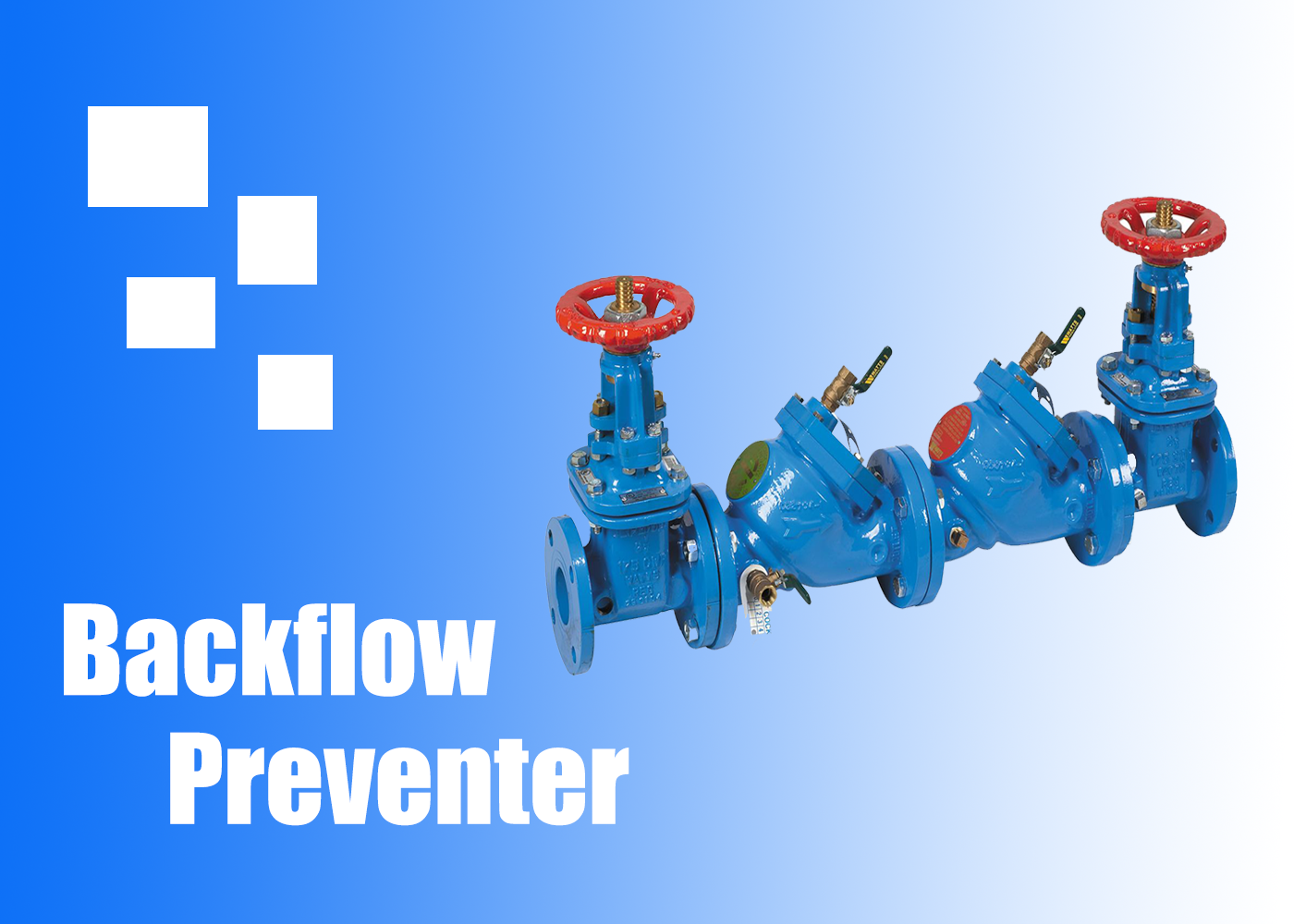
If you’ve been asked to schedule a backflow test, told a backflow preventer was installed on your property, or received a compliance notice from your water utility, one of the first practical challenges is simply finding the device. Backflow preventers come in several different configurations, range from small hose-bib fittings to large commercial assemblies, and can be located in a wide variety of places on residential and commercial properties. This guide gives you a complete visual and physical description of every type of backflow preventer, along with a step-by-step guide to finding yours.
For a deeper explanation of what these devices do and why they matter, see our comprehensive guide on what a backflow preventer is and how it works. To understand the different types and which applies to your property, read our guide to types of backflow preventer valves and warning signs.
The Visual Anatomy of a Backflow Preventer
Unlike a simple shutoff valve or pipe fitting, a backflow preventer is a complex assembly with multiple identifiable components. Learning to recognize these components will help you identify any device you encounter:
Test Cocks (Test Ports)
Test cocks are the most distinctive identifying feature of a testable backflow preventer. They are small threaded ports — typically four on an RPZ or DCVA, and two on a PVB — positioned at specific points along the assembly body. Each test cock has a small screw cap or plug that is removed during testing to allow the technician to connect differential pressure test equipment. Test cocks are typically bronze or brass and are positioned perpendicular to the main flow axis of the device.

Shutoff Valves
Most testable backflow preventers have a shutoff valve (gate valve or ball valve) on both the inlet (upstream) and outlet (downstream) side of the assembly. These allow the device to be isolated for testing and servicing without shutting off the entire water supply. The presence of two in-line shutoff valves flanking a more complex assembly is a strong indicator that you’re looking at a backflow preventer.
Relief Valve Discharge Port (RPZ Only)
Reduced Pressure Zone (RPZ) assemblies have a distinctive relief valve on the bottom or side of the body, with a discharge port that opens to the atmosphere. On installed assemblies, this discharge port is typically pointed downward or toward a drain. If water is actively dripping or flowing from this port, it indicates the device’s relief valve has operated — signaling that service may be needed.
Body Material and Color
Backflow preventers are almost universally made from bronze, brass, or stainless steel. Bronze bodies have a characteristic golden-brown color that oxidizes to a mottled greenish-brown patina over time. Brass bodies are brighter yellow initially and may develop a similar patina. Some newer devices use epoxy-coated ductile iron bodies for larger commercial sizes.
Flow Arrow
Most backflow preventer bodies are stamped or cast with a directional arrow indicating the correct direction of flow (from the supply toward the property). This arrow is a useful confirmation that you’ve found a backflow device and that it’s installed in the correct orientation.
Types of Backflow Preventers and What Each Looks Like
Atmospheric Vacuum Breaker (AVB)
An AVB is the smallest and simplest type. It is typically an elbow-shaped or T-shaped fitting, 2 to 4 inches tall, installed directly on a hose bib or faucet outlet. It has a mushroom-cap or bonnet on top that contains the air inlet valve. AVBs are not testable with standard equipment and do not have test cocks.
Pressure Vacuum Breaker (PVB)
A PVB is a vertical assembly, typically 8 to 18 inches tall, with a prominent dome-shaped or cylindrical bonnet on top that houses the air inlet and check valve. It has two test cocks positioned on the body and one or two shutoff valves. PVBs are commonly found installed on an exterior riser pipe above the irrigation system’s highest outlet, with the entire assembly standing above grade level.
Double Check Valve Assembly (DCVA)
A DCVA is a horizontal or vertical assembly, typically 6 to 24 inches long depending on pipe size, with a relatively compact rectangular or cylindrical body. It has four test cocks (two between and two flanking the check valves) and two shutoff valves. DCVAs are often found in mechanical rooms, in below-grade vaults, or in utility enclosures.
Reduced Pressure Zone Assembly (RPZ)
An RPZ is typically the largest and most visually distinctive type of backflow preventer. It features a horizontal or angled body with two prominent check valve sections, four test cocks, two shutoff valves, and a clearly visible relief valve (often with a screened discharge port on the underside). Commercial RPZ assemblies can range from 6 inches long for a residential ¾-inch unit to several feet long for a 4-inch or 6-inch commercial assembly.
Where Backflow Preventers Are Located: A Location-by-Location Guide
Exterior Wall or Side of the House (Residential)
Many residential PVBs for irrigation systems are installed on an exterior wall of the home, at or just above grade level. Look for a vertical bronze or brass assembly mounted to the wall with pipe straps, with shutoff handles and a dome-shaped bonnet on top. These assemblies are often in a visible location near where the irrigation system’s control valves are located.
Ground-Level Valve Box (Residential)
Some residential backflow preventers are installed in a below-grade valve box — a rectangular or round plastic box set into the ground, with a removable lid at grade level. Open the box and you’ll find the backflow preventer assembly, along with irrigation control valves in many cases.
Mechanical Room or Utility Area (Commercial)
Commercial and larger residential properties often have their backflow preventers in a mechanical room, boiler room, utility closet, or equipment space — mounted to the wall or to the supply piping near the point where the main enters the building. These are often larger RPZ or DCVA assemblies mounted horizontally on pipe supports. If you’re not sure whether your commercial property has one, see our guide to how to tell if your home or business has a backflow device.
Underground Vault
Large commercial properties may have backflow preventers installed in underground concrete or fiberglass vaults — buried chambers accessible via a heavy steel or composite cover at grade level. These are common for large commercial, industrial, and institutional properties with high-volume water service connections.
Near the Water Meter
Many backflow preventers are installed immediately downstream of the water meter, inside a meter pit or at the point where the main supply enters the building. Follow the main supply line from your meter toward the building — the backflow device will be on this line.
In a Protective Enclosure
In New Jersey’s climate, exterior backflow preventers are frequently housed in insulated protective enclosures — fiberglass or plastic cabinets designed to protect against freeze damage. If you see what looks like a utility cabinet or a rectangular insulated box near your water meter or exterior wall, a backflow preventer is almost certainly inside. Read about backflow preventer enclosures and why they’re recommended for outdoor installations in New Jersey.
What to Do Once You've Found Your Device
Once you locate your backflow preventer, note the brand name and model number from the body casting, the pipe size (in inches, stamped on the body), and the installation location for reference when calling for service. Take a photo if possible. Then schedule your professional backflow testing and certification service if the device hasn’t been tested in the past 12 months. South Jersey Backflow serves all of New Jersey and can schedule your certification test promptly — call (856) 291-6809 or contact South Jersey Backflow.
Schedule Your Backflow Service Anywhere in New Jersey
South Jersey Backflow has proudly served residential and commercial customers across all of New Jersey since 2004. Our certified technicians provide annual backflow testing and certification, expert repairs and rebuilds, and protective backflow enclosures — all with transparent pricing, complete paperwork handling, and 24/7 emergency availability. Call (856) 291-6809 or contact us online to get started today.