
FAQ
What Causes a Backflow Preventer to Fail Its Annual Test in New Jersey?
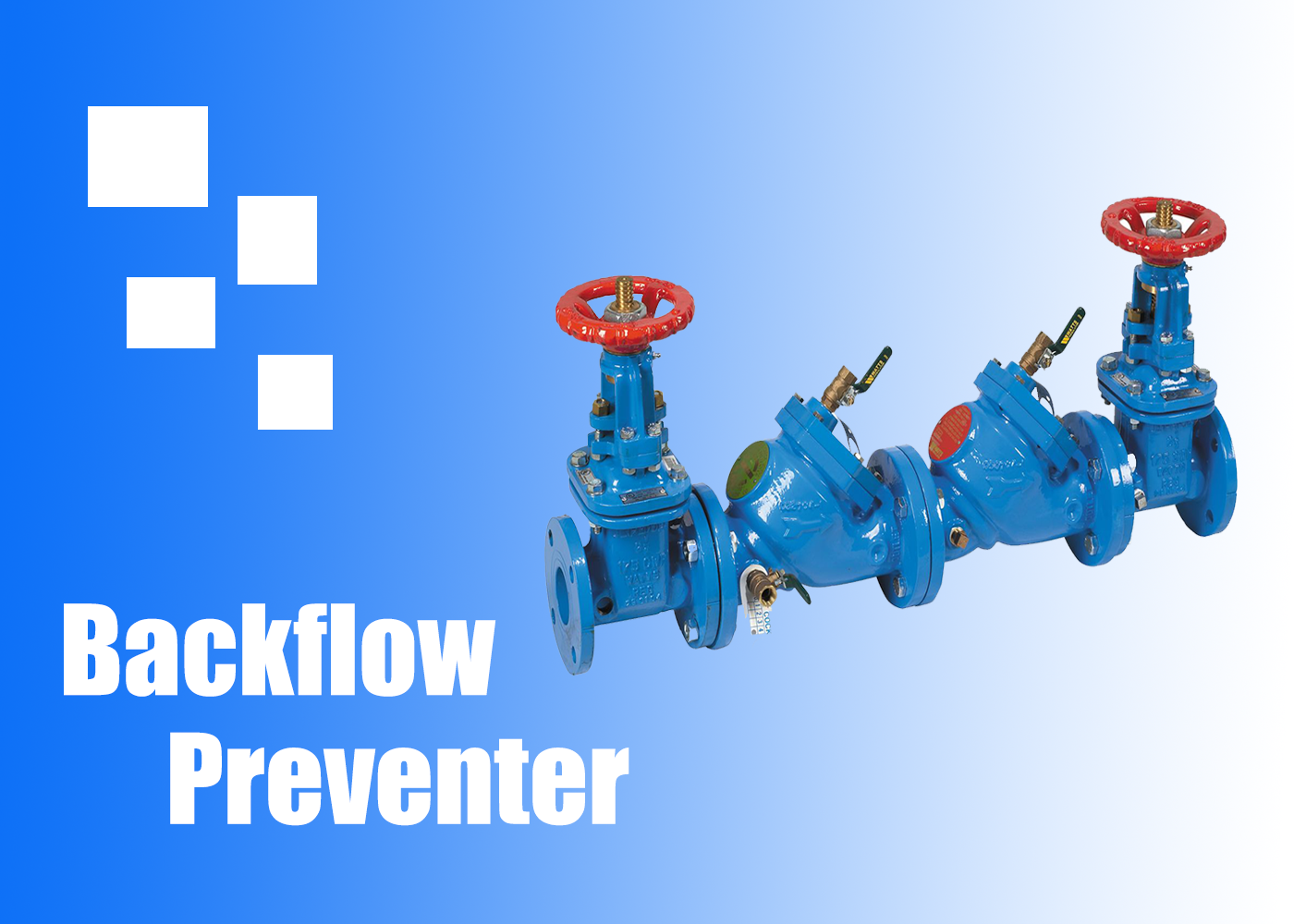
When your backflow preventer fails its annual certification test, the immediate practical questions are: Why did it fail? Is this fixable? How quickly? And how much will it cost? Understanding the specific causes of test failures — and why they’re more common in some conditions than others — helps you maintain your device more proactively and avoid the annual test failure cycle. This guide covers the seven most common failure causes and what each typically requires to resolve.
For a comprehensive guide to what happens after a failure and how to make the repair-vs-replace decision, see our article on repair or replace your backflow preventer.
Failure Cause 1: Worn or Hardened Check Valve Rubber Discs
The rubber check valve discs (also called poppets or check discs) are the heart of any backflow preventer. They press against their seats when pressure is applied from the downstream side, creating the seal that prevents backflow. Over time, these rubber elements harden, lose elasticity, and develop micro-cracks on their seating surfaces. When this happens, the disc can no longer form a complete seal, and the differential pressure across the valve drops below the required minimum.
This is the most common cause of failed annual tests in New Jersey — particularly in devices that have been in service for more than 5 years without a rebuild. Hardened discs are not visible during a visual inspection; they only become apparent when pressure testing reveals the reduced differential. Replacement with new discs from a manufacturer rebuild kit resolves this immediately in the vast majority of cases.
Failure Cause 2: Weakened Check Valve Springs
Every check valve in a backflow preventer uses a spring to maintain the valve in its closed position and to provide the resistance that creates the differential pressure. Springs lose tension over time through metal fatigue — the same mechanism that eventually causes any mechanical spring to ‘wear out.’ A spring that has lost its calibrated tension will allow the check valve disc to move more easily toward the open position, reducing the measured differential pressure below the required threshold.
Spring fatigue is accelerated by temperature cycling (the freeze-thaw cycles in New Jersey’s climate), frequent system pressure fluctuations, and water quality factors. Spring replacement is included in all standard rebuild kits.
Failure Cause 3: Mineral Scale Buildup on Valve Seats
Hard water is common in many New Jersey service areas — water with high concentrations of calcium and magnesium that precipitates scale on water-contact surfaces. When mineral scale builds up on a check valve seat — the precision-machined surface that the rubber disc seals against — it creates an uneven surface that the disc cannot seal completely. Even a thin layer of scale creates a differential pressure leak path. Scale buildup is particularly common in properties served by well water or hard municipal water. A rebuild kit service addresses this through thorough cleaning of valve seats during the rebuild process. See backflow preventer installation, testing, and rebuilding costs for pricing on rebuild services.
Failure Cause 4: Debris Trapped in the Valve
Construction activity, water main work, or disturbance of water system piping can dislodge scale, sediment, or pipe material that travels downstream into backflow preventer assemblies. A small piece of debris lodged in a check valve seat or on a relief valve disc prevents complete closure. This failure mode can occur suddenly in a device that previously had no issues.
If your test fails shortly after nearby water main work, new plumbing installation on your property, or any disturbance to the water supply, trapped debris is the likely cause. In many cases, flushing the device and cleaning the valve internals (without a full rebuild) resolves the issue — though a full rebuild kit service is recommended if the internal components are at or near their expected service life anyway.
Failure Cause 5: RPZ Relief Valve Not at Required Differential
For RPZ assemblies, the relief valve must open at a specific differential pressure — below the differential of Check Valve #1 but above a minimum threshold. If the relief valve diaphragm has hardened or deformed, or its spring has fatigued, the relief valve may open at the wrong differential: too high (failing to protect against a check valve failure) or too low (discharging excessively under normal conditions). Both are test failure conditions.
This is the failure behind the continuously discharging relief valve symptom described in our guide to why relief valves leak. Relief valve diaphragm and spring replacement is part of a comprehensive rebuild kit service.
Failure Cause 6: Freeze Damage to Internal Components
New Jersey winters regularly produce temperatures below freezing, and outdoor backflow preventers that retain water and lack freeze protection are vulnerable to ice damage. Water expands approximately 9% when it freezes. This expansion can crack rubber diaphragms, distort metal components, and physically rupture internal check valve assemblies. Freeze-damaged devices may partially function at ambient temperatures but fail under test conditions. This is one of the primary reasons to install a protective backflow enclosure on outdoor installations in New Jersey.
Failure Cause 7: Age-Related General Deterioration
A device that has been in service for more than 10–15 years without any rebuild kit service will accumulate multiple simultaneous wear conditions: hardened rubber, fatigued springs, accumulated scale, and potential body corrosion. When these conditions reach a critical threshold simultaneously, the device fails its test on multiple points. At this stage, a comprehensive rebuild kit service is needed — and depending on the body condition, replacement may be more economical. Our repair or replace your backflow preventer guide helps you make this evaluation. South Jersey Backflow serves all of New Jersey with expert assessments and same-day service. contact South Jersey Backflow.
Schedule Your Backflow Service Anywhere in New Jersey
South Jersey Backflow has proudly served residential and commercial customers across all of New Jersey since 2004. Our certified technicians provide annual backflow testing and certification, expert repairs and rebuilds, and protective backflow enclosures — all with transparent pricing, complete paperwork handling, and 24/7 emergency availability. Call (856) 291-6809 or contact us online to get started today.