FAQ
Why Is My Backflow Preventer Leaking from the Relief Valve? What It Means and What to Do
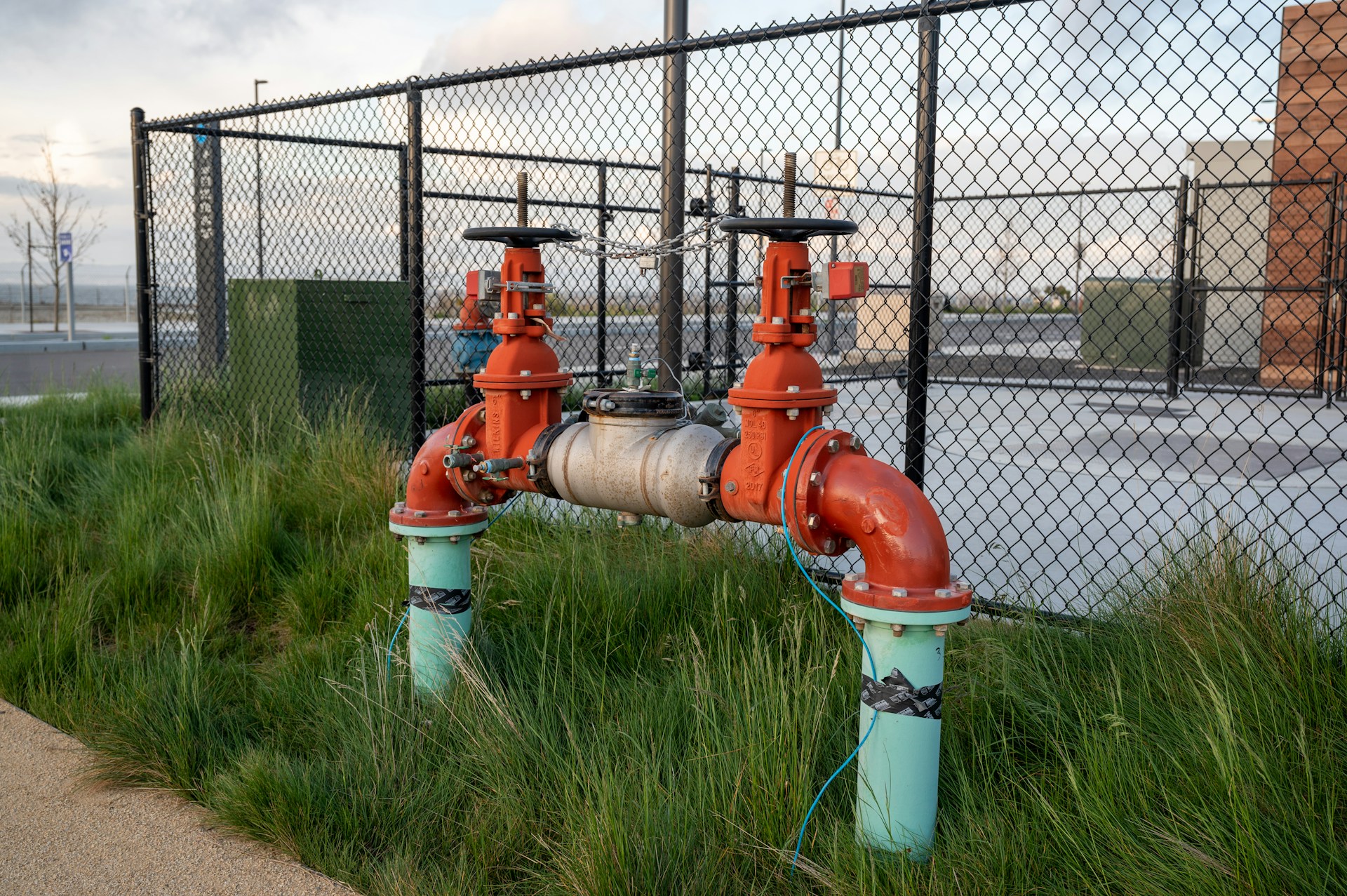
If you’ve noticed water dripping or flowing from a port on the bottom or side of your backflow preventer, your instinct to investigate is correct. A leaking relief valve is one of the most visible and common backflow preventer symptoms in New Jersey, and it’s a clear signal that your device needs attention. This guide explains exactly why relief valves leak, what each leak pattern indicates, how urgent the situation is, and what the appropriate response is.
Before diving in, note that relief valve leaks only occur on Reduced Pressure Zone (RPZ) assemblies — not on PVBs or DCVAs. If you’re not sure what type of device you have, see our guide on types of backflow preventer valves and warning signs.
Understanding the RPZ Relief Valve
The relief valve is the defining feature of an RPZ assembly. Located in the ‘reduced pressure zone’ between the two check valves, the relief valve is designed to open and discharge water to the atmosphere whenever the pressure in that zone drops to within a specified threshold of the pressure upstream of Check Valve #1. This discharge function is the RPZ’s last line of defense: if Check Valve #1 fails, the relief valve opens and discharges rather than allowing backflow to occur.
So a relief valve that opens occasionally, particularly during pressure fluctuations in the supply system, is actually operating as designed. A small drip during sudden pressure drops is the device doing exactly what it’s supposed to do. The concern arises when the relief valve is dripping continuously or flowing substantially — indicating a specific internal condition that requires service.
Cause 1: Check Valve #2 Has Failed or Is Leaking
The most common cause of continuous relief valve discharge is a failure in Check Valve #2 (the downstream check valve). When Check Valve #2 doesn’t fully close — because a rubber disc has hardened, debris has lodged in the valve seat, or the spring has weakened — it allows pressure from the downstream side to bleed into the relief zone. This elevates the pressure in the relief zone above its design setpoint, and the relief valve responds by opening to maintain the pressure differential.
This is a service condition requiring a rebuild of Check Valve #2. Left unaddressed, it will cause the device to fail its annual certification test. Schedule backflow repair and rebuild service promptly.
Cause 2: Check Valve #1 Has Failed
If Check Valve #1 is not holding its required pressure differential, the reduced pressure zone may not be maintaining the intended pressure relationship. Depending on the specific failure mode, the relief valve may respond by discharging. This is a more serious failure requiring immediate service, as the primary protection against backflow is compromised.
Cause 3: Debris on the Relief Valve Seat
If a small piece of debris — a mineral deposit, a small particle of rubber from a deteriorating internal component, or a piece of pipe scale dislodged during a pressure event — lodges on the relief valve seat, the relief valve may not fully close even when it should. This results in a continuous drip from the discharge port. Sometimes this condition self-resolves as water flow carries the debris away; in other cases, the relief valve must be serviced to clean or replace the seat and diaphragm assembly.
Cause 4: The Device Was Recently Retested or Exercised
After an annual certification test, it’s common for the relief valve to drip or discharge slightly for a short period — typically a few minutes to an hour — as the internal components settle back into their normal operating positions after being exercised by the test procedure. This post-test dripping is normal and expected. If it persists beyond a few hours, however, it indicates a service need.
Cause 5: High Pressure Events in the Supply System
Significant pressure fluctuations in the water distribution system — caused by water hammer, pump surges, or rapid valve closure elsewhere in the system — can cause a temporary spike that overwhelms the RPZ’s check valves briefly and triggers the relief valve. In areas with variable supply pressure (common in some New Jersey service areas), occasional brief relief valve discharges are within normal operating parameters.
How Serious Is a Continuously Discharging Relief Valve?
A continuously discharging relief valve is a moderate-to-serious service condition that should be addressed within a few days to a week, not an emergency requiring immediate water shutoff. The device is still providing backflow protection — in fact, the relief valve discharge is evidence that the protection mechanism is active. However, the continuous discharge wastes water, can damage the installation area (flooding, mold, corrosion), and signals an internal condition that will cause the device to fail its next annual test.
If the relief valve is not just dripping but flowing freely (more than a trickle), the situation is more urgent and warrants same-day service. Contact South Jersey Backflow for backflow repair and rebuild service throughout all of New Jersey.
What About Dripping from Other Points on the Device?
Leaking from connection fittings, test cocks, body seams, or the shutoff valves (rather than the relief valve discharge port) indicates different issues: loose fittings, deteriorated gaskets, or body damage. These are also service conditions requiring attention. See our guide on the 8 warning signs your backflow preventer needs repair for a complete list of leak types and their implications.
Schedule Your Backflow Service Anywhere in New Jersey
South Jersey Backflow has proudly served residential and commercial customers across all of New Jersey since 2004. Our certified technicians provide annual backflow testing and certification, expert repairs and rebuilds, and protective backflow enclosures — all with transparent pricing, complete paperwork handling, and 24/7 emergency availability. Call (856) 291-6809 or contact us online to get started today.