
FAQ
Why Is My Backflow Preventer Making Noise? Hissing, Dripping, and Vibrating Explained
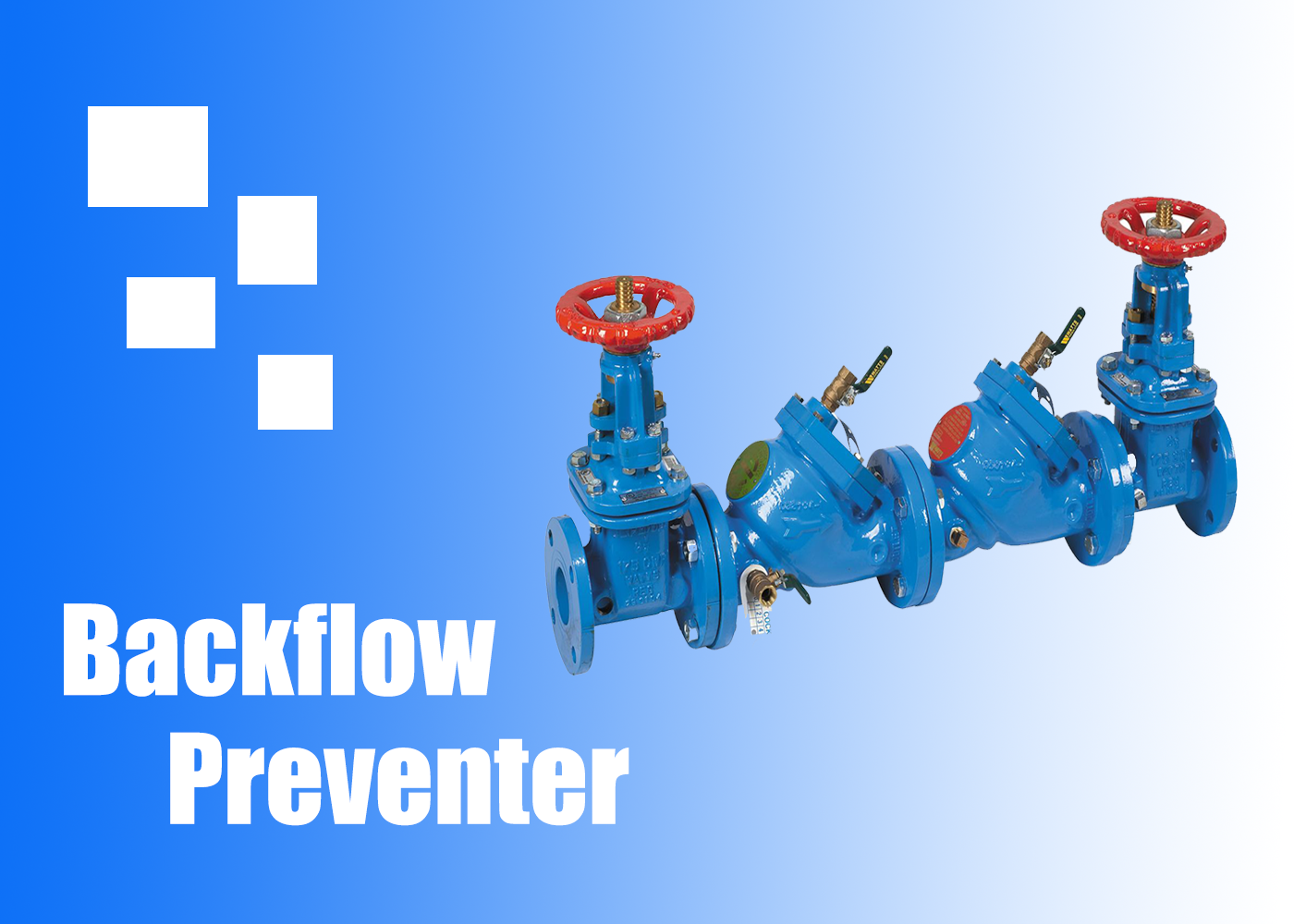
Backflow preventers typically operate silently. When one starts making unusual sounds — hissing, dripping, clicking, vibrating, or rumbling — it’s drawing attention to itself for a reason. These sounds are symptoms of specific internal conditions, and knowing how to interpret them can help you catch problems early, before they become compliance failures or property damage events. This guide identifies the most common backflow preventer sounds, explains what’s causing each one, and tells you what to do next.
For a broader overview of all the warning signs that your device needs service, see our guide to types of backflow preventer valves and warning signs, which covers visual and performance indicators alongside audible ones.
Hissing Sounds
Continuous Hissing from the Device Body
A continuous hissing sound — like air escaping through a narrow gap — typically indicates water or air moving through a small opening that should be sealed. The most common causes are a check valve that is not fully closing (allowing water to seep past it under pressure), a test cock that isn’t fully closed after a test, or a minor leak at a fitting connection. While the hissing itself may seem minor, it indicates the device is not fully sealing — which is the defining function of a backflow preventer.
Hissing from the Relief Valve (RPZ Assemblies)
If the hissing is coming from the relief valve area of an RPZ assembly, this is the same condition described in our guide to why the relief valve is leaking. The relief valve is discharging air or water because the pressure differential in the relief zone has shifted, indicating a check valve issue requiring service.
Intermittent Hissing When the Irrigation System Activates
When an irrigation system activates, there’s a brief pressure equalization period as water fills the irrigation lines. During this brief period, an RPZ’s relief valve may hiss for a few seconds as pressure stabilizes. This is typically normal and not cause for concern unless the hissing continues for more than 10–15 seconds after the system reaches operating pressure.
Dripping or Trickling Sounds
A dripping or trickling sound from a backflow preventer almost always corresponds to visible water discharge from the relief valve port (on RPZs), from a test cock that wasn’t fully closed after a test, or from a leaking fitting or connection. In every case, water flowing where it shouldn’t is a service signal.
For RPZ relief valve dripping, refer to our relief valve guide above. For dripping from test cocks: ensure all test cock plugs are fully tightened after any service visit. If tightening doesn’t resolve the drip, the test cock O-ring needs replacement. For dripping at fittings: check whether the joint has simply loosened and can be tightened, or whether a gasket or sealant needs replacement.
Vibrating or Chattering
Vibration or chattering from a backflow preventer — a rapid clicking or buzzing sound — is most often caused by water hammer: pressure waves created when water flow is suddenly started or stopped. In a properly designed plumbing system, water hammer arrestors absorb these waves. When they’re absent or failed, the pressure waves travel through the piping and cause fixtures and devices (including backflow preventers) to vibrate or chatter.
While mild vibration during irrigation system activation is not unusual, severe or continuous vibration can stress the device body and loosen connections over time. If vibration is significant, have your plumbing system evaluated for water hammer.
Clicking or Snapping Sounds
A sharp clicking or snapping sound when an irrigation system starts or stops is typically the check valve discs snapping open or closed as pressure changes. Some click when they open at startup; others click when they close at shutdown. Brief, infrequent clicking is not abnormal. However, if the clicking is continuous during normal operation (not just at start/stop transitions), it may indicate a check valve spring that has weakened to the point where the valve is oscillating between open and closed positions — a condition that requires service.
Gurgling or Rumbling
Gurgling sounds from the device area are often related to air in the irrigation lines rather than the backflow device itself. When an irrigation system is winterized (drained) and then re-activated, air in the lines can cause gurgling as it’s displaced. This is usually transient and resolves as the system purges its air. Persistent gurgling after a full system run cycle warrants investigation.
What to Do When You Hear Unusual Sounds
If your backflow preventer is making sounds that persist, are new, or concern you, contact a certified backflow specialist for an assessment. Many sound-related issues are early warnings that, caught at this stage, require only a simple rebuild kit service rather than a full replacement. South Jersey Backflow provides backflow repair and rebuild service throughout all of New Jersey with prompt scheduling. contact South Jersey Backflow.
Schedule Your Backflow Service Anywhere in New Jersey
South Jersey Backflow has proudly served residential and commercial customers across all of New Jersey since 2004. Our certified technicians provide annual backflow testing and certification, expert repairs and rebuilds, and protective backflow enclosures — all with transparent pricing, complete paperwork handling, and 24/7 emergency availability. Call (856) 291-6809 or contact us online to get started today.