FAQ
When Is a Reduced Pressure Zone (RPZ) Assembly Required Instead of a Simpler Backflow Device?
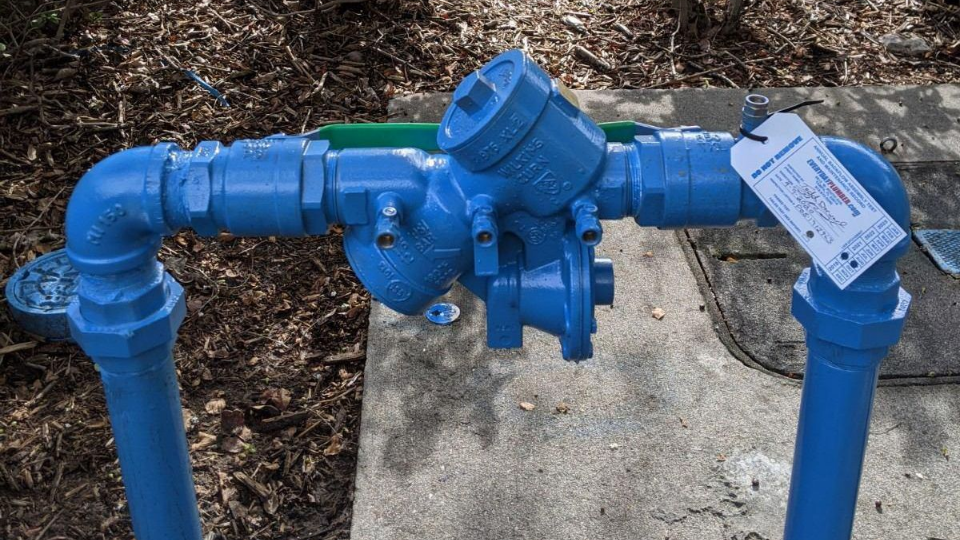
One of the most consequential decisions in backflow prevention is device selection: should the cross-connection on your property be protected by a simple Pressure Vacuum Breaker, a Double Check Valve Assembly, or a Reduced Pressure Zone assembly? The answer has real cost implications — RPZ assemblies cost significantly more to install and test than simpler devices — but getting it wrong means non-compliance, failed tests, and potential liability. This guide explains exactly when New Jersey regulations require an RPZ and when a simpler device is acceptable.
For a foundational understanding of all available device types, read our guide to types of backflow preventer valves and warning signs. For cost implications, see backflow preventer installation, testing, and rebuilding costs.
The Core Principle: Hazard Classification Drives Device Selection
New Jersey’s backflow prevention regulations follow the American Water Works Association (AWWA) cross-connection control framework, which classifies cross-connections by the severity of the health hazard posed if contamination were to enter the potable water supply. High-health-hazard cross-connections require the highest level of protection — the RPZ. Low-hazard or non-health cross-connections may be adequately protected by simpler devices.
Cross-Connections That Require an RPZ in New Jersey
Any System Involving Toxic Chemicals
Any cross-connection where the non-potable water contains substances that would be acutely hazardous to health at the concentrations that could result from a backflow event requires RPZ protection. This includes chemical injection systems, pesticide and fertilizer mixing systems, industrial process piping involving any toxic substance, laboratory water systems, and any system where chemical additives are introduced into the water downstream of the connection point.
Medical and Healthcare Facilities
Hospitals, dialysis centers, dental offices, veterinary clinics, and other healthcare facilities are almost universally required to have RPZ assemblies on their water service connections. The potential for backflow to introduce biological or chemical contaminants from patient care equipment, cleaning and sterilization systems, and medical devices represents a high-health-hazard classification requiring maximum protection.
Fire Suppression Systems with Chemical Additives
Fire sprinkler systems that use antifreeze, foam concentrate, or other chemical additives in the water are classified as high-hazard cross-connections requiring RPZ protection. Dry-pipe and pre-action fire systems in New Jersey may use antifreeze in freeze-exposed sections, and the chemicals involved constitute a health hazard requiring RPZ-level protection at the service connection.
Irrigation Systems Connected to Non-Potable Water Sources
Properties that supplement their irrigation with reclaimed water, stored rainwater, or pond/lake water in addition to their potable supply create a high-hazard cross-connection at any point where these sources intersect with the potable supply. RPZ assemblies are required at these connections.
Commercial Car Washes
Car wash facilities use high-concentration cleaning chemicals, recycled wash water, and detergent solutions that pose health hazards if introduced into the potable supply. RPZ assemblies are required on all potable water supply connections at car wash facilities. See our related guide on backflow requirements for car washes in New Jersey.
Boilers and Closed-Loop Heating Systems with Chemical Treatment
Commercial boilers and closed-loop hydronic heating systems that use chemical water treatment additives (corrosion inhibitors, biocides, pH adjustment chemicals) create high-hazard cross-connections. The chemicals used in these systems are toxic at the concentrations involved, requiring RPZ protection at the connection between the potable supply and the boiler makeup water line.
Reclaimed Water Systems
Any property served by both a potable water supply and a non-potable reclaimed water system for irrigation or other purposes requires RPZ assemblies at the connection point to ensure complete separation. Reclaimed water, while treated, is not potable and contains pathogens and nutrients that would be hazardous if introduced into the drinking water supply.
When a DCVA Is Acceptable Instead of an RPZ
Double Check Valve Assemblies provide two-check-valve protection and are acceptable for low-hazard (non-health-threatening) cross-connections. Common applications where DCVAs are appropriate include: fire sprinkler systems using only water (no chemical additives) rated as non-health hazard by the water authority, commercial irrigation systems using only potable water (no chemical injection), multi-family building service connections where the hazard is rated as low, and general commercial building water service entries without specific high-hazard equipment.
When a PVB Is Acceptable
Pressure Vacuum Breakers are appropriate only for low-hazard irrigation cross-connections where the irrigation system uses only potable water (no chemical injection) and where the installation height requirements (PVB must be at least 6 inches above the highest outlet) can be met. PVBs protect only against back-siphonage, not back-pressure, so they are not appropriate for pumped irrigation systems.
Who Makes the Final Determination?
Your water utility’s cross-connection control program makes the final determination of the required device type for each cross-connection on your property. Their determination is based on the specific hazard classification of your cross-connection and may be more stringent than the general guidance above for specific local conditions. South Jersey Backflow works with all water authorities throughout New Jersey and can help you understand the specific requirement for your property. contact South Jersey Backflow.
Schedule Your Backflow Service Anywhere in New Jersey
South Jersey Backflow has proudly served residential and commercial customers across all of New Jersey since 2004. Our certified technicians provide annual backflow testing and certification, expert repairs and rebuilds, and protective backflow enclosures — all with transparent pricing, complete paperwork handling, and 24/7 emergency availability. Call (856) 291-6809 or contact us online to get started today.