
FAQ
Does My Irrigation System Require a Backflow Preventer in New Jersey?
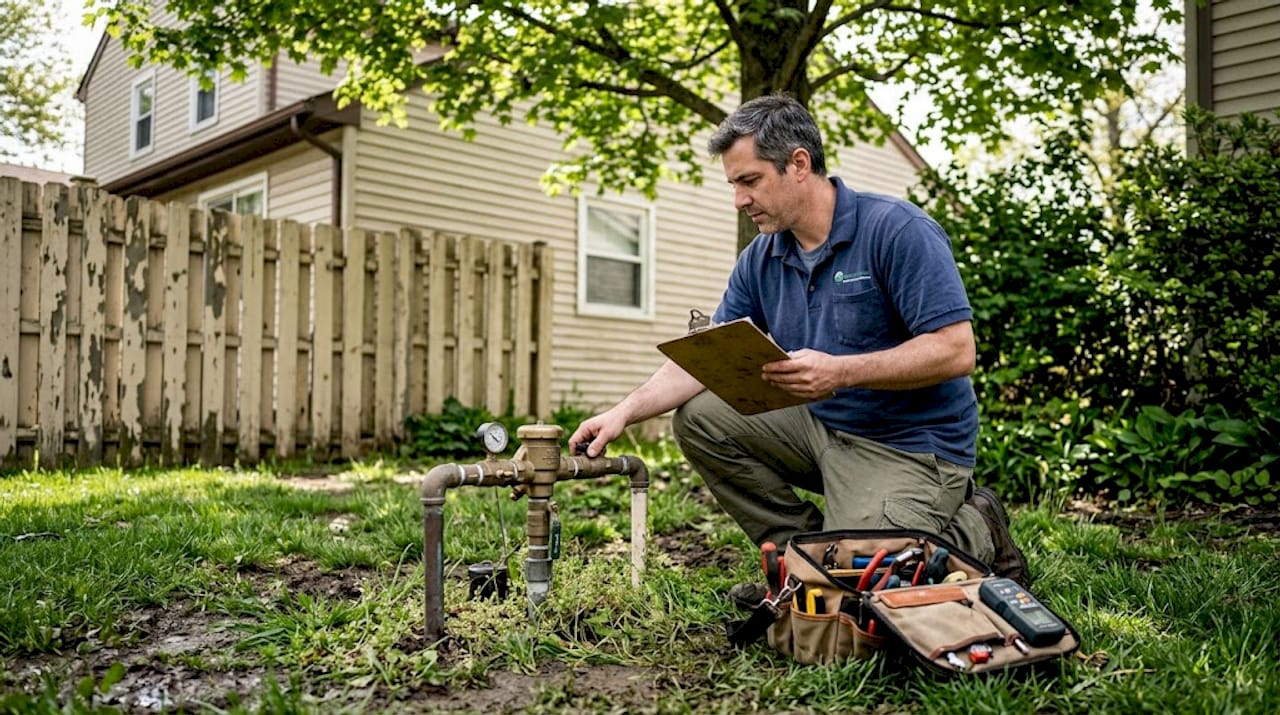
If you have an in-ground lawn irrigation system — or are planning to install one — understanding your backflow prevention obligations is essential. In New Jersey, irrigation systems are the most common source of backflow compliance requirements for residential property owners. This guide explains exactly what’s required, why it matters, and what the process looks like for staying compliant.
For the full picture of the public health reasons behind this requirement, see our guide on why New Jersey property owners need a backflow preventer. For installation and testing costs, see backflow preventer installation, testing, and rebuilding costs.
The Short Answer: Yes, Virtually Every Irrigation System in NJ Requires a Backflow Preventer
In New Jersey, any in-ground irrigation system connected to the public water supply creates a cross-connection that requires a backflow prevention device. This is not a local option — it’s a statewide requirement under N.J.A.C. 7:14B, enforced by every water utility in New Jersey.
The reason is straightforward: irrigation lines are buried in soil that may contain fertilizers, pesticides, bacteria, and other contaminants. When a pressure drop occurs in the water distribution system (from a main break, hydrant operation, or any other cause), there is potential for that contaminated soil water to be siphoned backward through the irrigation connection and into the potable water supply. A properly installed and functioning backflow preventer prevents this from occurring.
What Type of Backflow Preventer Is Required for Residential Irrigation?
Pressure Vacuum Breaker (PVB) — Most Common Residential Choice
For most residential irrigation systems that use only potable water (no chemical injection) and operate on a gravity-fed or low-pressure basis, a Pressure Vacuum Breaker (PVB) is the minimum acceptable device. A PVB protects against back-siphonage — the most common backflow risk for residential irrigation.
Installation requirements for residential PVBs: the PVB must be installed at least 6 inches above the highest point of the irrigation system it protects. It must be installed on the supply side, before any irrigation zone control valves. It must be accessible for annual testing. In New Jersey’s climate, it must be installed where it can be winterized (drained before freeze events) or protected with an insulated enclosure.
Reduced Pressure Zone (RPZ) Assembly — Required for Chemical Injection
If your irrigation system uses a fertigation system (chemical injection of fertilizers or pesticides directly into the irrigation water), an RPZ assembly is required rather than a PVB. The presence of chemical additives elevates the cross-connection to a high-health-hazard classification requiring maximum protection.
RPZ May Be Required by Your Specific Water Authority
Some New Jersey water authorities and municipalities require RPZ assemblies on all irrigation connections, regardless of whether chemical injection is used. This is a more stringent local standard than the state minimum. South Jersey Backflow maintains current knowledge of local requirements for every authority we serve. If you’re unsure what device your authority requires, we can determine this quickly.
When Is a Backflow Device Required on an Existing Irrigation System?
If you have an existing irrigation system without a backflow preventer (a situation that exists in older properties where the system was installed before or in violation of current requirements), you are out of compliance and will eventually receive a compliance notice from your water utility. The obligation to install a backflow preventer on an existing system is not grandfathered out — current regulations apply regardless of when the system was installed.
The Installation and Testing Process
Installing a backflow preventer on a new or existing irrigation system involves selecting the appropriate device, obtaining any required plumbing permit from your municipality, physically installing the device on the irrigation supply line, performing an initial certification test, and registering the device and filing the test report with your water authority.
After installation, annual certification testing is required. The how often backflow preventers must be tested in New Jersey guide explains everything you need to know about the testing requirement, and our backflow preventer installation, testing, and rebuilding costs article provides current pricing for NJ installations.
What Happens If I Install a New Irrigation System Without a Backflow Preventer?
If a new irrigation system is installed without a required backflow preventer, the plumbing permit inspection (if a permit was obtained) will flag the deficiency. If no permit was obtained, the water utility may identify the installation through meter records (increased water usage), a cross-connection survey, or a neighbor’s report. Either way, a compliance notice will follow. See our guide to what to do if you received a backflow compliance letter for how to resolve this.
South Jersey Backflow: NJ's Irrigation Backflow Specialists
South Jersey Backflow has installed and serviced backflow preventers on residential and commercial irrigation systems throughout all of New Jersey since 2004. We select the right device for your system, handle permits, install the device, perform the initial certification, and file all required paperwork. Annual testing and rebuild services keep you in compliance year after year. contact South Jersey Backflow to schedule your installation or annual test.
Schedule Your Backflow Service Anywhere in New Jersey
South Jersey Backflow has proudly served residential and commercial customers across all of New Jersey since 2004. Our certified technicians provide annual backflow testing and certification, expert repairs and rebuilds, and protective backflow enclosures — all with transparent pricing, complete paperwork handling, and 24/7 emergency availability. Call (856) 291-6809 or contact us online to get started today.