FAQ
Does My Fire Sprinkler System Require a Backflow Preventer in New Jersey?
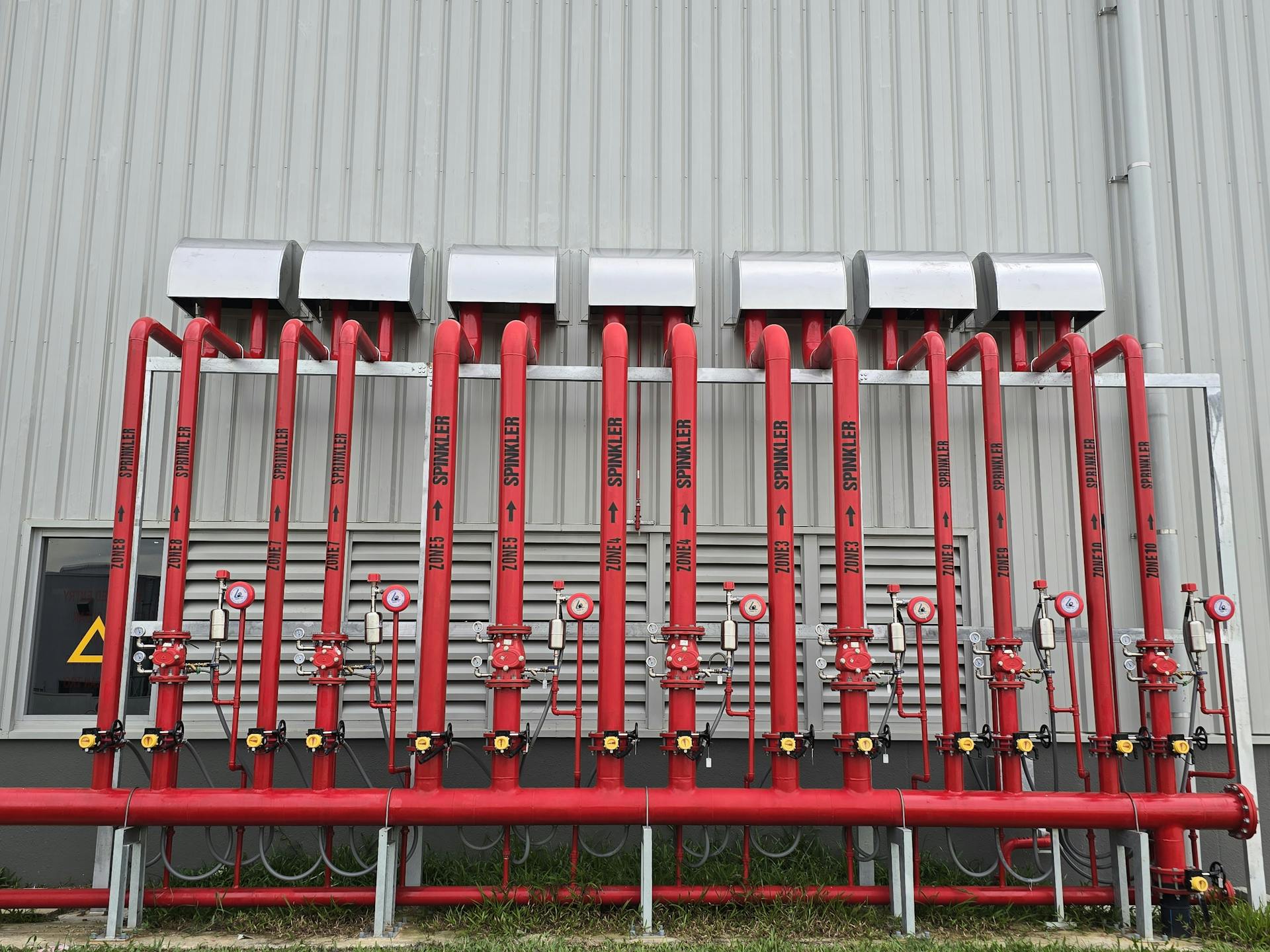
Fire sprinkler and fire suppression systems create one of the most significant cross-connections in any building’s plumbing system — and one that is strictly regulated by both fire safety authorities and water utilities in New Jersey. If your property has a fire sprinkler system, a standpipe, a fire pump, or any other fire suppression infrastructure connected to the potable water supply, a backflow prevention device is required. Here’s everything you need to know.
For context on device types and which one applies to your fire system, see our guide to types of backflow preventer valves and warning signs.
Why Fire Suppression Systems Create a Backflow Risk
Fire suppression system water presents a backflow risk for several reasons. First, the water in fire sprinkler pipes sits stagnant for extended periods — months or even years between activations — and becomes biologically active, developing biofilm and harboring opportunistic pathogens. Second, many fire systems use antifreeze in sections exposed to freezing temperatures, introducing chemical contamination risk. Third, some fire systems incorporate foam concentrate injection for certain hazard applications — a high-health-hazard chemical addition. Fourth, back-pressure from fire pump operation can exceed supply pressure, creating back-pressure backflow risk.
What Device Is Required?
Fire Systems Without Chemical Additives: DCVA or RPZ
For fire sprinkler systems that use only water (no antifreeze, foam, or other additives) and are classified as non-health hazard by the water authority, a Double Check Valve Assembly (DCDA — the double check detector assembly version) is typically the minimum requirement. Many New Jersey water authorities, however, require RPZ assemblies for all fire system connections as a precautionary standard.
Fire Systems with Antifreeze or Chemical Additives: RPZ Required
Any fire suppression system that uses antifreeze, foam concentrate, or any other chemical additive is classified as a high-health-hazard cross-connection requiring RPZ assembly protection. This is mandatory under New Jersey regulations and cannot be substituted with a DCVA.
Commercial and Industrial Fire Systems: Almost Always RPZ
For commercial, industrial, institutional, and multi-family residential buildings, RPZ assemblies are the near-universal standard required by New Jersey water authorities for fire service connections. The volume of water involved and the potential public health consequences of contamination drive the requirement for maximum protection.
Who Regulates Fire Suppression Backflow in NJ?
Fire suppression backflow prevention is regulated by multiple authorities simultaneously. The water utility requires the backflow device for cross-connection control. The local fire prevention bureau may require specific device types and testing under the International Fire Code. The New Jersey Division of Fire Safety has jurisdiction over fire suppression system installation and testing. And the New Jersey Department of Health may have input for healthcare facilities. South Jersey Backflow coordinates with all applicable authorities to ensure your installation meets every requirement.
The Double Check Detector Assembly (DCDA)
For fire system connections specifically, you’ll often hear about the Double Check Detector Assembly (DCDA) rather than a simple DCVA. The DCDA includes a small bypass meter that detects low levels of water flow — enabling the detection of slow leaks in the fire system that might otherwise go unnoticed. Most New Jersey water authorities require DCDAs (rather than plain DCVAs) on fire service lines for this reason.
Annual Testing for Fire System Backflow Devices
Fire system backflow devices must be tested annually like all other backflow prevention devices in New Jersey. However, coordinating fire system backflow tests requires some care — the test may require temporary interruption of fire suppression coverage, which must be coordinated with the building’s fire safety plan and notified to the local fire department. South Jersey Backflow handles this coordination for our commercial clients. contact South Jersey Backflow to schedule your fire system backflow test.
Schedule Your Backflow Service Anywhere in New Jersey
South Jersey Backflow has proudly served residential and commercial customers across all of New Jersey since 2004. Our certified technicians provide annual backflow testing and certification, expert repairs and rebuilds, and protective backflow enclosures — all with transparent pricing, complete paperwork handling, and 24/7 emergency availability. Call (856) 291-6809 or contact us online to get started today.