
FAQ
What Is a Backflow Preventer Rebuild Kit and How Does It Work?
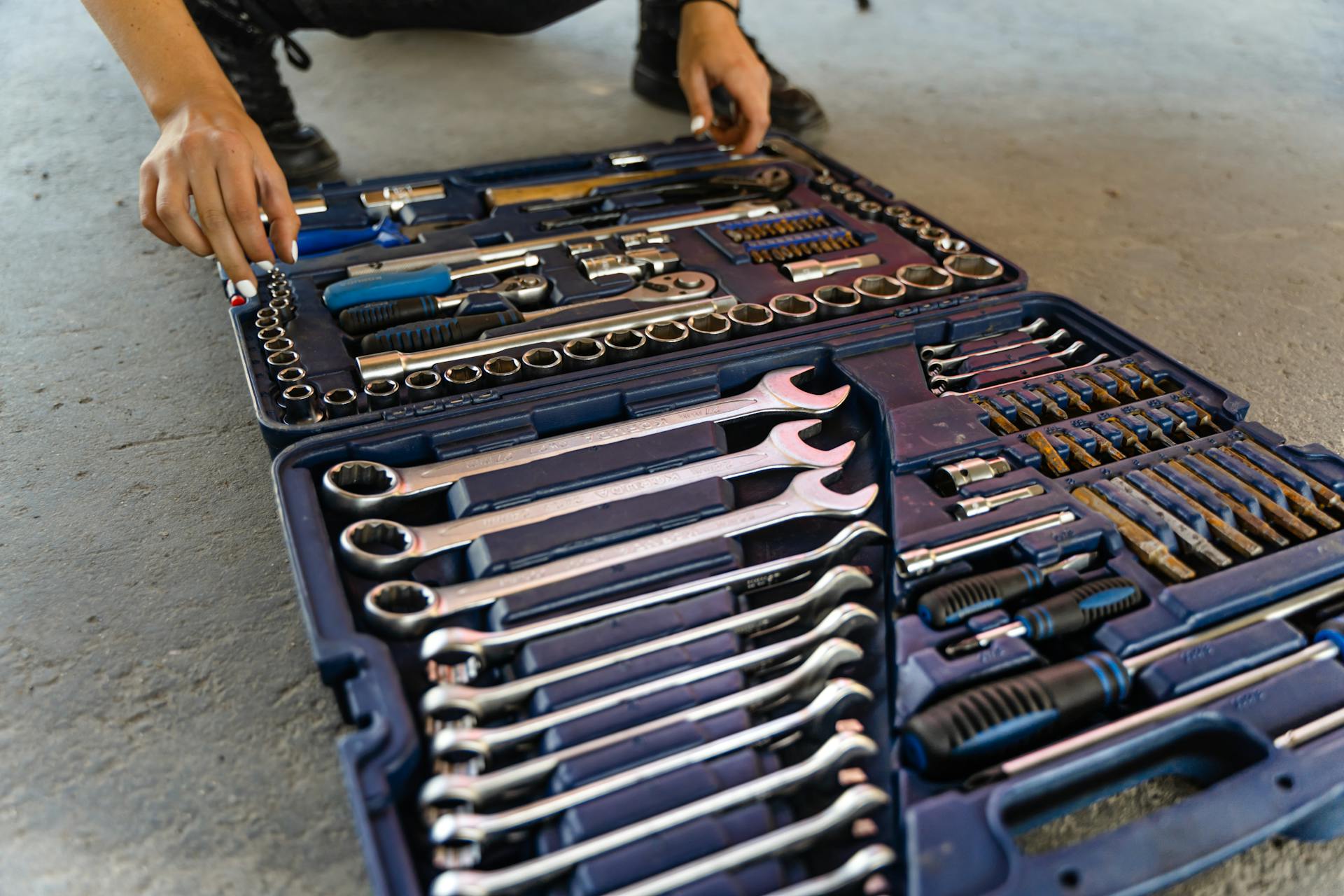
If a technician has told you that your backflow preventer needs a ‘rebuild kit’ — or if you’ve seen this term on a repair estimate — you may be wondering what it means, what’s actually involved, and whether it’s really necessary. A rebuild kit service is one of the most cost-effective maintenance procedures available for a backflow preventer, and understanding what it involves will help you make informed decisions about your device’s maintenance. This guide explains everything.
For context on when a rebuild is the right choice versus a full replacement, see our detailed analysis in our guide on repair or replace your backflow preventer.
What Is a Rebuild Kit?
A rebuild kit (also called a repair kit or service kit) is a set of replacement internal components manufactured specifically for a particular backflow preventer model. These kits contain all the rubber wear parts — diaphragms, O-rings, check discs, seals — along with springs and sometimes other mechanical components that degrade with normal use over time.
Rebuild kits are manufactured by the original device manufacturer (Watts, Febco, Zurn Wilkins, Ames, Apollo, Conbraco, etc.) specifically for each model and size of device. Using manufacturer-supplied kits is important: aftermarket or substitute parts may not match the precise tolerances needed for the device to pass its certification test.
Why Are Rebuild Kits Needed?
The internal components of a backflow preventer are made of rubber and elastomer compounds that degrade over time through contact with water, temperature cycling, UV exposure (for outdoor units), and the mechanical stress of repeated operation. The key degradation processes include:
Rubber hardening: Rubber components harden and become less flexible over time, preventing check valve discs from seating fully against their seats and creating minute leakage paths that cause failed test readings
Rubber cracking: Temperature cycling accelerates micro-cracking in rubber parts, eventually creating structural failures in diaphragms and O-rings
Spring fatigue: Metal springs lose their calibrated tension through repeated compression, resulting in check valve differentials that fall below the required minimum
Mineral scale buildup: Hard water deposits accumulate on valve seats and disc surfaces, preventing complete closure and causing low differential readings
Corrosion of small components: Small metal parts inside the assembly can develop corrosion that affects their operation
What Does a Rebuild Involve? Step by Step
The technician shuts off the inlet valve to isolate the assembly from water pressure
The assembly is carefully disassembled — check valve covers are removed, internal components are extracted
All internal surfaces are inspected and cleaned — valve seats are checked for damage, scale is removed
All rubber components (O-rings, diaphragms, check discs) are replaced with new parts from the manufacturer’s rebuild kit
Springs are replaced if they show fatigue (measured against specified tension values)
The assembly is carefully reassembled to manufacturer specifications
The device is retested with differential pressure equipment to confirm all components are now meeting specifications
A passing test report is generated and filed with the appropriate water authority
How Much Does a Rebuild Cost?
Rebuild costs vary by device type, size, and brand. For residential devices (¾-inch to 1-inch): parts plus labor typically runs $125–$250 plus the cost of the retest. For commercial devices (1.5-inch to 4-inch): $250–$800 depending on size and complexity. These costs are significantly less than full replacement in most cases. For current pricing guidance, see our comprehensive backflow preventer installation, testing, and rebuilding costs article.
How Often Is a Rebuild Needed?
There is no fixed mandatory interval for rebuilds in New Jersey — the requirement is for annual testing, and a rebuild is triggered when the device fails its test. However, industry best practice suggests that backflow preventers in typical residential service will need a rebuild every 3 to 7 years based on water quality, environmental conditions, and usage patterns.
Some property owners in hard-water areas of New Jersey may need rebuilds more frequently (every 2–4 years) due to accelerated scale buildup. Properties with very aggressive water chemistry may also see accelerated rubber degradation. Our technicians can advise on the likely maintenance frequency for your specific situation.
South Jersey Backflow: Same-Day Rebuild Service Throughout NJ
South Jersey Backflow carries rebuild kits for all major brands — Watts, Febco, Zurn Wilkins, Ames, Apollo, and Conbraco — in our service vehicles, covering the most common residential and commercial sizes. When your device fails its annual test, we can typically complete the rebuild and retest in the same service visit, getting you back into compliance immediately. We serve all 21 New Jersey counties. backflow repair and rebuild service. contact South Jersey Backflow.
Schedule Your Backflow Service Anywhere in New Jersey
South Jersey Backflow has proudly served residential and commercial customers across all of New Jersey since 2004. Our certified technicians provide annual backflow testing and certification, expert repairs and rebuilds, and protective backflow enclosures — all with transparent pricing, complete paperwork handling, and 24/7 emergency availability. Call (856) 291-6809 or contact us online to get started today.