
FAQ
Can a Backflow Preventer Be Installed Underground in New Jersey?
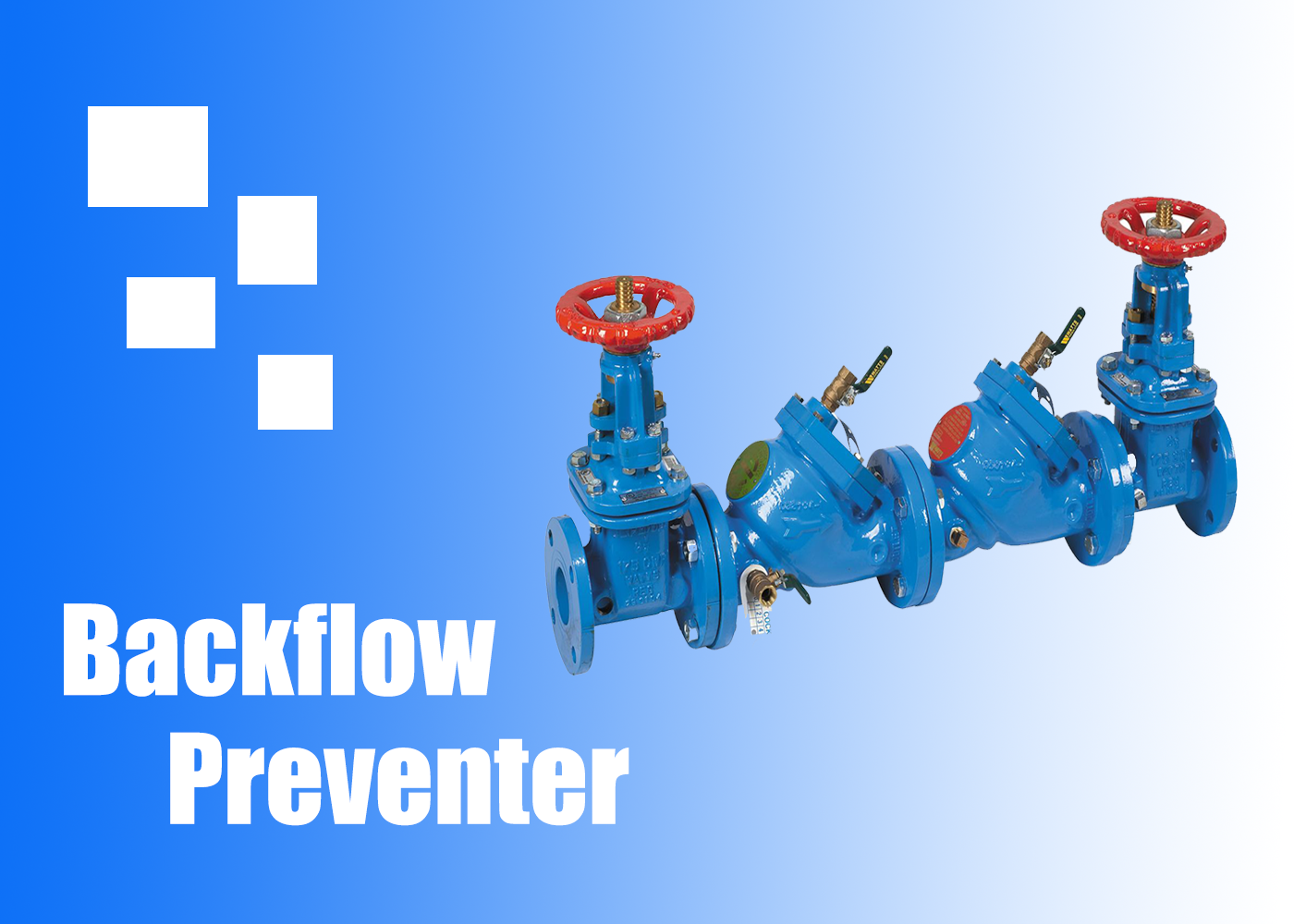
Underground installation is an attractive option for backflow preventers in applications where aesthetics, space constraints, or weather protection are considerations. However, not all backflow preventer types are approved for below-grade installation, and underground installations in New Jersey face specific regulatory requirements regarding accessibility for annual testing. This guide explains what’s allowed, what’s required, and what the practical considerations are.
For device type context, see our guide to types of backflow preventer valves and warning signs.
Which Devices Can Be Installed Underground?
Double Check Valve Assemblies (DCVA): Yes, with Conditions
DCVAs are the device type most commonly installed in underground vaults in New Jersey. The DCVA’s design — horizontal orientation, fully sealed body without above-grade components — makes it compatible with below-grade vault installation. New Jersey regulations and AWWA standards permit underground DCVA installation provided the vault is properly sized, drains adequately, and is accessible for testing.

Double Check Detector Assemblies (DCDA): Yes, Same Conditions as DCVA
DCDAs, used primarily on fire service connections, are also frequently installed in underground vaults under the same conditions as DCVAs.
RPZ Assemblies: Generally NO — Above-Grade Required
RPZ assemblies have a specific installation requirement that makes underground vault installation problematic in most cases: the relief valve discharge port must not be submerged. If the vault floods (which underground vaults in New Jersey sometimes do, particularly in high-water-table areas), the RPZ relief valve discharge port would be submerged — preventing the relief valve from operating as designed and creating a direct contamination pathway. For this reason, New Jersey water authorities and AWWA standards generally prohibit RPZ installation in below-grade vaults unless the vault has a guaranteed positive drainage system that can never allow water to accumulate to the level of the relief valve discharge.
PVBs: No
PVBs must be installed above grade and above the highest outlet in the system — underground installation is not possible while meeting this height requirement.
Requirements for Underground Vault Installations
Vault Sizing
The vault must be large enough to allow a technician to perform the annual certification test from outside the vault — reaching the test cocks with test equipment and operating the shutoff valves without entering a confined space. AWWA standards specify minimum vault dimensions for each device size. For residential ¾-inch to 1-inch DCVAs, a standard round meter vault (typically 10 or 12 inches in diameter) is often sufficient. Larger commercial assemblies require proportionally larger vaults.
Drainage
The vault must drain adequately. A flooded vault creates contamination risk, freezing risk, and makes testing impractical. Drain requirements vary by soil conditions — in well-draining soils, a gravel sump at the vault bottom may be sufficient; in poorly draining soils or high-water-table areas, an active drain connection may be required.
Access Cover
The vault cover must be accessible and openable by the testing technician without specialized equipment. Covers that are blocked by landscaping, paved over, or seized with corrosion create compliance problems. Bolted or locked vault covers must have a means for the testing technician to gain access.
Practical Considerations for Underground Installation in NJ
New Jersey’s high-water-table conditions in many coastal and river valley areas mean that below-grade vaults are prone to flooding. Before specifying an underground installation, a site evaluation should confirm that drainage is adequate. Several documented backflow incidents have involved flooded vaults that compromised device function.
For properties where underground installation is desired but a DCVA doesn’t provide sufficient hazard protection, the appropriate solution is an RPZ installed above grade in an insulated backflow preventer enclosures rather than underground. This provides maximum protection with proper above-grade installation. South Jersey Backflow can assess your site and recommend the optimal installation approach. contact South Jersey Backflow.
Schedule Your Backflow Service Anywhere in New Jersey
South Jersey Backflow has proudly served residential and commercial customers across all of New Jersey since 2004. Our certified technicians provide annual backflow testing and certification, expert repairs and rebuilds, and protective backflow enclosures — all with transparent pricing, complete paperwork handling, and 24/7 emergency availability. Call (856) 291-6809 or contact us online to get started today.