
FAQ
How Long Does a Backflow Preventer Last Before It Needs to Be Replaced?
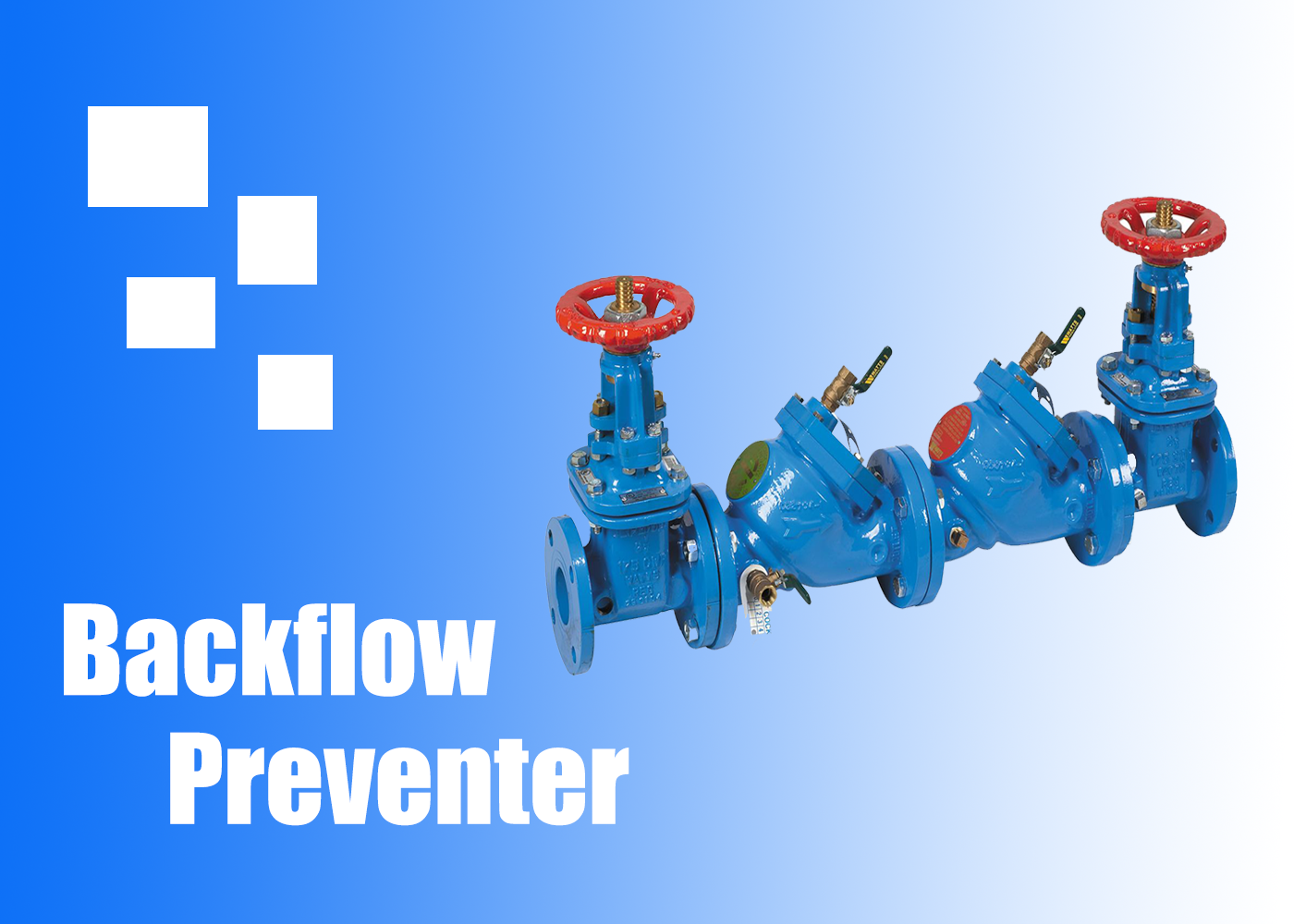
Property owners who are investing in backflow prevention for the first time — or who have discovered an older device on a recently purchased property — naturally want to know: how long will this last? The answer depends on the quality of the device, the environment it’s installed in, how well it’s maintained, and what the water quality in your area is like. This guide gives you a realistic lifespan expectation for each type of backflow preventer, explains the factors that accelerate or slow deterioration, and tells you the signs that replacement is approaching — even before a device fails its annual test.
Typical Lifespan by Device Type
Reduced Pressure Zone (RPZ) Assemblies: 20–50 Years
A properly maintained RPZ assembly from a quality manufacturer (Watts, Febco, Zurn Wilkins, Ames) can last 20 to 50 years. The body — made from bronze, brass, or ductile iron — is the most durable component and rarely fails on its own in the absence of physical damage or severe corrosion. The internal components (rubber check discs, diaphragms, O-rings, springs) are wear items that must be replaced periodically — typically every 3 to 7 years through a professional rebuild kit service.
This distinction between the body lifespan and the internal component lifespan is the key to understanding backflow preventer economics. You’re not necessarily replacing the entire assembly every decade — you’re replacing the internal wear parts while the body continues to serve. See our guide on repair or replace your backflow preventer for how to evaluate when a full replacement versus a rebuild makes more sense.

Double Check Valve Assemblies (DCVA): 15–40 Years
DCVAs have a similar lifespan to RPZs but are slightly more susceptible to internal deterioration due to the nature of their check valve design. With regular annual testing and periodic rebuilds, a quality DCVA can provide 15 to 40 years of reliable service. As with RPZs, the body is durable while the internal rubber components require periodic replacement.
Pressure Vacuum Breakers (PVB): 10–30 Years
PVBs are exposed to the elements in most residential installations (typically mounted outdoors on an irrigation system riser), which significantly affects their lifespan. A PVB that is properly protected with an insulated enclosure, winterized annually by draining before freeze events, and maintained through regular testing can last 15 to 30 years. Unprotected outdoor PVBs in New Jersey’s climate — subjected to freeze-thaw cycles — may fail in 5 to 10 years, particularly the air inlet bonnet, which cracks under freeze stress.
Atmospheric Vacuum Breakers (AVB): 5–20 Years
AVBs are the simplest devices and also the shortest-lived. The air inlet assembly contains a rubber or plastic check element that deteriorates with UV exposure, temperature cycling, and continuous water contact. Most AVBs need replacement or rebuilding every 5 to 10 years under normal conditions, and sooner if they’re in harsh outdoor environments.
Factors That Affect How Long a Backflow Preventer Lasts
Water Quality
The chemistry of your water supply is one of the strongest determinants of how long internal components last. Hard water (high in calcium and magnesium) leaves mineral scale on check valve seats and diaphragms, interfering with the valve’s ability to seal completely. Aggressive water (low pH, high chlorine, or high dissolved oxygen) accelerates corrosion of metal body components and degrades rubber parts more quickly. New Jersey’s water quality varies significantly by region, and properties in areas with hard or aggressive water may see shorter internal component lifespans.
Installation Environment
Outdoor installations in New Jersey’s climate face a significant environmental challenge: freeze-thaw cycling. Water expands approximately 9% when it freezes, and any device retaining water during a freeze event is at risk of cracking. A single hard freeze can shatter the bonnet of a PVB or crack the body of an RPZ. This is why backflow preventer enclosures are so important for outdoor installations — they dramatically extend device lifespan by preventing freeze damage.
Maintenance History
A backflow preventer that is tested annually and rebuilt when internal components show wear will last dramatically longer than one that is ignored until it fails catastrophically. Annual testing catches small problems — a slightly weakened spring, a beginning-to-crack O-ring — before they cascade into body damage or complete failure. Think of it like oil changes for your car: the cost of the maintenance is trivial compared to the cost of the damage that accumulates without it.
Device Brand and Material Quality
Not all backflow preventers are created equal. Devices from established manufacturers like Watts, Febco, Zurn Wilkins, Ames, Apollo, and Conbraco are engineered to exacting tolerances and use materials specified for long-term water contact. Off-brand or lower-quality devices may use inferior rubber compounds that degrade faster, brass alloys more susceptible to dezincification, or body castings with thinner walls that crack under pressure stress.
Traffic, Vibration, and Physical Stress
Devices installed in high-traffic areas — underground vaults subject to vehicle loads, or assemblies near mechanical equipment that causes vibration — experience accelerated wear from physical stress. Body cracks, loose fittings, and damaged test cocks are more common in installations with significant mechanical stress.
Signs That Replacement Is Approaching
Increasingly frequent rebuild needs: If a device needs internal component replacement every year or two rather than every five years, it’s a sign the body conditions (corrosion, scale buildup, internal wear) are accelerating component deterioration
Visible corrosion or pitting on the body: Surface oxidation is normal, but deep pitting, flaking, or structural thinning of the body casting indicates compromised structural integrity
Leaking from body seams or fittings: Persistent leaks that can’t be resolved by tightening or gasket replacement may indicate a body crack or casting defect
Difficulty operating shutoff valves: Severely corroded or seized shutoff valves that cannot be turned may indicate the entire assembly has deteriorated beyond serviceable condition
Failed test after recent rebuild: If a device fails its annual test shortly after being rebuilt with new internal components, the body conditions are likely causing the new parts to fail prematurely
Physical damage: Any device that has sustained physical damage — impact from a vehicle or landscaping equipment, freeze damage, or pipe stress — should be evaluated for replacement regardless of age
The Economics of Replacement vs. Extended Maintenance
The decision of when to replace a still-functioning but aging device is fundamentally economic. Our repair or replace your backflow preventer guide provides a detailed framework for this analysis. As a general rule: if the annual maintenance cost (annual test plus rebuild frequency) exceeds 20–30% of the cost of a new installed device, replacement is worth considering. For large commercial RPZ assemblies, this threshold is less likely to be reached because replacement is so expensive. For small residential PVBs, replacement is sometimes the more economical choice even relatively early in the device’s life.
For current pricing guidance on both testing and replacement, see our comprehensive guide to backflow preventer installation, testing, and rebuilding costs.
Extending Your Device's Life: Best Practices for NJ Property Owners
- Winterize outdoor devices annually — drain down PVBs and protect RPZs with insulated enclosures before temperatures drop below freezing
- Schedule annual certification testing consistently — don’t let multiple years lapse between tests
- Address minor leaks and operational issues promptly — small problems become expensive ones quickly
- Use manufacturer-approved rebuild kits — aftermarket parts may not provide the same longevity
- Install a protective enclosure if your device is outdoors and unprotected
South Jersey Backflow provides annual testing, rebuild services, and replacement installations throughout all of New Jersey. Our technicians will always give you an honest assessment of your device’s condition and remaining service life. contact South Jersey Backflow for a professional evaluation.
Schedule Your Backflow Service Anywhere in New Jersey
South Jersey Backflow has proudly served residential and commercial customers across all of New Jersey since 2004. Our certified technicians provide annual backflow testing and certification, expert repairs and rebuilds, and protective backflow enclosures — all with transparent pricing, complete paperwork handling, and 24/7 emergency availability. Call (856) 291-6809 or contact us online to get started today.