
FAQ
What Is a Backflow Preventer Enclosure and Do I Need One in New Jersey?
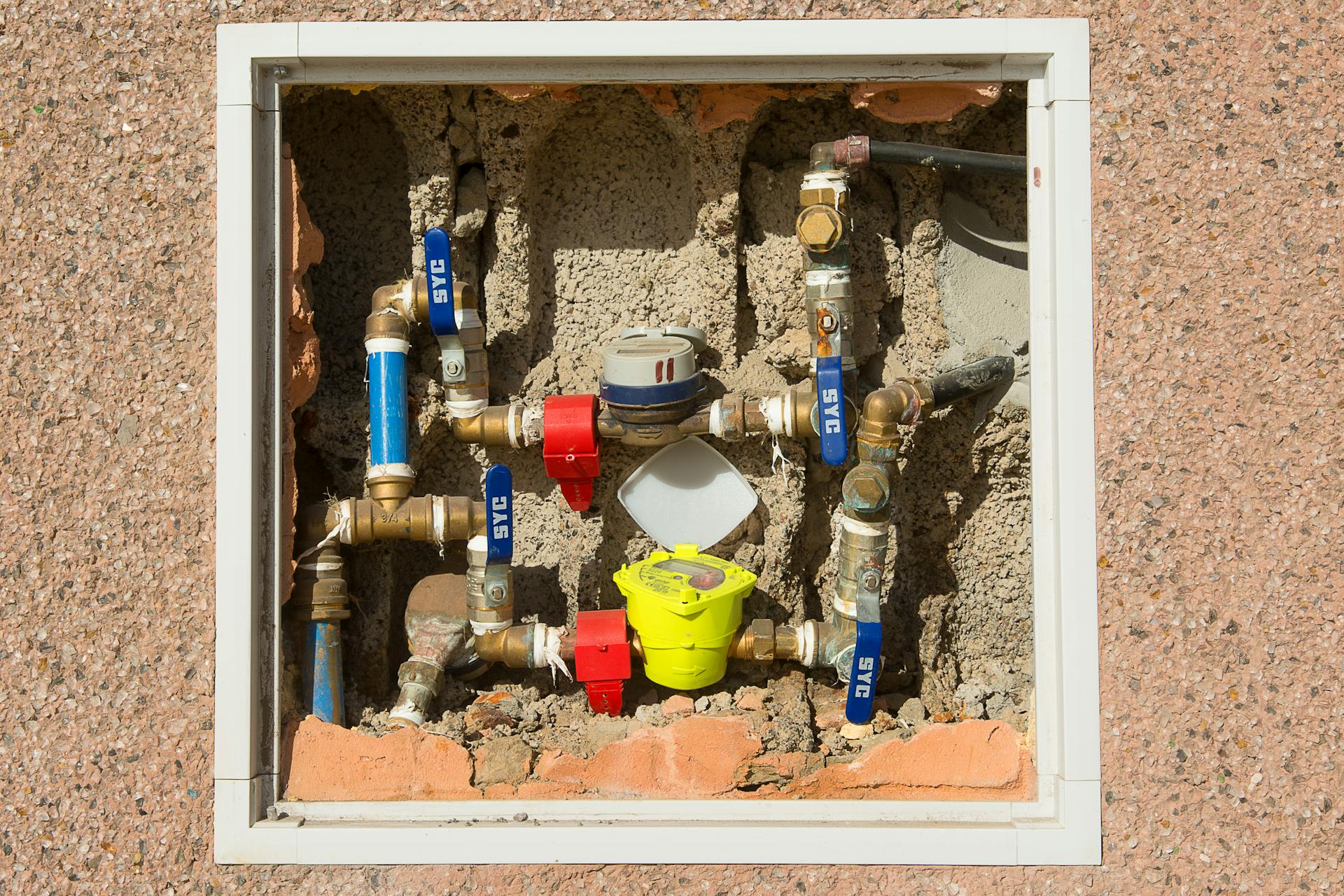
In New Jersey’s climate, outdoor backflow preventers face a significant and predictable threat every winter: freezing temperatures. A backflow preventer enclosure — also called a backflow cabinet, freeze protection cabinet, or thermal protection enclosure — is a specially designed housing that shields an outdoor backflow device from cold temperatures, physical damage, and vandalism. This guide explains what these enclosures are, what types are available, and whether your New Jersey property needs one.
For more on how freeze damage affects backflow preventers, see our guide to how to winterize your backflow preventer in New Jersey.
What Is a Backflow Preventer Enclosure?
A backflow preventer enclosure is a cabinet or housing specifically designed to surround an outdoor backflow prevention device. Unlike a general utility cabinet, a proper backflow enclosure is engineered for this specific application: it provides thermal insulation to protect the device from freezing temperatures, allows access for annual testing without requiring enclosure removal, accommodates the specific dimensions of the device (including clearance around test cocks and shutoff valves), and provides ventilation to prevent condensation buildup that can accelerate corrosion.
Types of Backflow Preventer Enclosures
Insulated Fiberglass Enclosures
Fiberglass enclosures are the most widely used type for residential and light commercial installations in New Jersey. They are lightweight, corrosion-resistant, and provide good thermal insulation through either foam fill or dual-wall construction. Most fiberglass enclosures include a hinged door for access and are available in sizes to fit ¾-inch through 3-inch assemblies. Fiberglass does not conduct heat away from the enclosed device the way metal does, making it an efficient thermal enclosure.

Heated Enclosures
For northern New Jersey locations where temperatures regularly drop into the single digits, or for enclosures in particularly exposed or shaded locations, a heated enclosure — incorporating a thermostatically controlled heating element — provides a higher level of protection. The heating element activates when the internal temperature approaches freezing, maintaining the enclosed space above 40°F regardless of external temperature. Heated enclosures require an electrical connection.
Concrete and Masonry Enclosures
For larger commercial installations, some property owners and designers opt for masonry enclosures or custom-built concrete vaults. These provide excellent physical security and can be insulated to any required thermal specification, but require more significant construction investment and are not typical for residential applications.
Pre-Fabricated Aluminum Enclosures
Powder-coated aluminum enclosures offer durability and a professional appearance and are popular for commercial applications where aesthetics matter. Aluminum enclosures typically require an insulated liner to provide adequate thermal protection in New Jersey’s climate.
Do You Need an Enclosure in New Jersey?
For most outdoor backflow preventers in New Jersey, a protective enclosure is strongly recommended — and in some cases is effectively required by the practical necessity of keeping the device functional through winter.
Outdoor RPZ assemblies: Strongly recommended. RPZ assemblies cannot be easily drained for winterization while maintaining fire suppression system pressure, so thermal enclosure protection is the only practical winter protection option.
Outdoor PVBs: Optional if the property owner commits to proper annual drain-down winterization. However, an enclosure eliminates the need for seasonal drain-down and prevents damage from accidental late-season freeze events before winterization can be completed.
Outdoor DCVAs: Recommended for above-grade installations exposed to weather. Below-grade vault installations are generally protected by soil temperature.
Benefits Beyond Freeze Protection
Physical damage prevention: An enclosure protects the device from accidental impact by lawn equipment, landscaping operations, or vehicle contact
UV protection: Prolonged UV exposure degrades rubber components and plastic test cock caps over time; an enclosure blocks UV
Pest deterrence: Rodents and insects can damage exposed wiring (on heated enclosures) and rubber components; an enclosure limits access
Aesthetic improvement: Backflow preventers installed on the exterior wall of a home or in a visible yard location are not attractive; an enclosure provides a clean, professional appearance
South Jersey Backflow Enclosure Installation Service
South Jersey Backflow provides backflow preventer enclosures installation service throughout all of New Jersey. We assess your existing device dimensions, select the appropriate enclosure type and size, and install it in compliance with local code requirements and water authority accessibility standards. We also handle any associated plumbing modifications needed to accommodate the enclosure. contact South Jersey Backflow to schedule an enclosure assessment.
Schedule Your Backflow Service Anywhere in New Jersey
South Jersey Backflow has proudly served residential and commercial customers across all of New Jersey since 2004. Our certified technicians provide annual backflow testing and certification, expert repairs and rebuilds, and protective backflow enclosures — all with transparent pricing, complete paperwork handling, and 24/7 emergency availability. Call (856) 291-6809 or contact us online to get started today.