FAQ
Can I Test My Own Backflow Preventer, or Does It Have to Be a Licensed Professional in NJ?
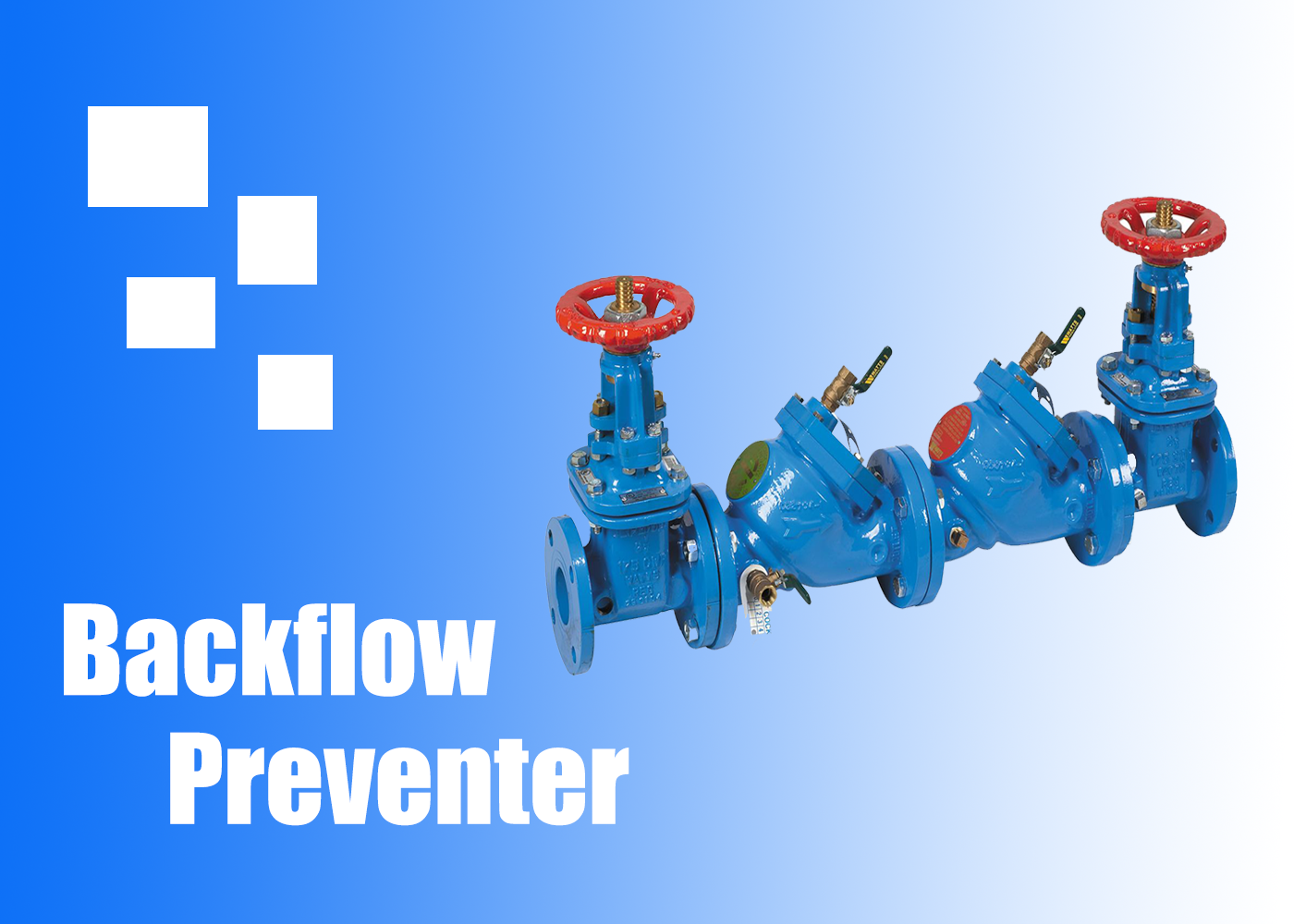
It’s a reasonable question: backflow preventers are mechanical devices, and in an era when homeowners tackle everything from electrical panel replacements to HVAC installations via YouTube tutorials, it’s natural to wonder whether the annual certification test is something you could do yourself. This article gives you the direct answer, explains exactly what’s involved in the process, and explains why the certification requirement — not just the testing — is the piece that DIY can’t satisfy.
The Short Answer: No — DIY Testing Cannot Satisfy NJ Compliance
Under New Jersey’s N.J.A.C. 7:14B regulations, a backflow preventer test report submitted to a water authority must be completed and signed by a state-certified backflow prevention tester. A homeowner — regardless of their plumbing knowledge, the quality of the equipment they use, or the accuracy of their readings — cannot self-certify their own backflow preventer test in New Jersey. A test report not signed by a licensed professional will not be accepted by NJ American Water, any local MUA, or any municipal water department. See our complete guide on how often backflow preventers must be tested in New Jersey for the full legal framework.
What Does a Proper Backflow Test Require?
Calibrated Test Equipment
A certified backflow test requires a differential pressure test kit — a precision assembly of pressure gauges, valves, and hose connections designed specifically for backflow testing. These kits must be calibrated and traceable to NIST (National Institute of Standards and Technology) standards. A tester’s calibration records must be available for inspection by water authorities. Consumer-grade or improvised pressure gauges do not meet this standard.
Training and Knowledge of Test Procedures
Performing a proper backflow test involves following specific test sequences for each device type (PVB, DCVA, RPZ), reading pressure differentials at specific points in the sequence, interpreting readings correctly, identifying which component has failed when readings are outside specifications, and knowing how to restore the device to proper operating condition after the test. This procedural knowledge is acquired through formal certification training.
State Certification
New Jersey requires backflow testers to be certified by an approved certifying organization and to maintain their certification through continuing education and periodic recertification. Certification programs typically involve classroom instruction, hands-on training on actual backflow devices, and a written and practical examination.
An Official Test Report in the Required Format
The test report must be completed in the format required by the receiving water authority, include the tester’s certification number and signature, and be submitted through the appropriate channel. Water authorities verify the tester’s certification number against state records before accepting the report.
Why Property Owners Sometimes Ask About DIY Testing
The desire to test one’s own device often comes from one of three places: curiosity about how the device works, frustration with the cost of annual testing, or difficulty finding a reliable certified tester in their area. All three are understandable — but none justifies the risks of attempting to substitute a DIY process for a certified annual test.
Regarding cost: our guide to backflow preventer installation, testing, and rebuilding costs shows that annual testing typically costs $150–$250 for residential devices. Spread over 12 months, this is $12–$21 per month — a modest investment for legally mandated protection. Regarding tester availability: South Jersey Backflow serves all 21 New Jersey counties and can schedule most residential tests within 48–72 hours. contact South Jersey Backflow.
What Can a Property Owner Do Themselves?
While the certification test requires a licensed professional, there are several things property owners can and should do themselves as part of responsible maintenance:
Visual inspection: Check for visible leaks, corrosion, or physical damage on a regular basis
Shutoff valve operation: Periodically operate the inlet and outlet shutoff valves (turn fully off, then back on) to ensure they don’t seize up between annual tests
Relief valve port check: On RPZ assemblies, visually check the relief valve discharge port for continuous dripping or flow, which indicates a service need
Winterization: Draining PVBs before freeze events in New Jersey winters is something homeowners can do themselves — essential for preventing freeze damage
Recordkeeping: Maintaining a file with annual test reports, compliance notices, and service records
A Word on General Plumbers vs. Certified Backflow Specialists
Not every licensed plumber in New Jersey is certified to test backflow preventers. A plumbing license and a backflow tester certification are separate credentials. Hiring a general plumber who is not backflow-certified to ‘test’ your device may result in a defective or unacceptable test report that your water authority won’t accept. South Jersey Backflow is a dedicated backflow prevention specialist — every technician who performs testing carries current backflow tester certification. Our professional backflow testing and certification service service is specifically designed to satisfy New Jersey’s legal requirements completely.
Schedule Your Backflow Service Anywhere in New Jersey
South Jersey Backflow has proudly served residential and commercial customers across all of New Jersey since 2004. Our certified technicians provide annual backflow testing and certification, expert repairs and rebuilds, and protective backflow enclosures — all with transparent pricing, complete paperwork handling, and 24/7 emergency availability. Call (856) 291-6809 or contact us online to get started today.