FAQ
What Is the Difference Between a Backflow Test and a Backflow Inspection?
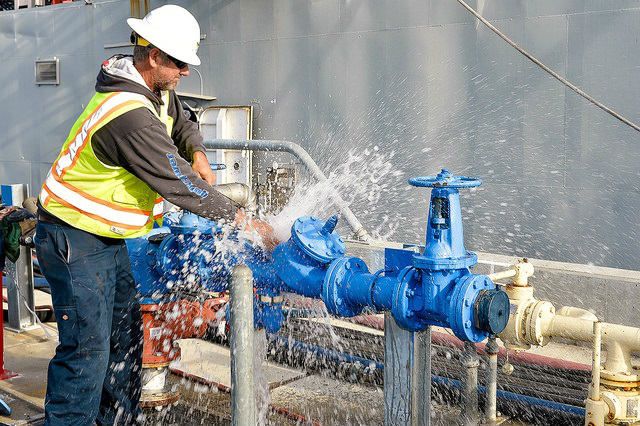
Property owners and managers throughout New Jersey frequently use the terms ‘backflow test’ and ‘backflow inspection’ interchangeably — but in the regulatory context, these are two distinct activities with different purposes, different requirements, and different outcomes. Confusing the two can lead to a false sense of compliance: a property owner who had their device ‘inspected’ by a general plumber during a service call may not realize that they still need a certified annual test to satisfy their legal obligation. This article clears up the confusion.
For the full legal framework behind testing requirements, see our guide on whether backflow testing is legally required in New Jersey.
What Is a Backflow Inspection?
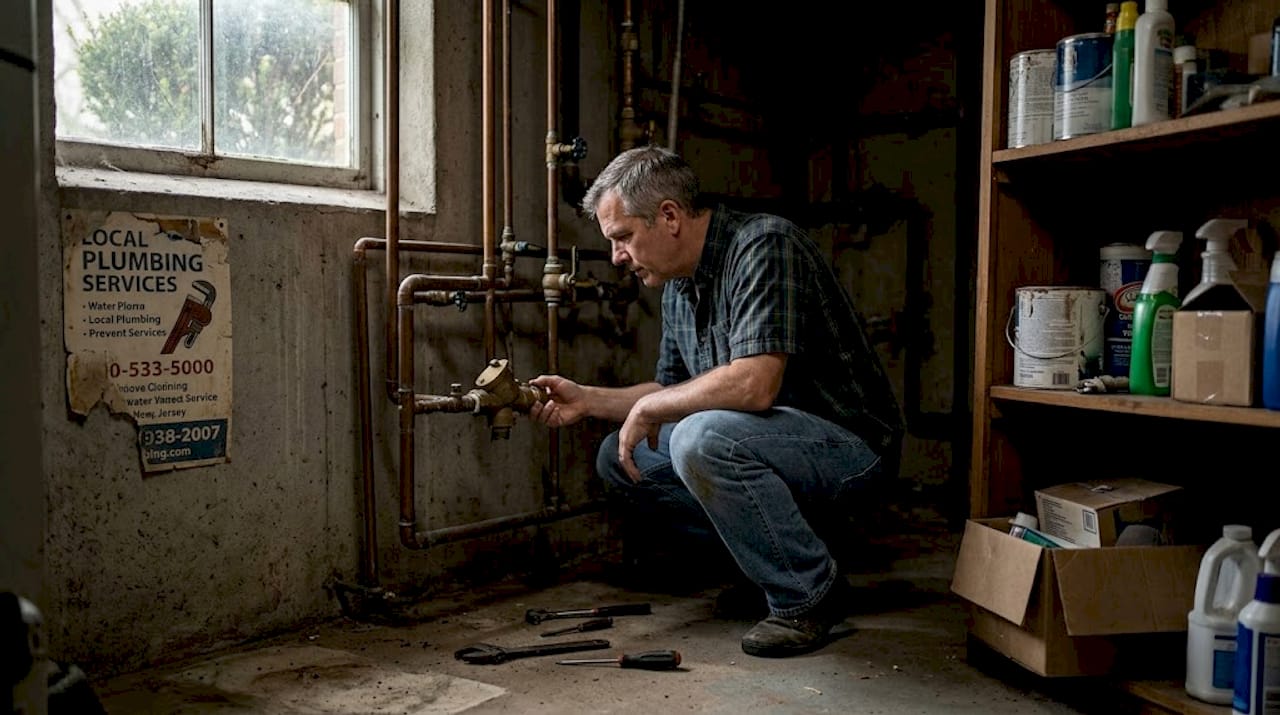
A backflow inspection is a visual and operational assessment of a backflow prevention device and its installation. During an inspection, a technician or plumber examines the device for visible signs of problems: external corrosion, physical damage, leaks at joints or test cocks, proper mounting and orientation, adequate clearance around the assembly, and accessibility for testing. The technician may also manually operate the shutoff valves to confirm they move freely.
An inspection does not involve connecting any test equipment, measuring differential pressure across the check valves, or generating any official test report. It is a qualitative visual assessment, not a quantitative performance measurement. An inspection can identify obvious problems — a cracked body, a leaking relief valve, a seized shutoff valve — but it cannot confirm that the check valves are holding the required differential pressure.
What Is a Backflow Test (Certification Test)?
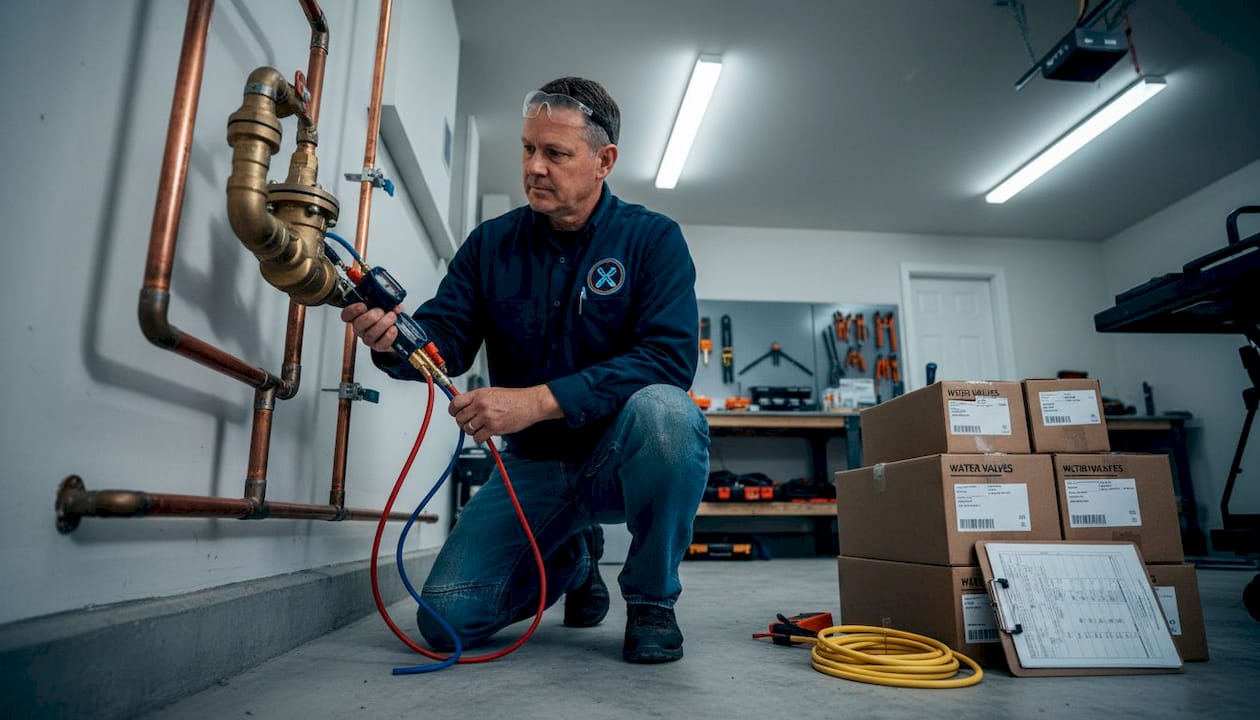
A backflow certification test — more precisely called a differential pressure test — is a quantitative performance measurement conducted using calibrated test equipment (a differential pressure test kit) connected to the test cock ports on the assembly. The test measures the actual pressure differential across each check valve and (for RPZ assemblies) across the relief valve under controlled conditions.
The results are compared to the manufacturer’s specifications and regulatory standards to determine whether each component is performing within the required tolerances. A passing test generates an official test report that is signed by the certified tester, submitted to the water authority, and filed on the property’s compliance record. A failing test identifies which specific component failed to meet specifications and requires repair.
Key Differences Side by Side
Equipment required — Inspection: None (visual only). Test: Calibrated differential pressure test kit.
What it measures — Inspection: Visual condition and obvious defects. Test: Actual performance of check valves and relief valve under pressure.
Who can do it — Inspection: Any licensed plumber or knowledgeable person. Test: State-certified backflow tester only.
Output — Inspection: Verbal or written condition report. Test: Official certified test report filed with water authority.
Satisfies NJ legal requirement — Inspection: No. Test: Yes.
Frequency required — Inspection: No set requirement. Test: Annually under N.J.A.C. 7:14B.
Why Inspections Alone Are Insufficient
The limitation of inspections alone is fundamental: the most important failure modes for a backflow preventer are internal and invisible. A check valve spring that has weakened to the point that it no longer holds the required differential pressure looks exactly the same as a new, fully functional spring from the outside. A rubber check disc that has hardened and cracked on its seating surface — preventing a complete seal — is not visible without disassembly. A relief valve seat that has developed a fine imperfection allowing slow discharge is not detectable without pressure testing.
These invisible failures are precisely what makes a backflow device unable to prevent backflow — and precisely what the annual certified test is designed to detect. A property owner whose device has been ‘looked at’ but not tested may have a false sense of security while their device is actually non-functional. The how often backflow preventers must be tested in New Jersey requirement exists for exactly this reason.
When Is an Inspection Appropriate?
While an inspection alone doesn’t satisfy the annual certification requirement, visual inspections are valuable as part of a regular maintenance routine. An interim inspection between annual tests is appropriate when:
You notice visible water leaking from the device
You observe the relief valve discharging continuously on an RPZ assembly
You notice reduced water pressure at downstream fixtures
After a freeze event, to check for physical damage before the system is put back in service
After any physical disturbance (nearby excavation, vehicle impact, landscaping work near the device)
If any of these interim inspections reveal a concern, schedule backflow repair and rebuild service promptly. Don’t wait until the next annual test.
What Makes a Test 'Certified'?
Three elements make an annual test legally valid in New Jersey: it must be performed by a state-certified backflow prevention tester, using calibrated differential pressure test equipment that has itself been tested and certified for accuracy, and the results must be documented on an official test report and submitted to the appropriate water authority. South Jersey Backflow meets all three requirements for every test we perform throughout New Jersey. Our professional backflow testing and certification service service satisfies the legal requirement — not just an inspection.
What to Do If You've Only Had an Inspection
If you’ve been told your backflow device was ‘checked,’ ‘inspected,’ or ‘looked at’ without a differential pressure test being performed and a test report filed, you are not in compliance with New Jersey law. Contact South Jersey Backflow to schedule a proper certified annual test. We serve all 21 New Jersey counties and can typically schedule within 48 to 72 hours. contact South Jersey Backflow.
Schedule Your Backflow Service Anywhere in New Jersey
South Jersey Backflow has proudly served residential and commercial customers across all of New Jersey since 2004. Our certified technicians provide annual backflow testing and certification, expert repairs and rebuilds, and protective backflow enclosures — all with transparent pricing, complete paperwork handling, and 24/7 emergency availability. Call (856) 291-6809 or contact us online to get started today.