
FAQ
What Temperature Damages a Backflow Preventer, and How Do You Protect It in New Jersey?
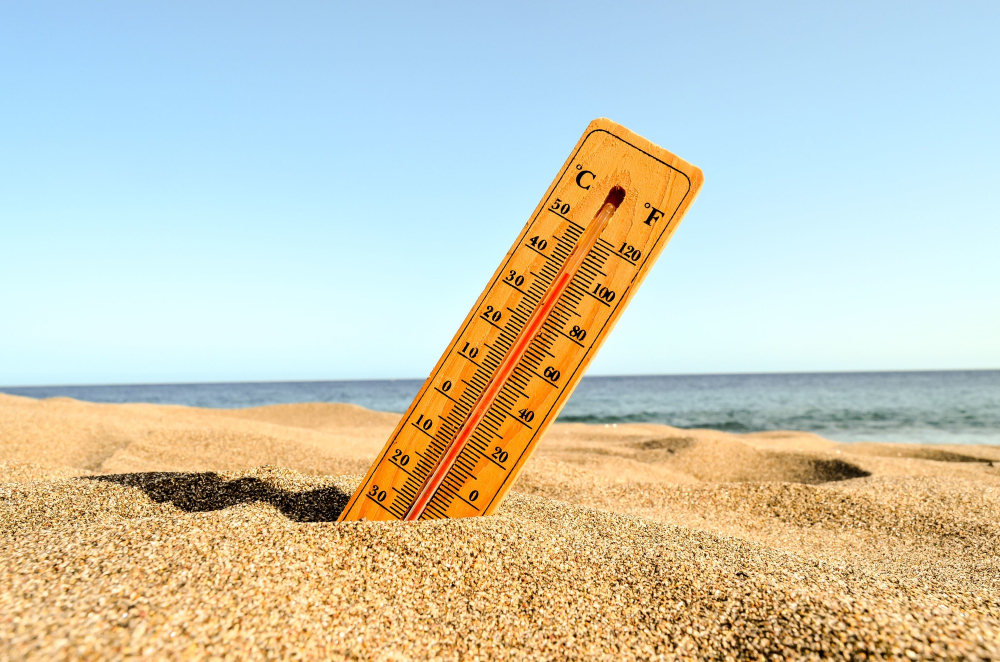
Temperature is the single greatest environmental threat to outdoor backflow preventers in New Jersey. Understanding exactly what temperatures cause damage — and at what rate — helps property owners make smart decisions about when to take protective action and what level of protection is appropriate for their specific installation. This guide gives you the thermal thresholds you need to know, explains the damage mechanisms, and covers the protection options available.
For a step-by-step winterization process, see our guide on how to winterize your backflow preventer in New Jersey. For protection enclosure options, see backflow preventer enclosures.
The Critical Temperature: 32°F (0°C)
The threshold temperature for backflow preventer damage is 32°F — the freezing point of water. However, the relationship between ambient air temperature and device damage is more complex than this simple threshold suggests. Several factors determine whether a specific freeze event will cause damage:
Duration of Freezing Exposure
A brief dip to 28°F for an hour on an exposed outdoor PVB may cause minimal or no damage if the device’s thermal mass keeps the internal water above freezing throughout the event. A sustained period of 20°F for 12+ hours will almost certainly cause damage to an unprotected device. New Jersey’s hardest freeze events — Arctic air outbreaks in January and February — can produce temperatures below 10°F sustained over multiple days. These events will damage any unprotected outdoor backflow preventer that contains water.
Water Content of the Device
A device that has been properly winterized (drained) before freezing temperatures arrive contains no water and therefore cannot be damaged by freezing. A device full of water at the start of a freeze event has maximum freeze risk. Partial drainage — inadequate winterization — can leave pools of water in lower sections of the assembly that will freeze and damage the device even when the main body appears drained.
Wind Chill
Wind chill accelerates the rate of heat loss from an outdoor device. A temperature of 25°F with 20 mph winds presents a greater freeze risk than 25°F with calm air, because the wind removes the thin layer of warmer air surrounding the device more quickly. Backflow preventers in exposed, wind-prone locations — corners of buildings, hilltops, open fields — need more aggressive protection than those in sheltered locations.
Specific Temperature Damage Thresholds by Device Component
PVB bonnet assemblies: Begin to be at risk below 28°F with sustained exposure. Thin plastic bonnet components on older models are particularly vulnerable. Cracking and shattering of the bonnet is the most common residential freeze damage scenario.
Rubber check valve discs and diaphragms: Rubber itself doesn’t freeze, but ice forming in the chambers that contain rubber components creates pressure that tears and cracks the rubber. Risk begins when the internal water temperature reaches 32°F.
Brass and bronze body castings: Solid metal bodies are highly resistant to freeze cracking under typical conditions, but can crack at welded joints or thin sections under extreme freeze stress. This is more common in older or lower-quality devices.
Test cock caps and ports: Small plastic or rubber test cock caps freeze easily and often crack or distort, requiring replacement after hard freeze events even when the main body survives undamaged.
The NJ Freeze Season: When to Act
In New Jersey, the freeze risk period runs roughly from mid-November through mid-March, with the highest risk in December through February. For the purposes of backflow preventer winterization, we recommend completing winterization of all outdoor PVBs by November 1 in northern New Jersey counties (Morris, Sussex, Warren, Bergen, Passaic) and by November 15 in South Jersey.
Spring re-activation should wait until the last frost date has reliably passed in your area — typically late March in South Jersey and mid-April in North Jersey. Activating too early and having a late-season freeze event damage an improperly protected device is a common and preventable mistake.
Heat Damage: Less Common but Real
While cold is the primary thermal threat, extreme heat also affects backflow preventers. Rubber components degrade faster at elevated temperatures. Devices installed in direct, intense sunlight in black or dark enclosures can reach internal temperatures of 140°F or higher on hot summer days — temperatures that accelerate rubber aging and reduce the service life of check discs and O-rings. Light-colored or reflective enclosures, and ventilated enclosure designs, help manage this heat exposure.
South Jersey Backflow: Thermal Protection Solutions Throughout NJ
South Jersey Backflow provides professional backflow preventer enclosures installation for all outdoor backflow preventer types throughout all of New Jersey. We also provide seasonal winterization services for properties where owners prefer professional service over DIY drain-down. Contact us before the first freeze of the season. contact South Jersey Backflow.
Schedule Your Backflow Service Anywhere in New Jersey
South Jersey Backflow has proudly served residential and commercial customers across all of New Jersey since 2004. Our certified technicians provide annual backflow testing and certification, expert repairs and rebuilds, and protective backflow enclosures — all with transparent pricing, complete paperwork handling, and 24/7 emergency availability. Call (856) 291-6809 or contact us online to get started today.